The adoption of commercial energy storage systems is reshaping the landscape of electricity consumption. Studies indicate that businesses can save up to 50% on their energy bills by integrating energy storage solutions. This rapid shift highlights the importance of understanding how commercial energy storage reduces electricity costs.
The U.S. Department of Energy reports that energy storage can mitigate spikes in demand, which are typically the most expensive times to draw power. Furthermore, it allows firms to utilize off-peak rates, significantly decreasing overall spending. Yet, some firms remain hesitant, not fully aware of the technology's potential benefits.
Many industries are now experiencing the advantages firsthand. For instance, a recent case study showed a large retail chain saving nearly $1 million annually through strategic energy storage implementation. Despite the clear financial benefits, some companies still overlook these systems. Embracing energy storage remains a key opportunity for cost reduction in today's competitive market.
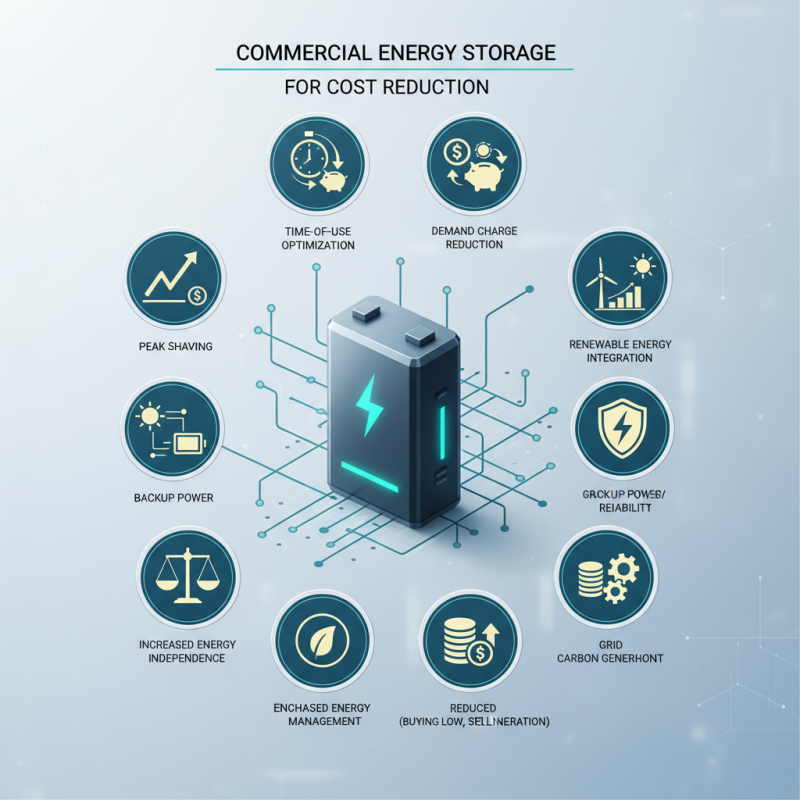
The Role of Commercial Energy Storage in Peak Demand Management
Commercial energy storage plays a vital role in managing peak demand.
Businesses often face spikes in energy usage, resulting in higher electricity costs.
By utilizing energy storage, companies can store energy during off-peak hours when rates are lower.
This stored energy can then be used during peak periods, effectively reducing their overall consumption costs.
Implementing energy storage systems helps in balancing energy loads.
During peak demand, excess draw on the grid can lead to inflated prices.
Thus, having an on-site energy storage solution allows businesses to reduce reliance on these costly grid fluctuations.
Additionally, it can enhance grid stability.
However, the initial investment can be daunting for many.
Companies should evaluate their energy consumption patterns closely to ascertain the best fit for their operations.
There are potential challenges in adopting these systems.
Technical limitations, maintenance requirements, and upfront costs may deter some businesses.
Yet, the long-term savings can make it worthwhile.
Energy storage is not a one-size-fits-all solution.
Each business must assess its unique energy needs and how much they stand to save.
Balancing these factors is critical for maximizing efficiency and lowering costs.
Cost Reduction through Time-of-Use Rate Optimization with Energy Storage
Time-of-use rate optimization can significantly lower electricity costs for commercial enterprises. By strategically using energy storage during peak and off-peak hours, businesses can capitalize on lower rates. This tactic involves charging the energy storage system when electricity prices are low and discharging it during high-price windows. The result? Reduced energy bills and improved energy efficiency.
Implementing this strategy does have its challenges. Businesses must analyze historical electricity usage patterns to effectively identify peak times. This may require an investment in energy management systems, which can be costly initially. However, the long-term savings often justify the upfront costs. Companies need accurate data to determine how much energy to store and when to release it, ensuring that savings are maximized.
Additionally, the capacity of energy storage systems needs consideration. Not every installation will fit every business size or usage pattern. Some might find that their storage capacity limits hinder optimal savings. A clear understanding of both energy patterns and storage capabilities is essential for success. Commercial energy storage is promising but requires careful planning and analysis for full benefits.
Impact of Energy Storage on Grid Stability and Reduced Outage Costs
Energy storage systems play a crucial role in enhancing grid stability and reducing outage costs. According to the U.S. Department of Energy, energy storage can improve grid resilience by up to 30%. When implemented effectively, it not only balances supply and demand but also provides backup power during outages. This reliability reduces the economic impact of outages, which cost U.S. businesses approximately $150 billion annually.
The use of commercial energy storage is pivotal during peak demand periods. Data from the Electric Power Research Institute indicates that these systems can cut electricity costs by up to 40%. When energy demand surges, stored energy can be dispatched quickly, minimizing the need for expensive peaker plants. This approach lowers the overall electricity prices for consumers.
Moreover, energy storage facilitates the integration of renewable energy sources into the grid. With a significant rise in solar and wind installations, managing their intermittency is essential. Studies show that energy storage can increase the efficiency of incorporating renewables by at least 20%. However, significant challenges remain. The initial investment for storage systems can be high, and not all facilities have the space or infrastructure to support them. The progress in this sector is promising, but reflection on these challenges is essential for future advancements.
Top 10 Ways Commercial Energy Storage Lowers Electricity Costs
| Method |
Description |
Cost Savings ($/kWh) |
Impact on Grid Stability |
| Peak Shaving |
Reduces demand charges by lowering peak electricity consumption. |
$0.15 |
Enhances grid reliability |
| Load Shifting |
Stores energy during low demand and releases it during high demand. |
$0.10 |
Balances load variations |
| Demand Response |
Participates in demand response programs to earn incentives. |
$0.12 |
Increases grid flexibility |
| Renewable Integration |
Stores excess energy from renewable sources for later use. |
$0.08 |
Supports a stable energy transition |
| Voltage Support |
Provides reactive power support to maintain voltage levels. |
$0.09 |
Stabilizes grid voltage |
| Frequency Regulation |
Balances supply and demand in real-time to maintain frequency. |
$0.11 |
Enhances grid resilience |
| Outage Mitigation |
Provides backup power during outages, minimizing losses. |
$0.20 |
Increases reliability during crises |
| Reduced Ancillary Services |
Cuts costs associated with ancillary services needed for grid stability. |
$0.14 |
Improves overall system efficiency |
| Enhanced Energy Security |
Reduces reliance on external energy suppliers, lowering vulnerability. |
$0.17 |
Increases energy independence |
Integration of Renewable Energy Sources and Lowering Electricity Rates
The integration of renewable energy sources can significantly reduce electricity costs for commercial energy users. By capturing excess energy generated during peak times, businesses can store it for later use. This reduces reliance on the grid, especially during high-demand hours. With the right energy storage systems, companies can take advantage of lower rates during off-peak periods.
Employing energy storage isn't without challenges. Initial investments can be high, and ongoing maintenance is necessary. Companies must evaluate their long-term energy needs and storage system capacities. Additionally, fluctuations in energy prices can complicate savings. Not all systems are compatible with every renewable source. Professionals in the field must continuously analyze market trends.
As the push for green energy intensifies, industries must adapt. Balancing short-term costs with long-term savings requires careful planning. A successful integration strategy not only lowers costs but also enhances a company’s sustainability profile. Energy storage brings both opportunities and complexities to the forefront of energy management.
Long-term Financial Benefits of Energy Storage Investments for Businesses
Energy storage systems offer significant long-term financial benefits for businesses. One way they achieve this is by allowing companies to shift energy usage. During peak pricing times, stored energy can be used instead of buying costly electricity from the grid. This can lead to substantial savings on monthly energy bills.
Investing in energy storage also helps mitigate risk. Electricity prices can fluctuate wildly. Businesses can insulate themselves from these spikes by relying on stored energy. As a result, they create more predictable budgets. This stability is crucial for long-term financial planning.
When considering energy storage, think about your local energy market. Each region has unique rates and incentives. Research these aspects carefully. Consultation with energy experts can provide valuable insights. Explore different storage options that best fit your energy needs. Balancing initial costs with potential savings is essential. A well-informed decision is vital for maximizing investment returns.
Conclusion
Commercial energy storage plays a pivotal role in reducing electricity costs by effectively managing peak demand. By storing energy during off-peak hours and discharging it during peak usage times, businesses can optimize their energy consumption, leading to significant cost savings. Additionally, energy storage systems allow for time-of-use rate optimization, enabling companies to take advantage of lower rates when energy demand is down.
Furthermore, integrating energy storage with renewable energy sources enhances the overall efficiency and reliability of the grid, contributing to reduced outage costs. The long-term financial benefits of investing in energy storage are substantial, as businesses not only achieve lower electricity rates but also bolster their sustainability efforts. In summary, understanding how commercial energy storage reduces electricity costs enables businesses to strategically plan their energy management and capitalize on the advantages of modern energy solutions.

 HK Charger