China’s rapidly expanding power system faces a difficult question: How energy storage can prevent blackouts. The answer involves more than placing batteries beside solar farms. It requires coordinated planning, accurate forecasting, and disciplined grid operations. During a summer evening, air conditioners can push electricity demand sharply higher. A storage system can respond within seconds. It may discharge power when transmission lines become strained. Later, it can recharge when wind or solar generation increases. This flexibility helps balance supply and demand.
China’s energy storage market includes lithium-ion batteries, pumped hydro, and other developing technologies. Each option serves a different grid need. Batteries can support local substations and stabilize frequency. Pumped hydro can provide longer-duration backup for regional networks. Operators must monitor temperature, battery health, state of charge, and reserve margins. These practical details determine whether storage performs reliably during an emergency. Utility data, engineering studies, and grid operating experience should guide investment decisions. Strong results depend on evidence, not promotional claims.
Storage is not magic. A battery cannot solve every shortage or transmission failure. Its performance depends on capacity, duration, weather, maintenance, and connection quality. Fire protection, recycling, and responsible site management also require continuous attention. Some projects may be oversized, poorly located, or unable to discharge during extended disruptions. That possibility deserves honest discussion. The strongest approach combines storage with flexible generation, stronger transmission, demand response, and clear safety standards. With careful design, China’s best energy storage projects can reduce blackout risks and make renewable electricity more dependable. Yet operators must keep testing assumptions. Reliability is built through preparation, not optimism.
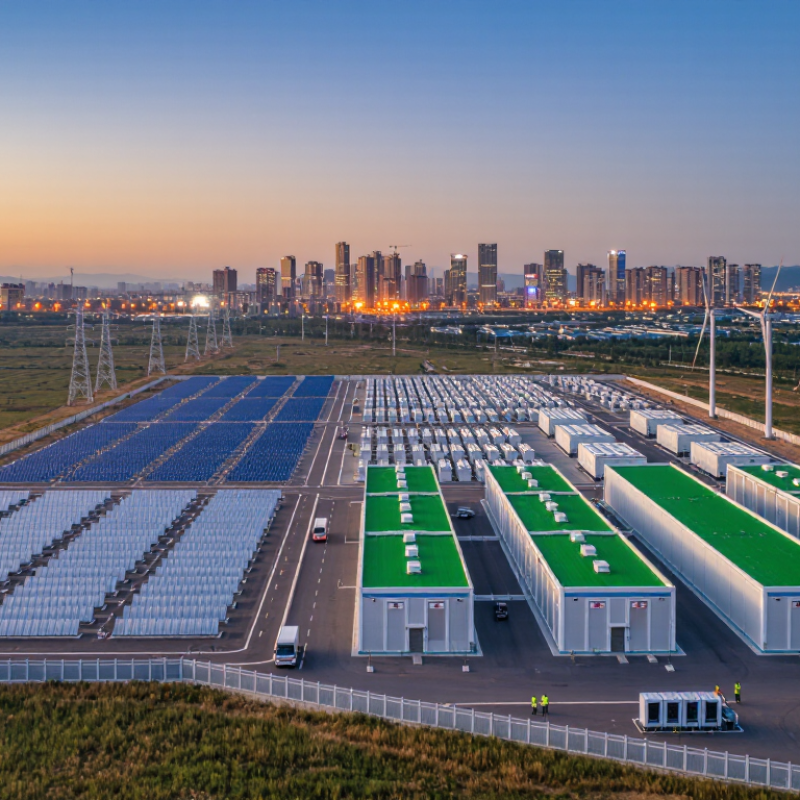
What Is Energy Storage and Why Does China Need It?
Energy storage holds electricity for later use. It works like a reserve tank for the power grid. Systems may use lithium-ion batteries, pumped hydro, compressed air, or thermal storage. Each option has different costs, response times, and environmental requirements. Batteries can react within seconds, helping control frequency when supply changes suddenly. Pumped hydro stores energy by moving water uphill, then releases it through turbines.
China needs storage because its electricity demand changes sharply across regions and seasons. Solar power drops after sunset, while wind output can shift within minutes. On a hot evening, air conditioners may increase demand when solar generation is fading.
Storage can discharge during this critical period and reduce pressure on transmission lines. It can also absorb excess renewable electricity instead of wasting it. This improves grid flexibility, but not perfectly.
Storage is not a guaranteed shield against blackouts. Batteries need careful temperature control, fire protection, maintenance, and responsible recycling. Pumped hydro requires suitable geography and long construction periods.
Engineers must examine round-trip efficiency, safety records, weather data, and local demand before choosing a system. Forecasts can still be wrong. Small planning errors matter. A reliable energy strategy should combine storage with stronger transmission, demand management, and clear emergency procedures.
How China’s Energy Storage Systems Work
China Best Energy Storage: How Can It Prevent Blackouts?
China’s energy storage systems act like shock absorbers for an unstable grid. During sunny or windy hours, battery containers store surplus electricity. After sunset, they release power within milliseconds. CNESA’s 2024 review reported 31.39 GW of cumulative new-energy storage capacity in China by the end of 2023. Lithium-ion batteries represented the dominant technology. A typical site combines battery racks, a battery management system, power conversion equipment, transformers, and fire-control devices. The energy management system then follows grid signals, weather forecasts, and electricity demand.
The operating logic is practical. Storage reduces evening peaks, supports frequency control, and supplies short emergency power when a transmission line fails. In some areas, batteries can create an islanded microgrid for hospitals, factories, or data centers. The International Energy Agency has identified grid-scale batteries as essential for integrating variable renewable power. Still, storage cannot replace every generator or transmission upgrade. Most projects discharge for only a few hours. A long, cloudy, low-wind period remains difficult. Safety also depends on cell quality, thermal monitoring, spacing, and trained maintenance teams. The U.S. National Renewable Energy Laboratory notes that battery aging reduces available capacity over time. That detail is easy to overlook. A system may promise 100 megawatt-hours, yet deliver less after years of cycling. China’s approach is expanding quickly, but grid planning, recycling, and transparent performance testing still need deeper attention.
How Storage Prevents Blackouts Before They Spread
China’s blackout defense starts before a local fault becomes a system emergency. Battery storage can detect frequency changes within milliseconds. It then injects power or absorbs excess electricity automatically. This slows the chain reaction between substations, generators, and transmission lines. The IEA reported that global battery-storage additions reached about 42 GW in 2023, nearly doubling from the previous year. China’s National Energy Administration reported 31.39 GW of new-type energy storage by the end of 2023.
The real value appears during the first few seconds. Storage can hold a stable frequency when a large power plant trips offline. It can also support critical feeders while operators isolate damaged equipment. In advanced projects, grid-forming inverters create a voltage reference without relying fully on conventional generators. This helps restart sections after an outage and reduces the chance of cascading failures. Regional control rooms can combine storage data with weather forecasts and demand signals. Small errors still matter.
Storage does not solve every blackout risk. Batteries may discharge too quickly during long heatwaves or fuel shortages. Safety systems, thermal monitoring, fire separation, and regular testing remain essential. The IEA’s Electricity 2024 analysis stresses that flexibility must grow alongside renewable generation and grid investment. China therefore needs storage near transmission bottlenecks, industrial parks, and vulnerable distribution lines. A battery beside a hospital feeder may prevent darkness before a wider failure spreads. That practical placement is often more important than headline capacity.
China Best Energy Storage How Can It Prevent Blackouts? - How Storage Prevents Blackouts Before They Spread
Typical operating characteristics are technology-dependent ranges used for grid-planning purposes; actual performance depends on system design, controls, operating conditions, and grid requirements.
| Grid Threat or Need |
Storage Response |
Typical Response Time |
Typical Service Duration |
How It Helps Prevent a Blackout |
| Sudden generation loss |
Injects active power to replace the lost supply |
Milliseconds to seconds |
Seconds to minutes |
Slows frequency decline and gives generators or operators time to restore the power balance. |
| Frequency deviation |
Provides fast frequency response through automatic inverter controls |
Sub-second to seconds |
Seconds to tens of minutes |
Keeps system frequency closer to its nominal value and reduces the risk of protective disconnection. |
| Peak demand or supply shortage |
Discharges during high-demand periods |
Seconds to minutes |
1–8 hours |
Reduces stress on transmission and distribution assets and lowers the probability of forced load shedding. |
| Transmission or distribution congestion |
Charges when the network is lightly loaded and discharges near constrained locations |
Seconds to minutes |
1–4 hours |
Relieves overloaded lines, transformers, and substations before protection systems trip. |
| Voltage drop or local instability |
Supplies or absorbs reactive power and supports local voltage |
Milliseconds to seconds |
Seconds to hours |
Improves voltage quality and helps prevent cascading equipment trips caused by abnormal voltage. |
| Renewable output variability |
Smooths short-term changes in solar and wind output |
Milliseconds to minutes |
Minutes to several hours |
Reduces sudden ramps and makes renewable production easier for grid operators to balance. |
| Loss of grid connection |
Islands from the grid and forms a stable local power system when properly configured |
Milliseconds to seconds |
Minutes to hours |
Maintains electricity for selected critical loads and prevents a local outage from spreading to essential services. |
| Black-start requirement |
Energizes selected equipment without relying on external grid power |
Seconds to minutes |
Minutes to hours |
Supports the orderly restoration of substations, generators, and critical feeders after a major outage. |
| Reserve shortage |
Maintains stored energy for unexpected events and dispatches it when reserves are activated |
Seconds to minutes |
15 minutes to several hours |
Adds an immediately controllable resource that reduces the need for emergency disconnection of customers. |
Key prevention mechanism:
Energy storage detects changes in frequency, voltage, power flow, or system demand and responds automatically before protective devices or operators must disconnect additional load.
Which Technologies Support China’s Power Grid?
China’s power grid is adding more flexible technologies as electricity demand and renewable generation rise. The IEA’s Electricity 2024 report recorded a 6.4% increase in China’s power demand during 2023. Solar and wind output can change within minutes, making grid flexibility essential.
Pumped-hydro storage remains important for multi-hour balancing. New energy storage also reached 73.76 GW by the end of 2024, according to China’s National Energy Administration. This capacity grew sharply from 31.39 GW in 2023. Lithium-ion batteries respond quickly during sudden frequency changes. Flow batteries and compressed-air systems may support longer discharge periods, although their costs and project conditions differ.
Small details matter.
High-voltage direct-current lines can move electricity from western renewable bases to eastern cities. Digital control systems can forecast demand, detect faults, and coordinate storage within seconds. Demand response also helps factories reduce consumption during evening peaks. The IEA’s Renewables 2024 report states that China delivered nearly 60% of global renewable capacity additions in 2023, increasing the need for these controls.
The picture is promising, but incomplete. Batteries often provide only a few hours of support, while extreme weather can last much longer. A reliable grid therefore needs layered protection, including reserve generation, stronger transmission, local microgrids, and tested emergency procedures. That assumption needs testing.
How China Can Improve Energy Storage Reliability and Safety
China Best Energy Storage: How Can It Prevent Blackouts?
How China Can Improve Energy Storage Reliability and Safety
China’s storage fleet is expanding quickly. The National Energy Administration reported 73.76 GW of new-type energy storage capacity by the end of 2024. Average duration reached about 2.3 hours. This growth can support evening demand, renewable balancing, and emergency reserve power.
Reliability needs more than installed capacity. Operators should test batteries during heat waves, freezing nights, and sudden frequency changes. Grid-forming inverters can help stabilize weak networks. Independent inspections should verify ventilation, fire detection, electrical isolation, and emergency shutdown systems. The IEA’s Batteries and Secure Energy Transitions report notes that battery storage must scale dramatically this decade. However, rapid construction can expose weak maintenance practices. More capacity does not always mean safer capacity.
Tips: Place storage near constrained substations, not only near renewable projects. Use cell-level temperature sensors and continuous gas monitoring. Divide large containers into smaller fire zones. Follow NFPA 855 principles and document every safety test. Train local firefighters with realistic drills, including toxic-smoke procedures. Keep spare transformers and control equipment nearby. Small failures become serious when replacement parts take months. Data sharing also matters, but cybersecurity reviews should protect operational systems. No design is perfect. China should publish anonymized incident data, investigate repeated alarms, and revise technical rules when field evidence challenges current assumptions.
Conclusion
Energy storage is becoming essential to China’s modern power system because electricity demand is rising while renewable generation can change quickly with weather conditions. By storing surplus electricity and releasing it when demand increases, energy storage systems help balance supply and demand, support grid stability, and reduce pressure on traditional power sources. These systems may use batteries, pumped hydropower, thermal storage, or other technologies to respond at different speeds and durations.
How energy storage can prevent blackouts is by detecting changes in grid frequency, voltage, or electricity demand and reacting before instability spreads. Fast-response systems can provide emergency power within seconds, while longer-duration storage can maintain supply during extended shortages or renewable generation gaps. To improve reliability and safety, China should strengthen system monitoring, battery management, fire protection, maintenance standards, recycling processes, and emergency planning. Combining advanced technology with careful regulation and coordinated grid operation can make energy storage a safer and more dependable part of the national electricity network.

 HK Charger