In the evolving landscape of renewable energy, a vital question arises: "How EV charging can be combined with energy storage?" This integration offers unprecedented opportunities for efficiency in energy management. Experts like Dr. Emily Carter, a leading energy storage researcher, emphasize, "The synergy between EV charging and energy storage can transform our energy grid."
As EV adoption accelerates, the demand for reliable charging solutions grows, which puts pressure on existing infrastructures. Combining energy storage systems with EV charging can alleviate these challenges. For instance, batteries can store excess energy from renewable sources, ensuring that charging stations operate smoothly during peak hours. However, this approach is not without its complexities.
Energy storage costs and technology limitations can hinder implementation. The balance between cost-effectiveness and innovation is delicate. Stakeholders must navigate these challenges carefully to realize the full potential of integrating EV charging with energy storage. The future holds promise, but continuous reflection and adaptation are essential for success in this dynamic sector.
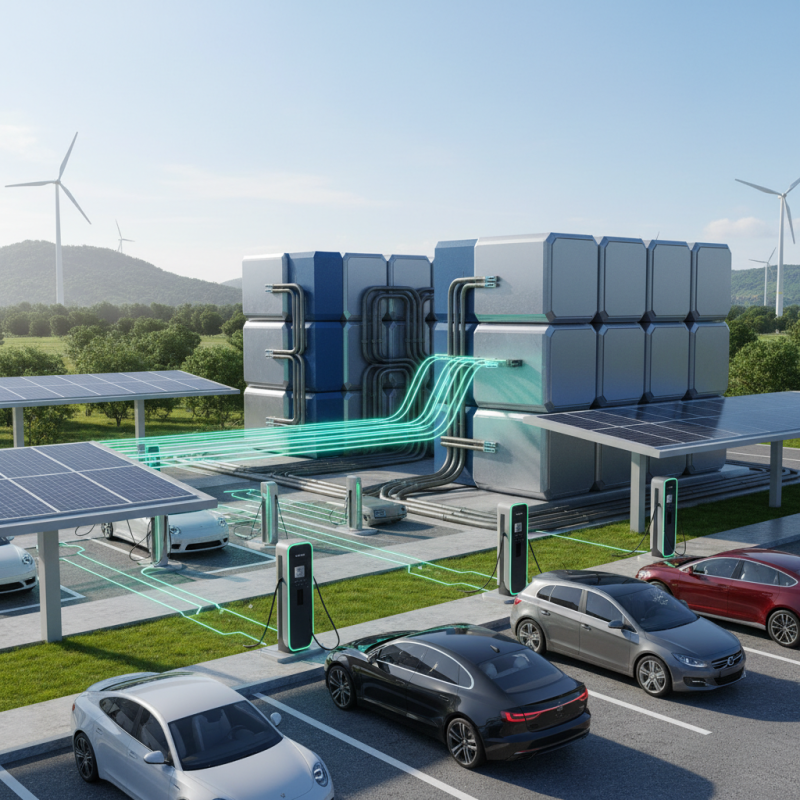
The integration of energy storage with electric vehicle (EV) charging can boost efficiency significantly. When energy storage systems are linked with charging stations, they provide a reliable source of power. For instance, stored energy can be utilized during peak hours, when the demand for electricity surges. This not only alleviates stress on the grid but also lowers costs for users.
Moreover, energy storage helps in leveling out the fluctuations in renewable energy generation. Imagine a solar array powering a charging station. Energy storage allows this station to charge EVs even when the sun isn’t shining. This flexibility is crucial as it enhances the overall charging experience. It also encourages the use of renewables, creating a sustainable environment for EV charging.
However, challenges persist in this integration. Not all energy storage systems can efficiently manage the rapid charging needs of EVs. There are concerns regarding the longevity of batteries, and their disposal requires careful consideration. Additionally, not every location has access to adequate energy storage technology. Addressing these issues is essential for maximizing the synergy between EVs and energy storage.
The synergy between electric vehicle (EV) charging and energy storage systems presents an intriguing opportunity for enhancing energy efficiency. Integrating these technologies allows for better management of energy supply and demand. When EVs charge during off-peak hours, they draw less from the grid, lowering energy costs. Conversely, energy storage systems can store excess energy when it’s plentiful. This dynamic exchange between charging demand and energy availability can minimize strain on the grid and optimize resource use.
However, this interaction is not without its challenges. Energy storage systems require significant initial investments and maintenance. Moreover, the efficiency of this synergy heavily depends on regional energy policies and infrastructure readiness. EV users may not always charge at the ideal times. They might rely on charging stations that lack sufficient energy storage capacity. Such discrepancies can lead to inefficiencies and missed opportunities for savings.
Consumers should also consider the lifecycle of both EVs and energy storage systems. As technology evolves, older systems may not integrate well. This raises questions about long-term feasibility and optimal technology choices. Encouragingly, the interaction between EVs and energy storage can lead to innovative solutions. With the right approach, stakeholders can maximize the benefits of this synergy amid its complexities.
Integrating renewable energy sources into electric vehicle (EV) charging can transform energy consumption patterns. This combination not only reduces dependence on fossil fuels but also optimizes the overall charging process. For instance, utilizing solar panels at charging stations can significantly decrease energy costs. However, variability in solar output makes consistent energy supply challenging.
Energy storage systems play a vital role in this integration. They capture excess renewable energy generated during peak production times. This stored energy can then be used during high-demand periods. Such systems enhance grid stability but come with their own set of complications. Proper sizing of storage units is crucial; too small can lead to shortages, while too large can incur unnecessary costs.
Moreover, the interaction between EV charging and renewable energy sources is complex. Weather conditions directly influence renewable output. For example, extended cloudy days may lead to insufficient energy supply. Users often experience frustration during these times, which raises questions about the reliability of these systems. Continuous advancements are essential to improve efficiency and ensure consistent performance in varying weather conditions.
Electric vehicles (EVs) are becoming a crucial part of our transportation landscape. However, charging them efficiently alongside incorporating energy storage remains a challenge. Evaluating cost-effective strategies is essential to enhance EV infrastructure. Energy storage can play a critical role in managing peak loads and storing renewable energy for EV charging.
One approach is to utilize battery systems that can store energy during off-peak hours. This strategy can significantly reduce costs. Integrating solar panels with energy storage can harness clean energy for charging stations. Yet, the initial investment can seem daunting. How do we ensure that these systems yield long-term savings? Regular assessments and advancements in technology can help address these uncertainties.
Additionally, the placement of charging stations is vital. Locations should prioritize high traffic areas but also consider grid reliability. Balancing cost and efficiency can be tricky. Engaging with local energy providers can foster better solutions tailored to specific community needs. Ongoing dialogues can highlight potential pitfalls and areas for enhancement. It is important to keep evaluating and adapting strategies as the market evolves and technology improves.
The integration of energy storage with electric vehicle (EV) charging stations can lead to significant efficiency improvements. A recent report indicated that utilizing energy storage enables up to a 30% reduction in peak demand charges. This reduction helps in managing energy costs, making charging more economical for operators. Additionally, energy storage systems can draw energy during off-peak hours, when electricity rates are lower, and store it for later use during peak hours. This practice stabilizes energy supply and enhances grid resilience.
Adopting smart charging solutions is essential for optimizing energy usage. Studies show that smart charging can increase the efficiency of charging stations by around 20%. These systems enable dynamic load management, adjusting power delivery based on real-time grid conditions. Implementing smart technology allows the integration of renewable energy sources, further reducing reliance on fossil fuels. Nevertheless, the initial investment in advanced systems can be daunting for many operators. The need for better education on financial incentives and long-term benefits is evident to encourage wider adoption among stakeholders.
| Charging Station Location | Battery Capacity (kWh) | Peak Charging Power (kW) | Average Utilization (%) | Cost Savings ($/Year) |
|---|---|---|---|---|
| Downtown Area | 100 | 50 | 75 | 15000 |
| Suburban Area | 200 | 100 | 60 | 12000 |
| Highway Rest Stop | 150 | 75 | 80 | 18000 |
| Shopping Mall | 250 | 125 | 70 | 20000 |
| Office Park | 120 | 60 | 65 | 13000 |
: Energy storage systems provide reliable power, especially during peak demand, reducing overall costs for users.
Renewable energy can lower dependence on fossil fuels, but variability can challenge consistent energy supply.
Energy storage captures excess energy during peak production for later use, stabilizing energy supply during high demand.
Concerns include battery longevity, disposal issues, and access to adequate storage technology in different locations.
Utilizing energy storage during off-peak hours, when rates are lower, helps reduce peak demand charges significantly.
An improperly sized storage unit can lead to energy shortages or unnecessary costs, complicating charging operations.
Smart charging can enhance efficiency by managing power delivery based on real-time conditions, using renewable sources effectively.
The initial investment can be high, and operators need better education on financial incentives and long-term benefits.
Weather directly influences output; cloudy days can reduce energy supply, causing user frustration and reliability concerns.
Integration can lead to significant efficiency improvements, potentially reducing peak demand charges by up to 30%.
The article "How to Combine EV Charging with Energy Storage for Maximum Efficiency?" explores the crucial role that energy storage plays in enhancing the efficiency of electric vehicle (EV) charging. By understanding the synergy between EV charging and energy storage systems, it becomes clear that integrating these technologies can lead to improved energy management and reduced operational costs. The article emphasizes how renewable energy integration can positively influence EV charging, allowing for a more sustainable charging infrastructure.
Furthermore, it evaluates cost-effective strategies for deploying energy storage within EV charging infrastructure and outlines best practices for optimizing energy usage at charging stations. Ultimately, the content highlights innovative approaches on how EV charging can be combined with energy storage to achieve maximum efficiency, paving the way for a greener future in transportation.
HK Charger