The integration of distributed energy storage systems (DESS) plays a crucial role in enhancing grid stability. In the United States, a report by the National Renewable Energy Laboratory indicates that DESS can reduce grid disturbances by up to 30%. This statistic highlights how distributed energy storage improves grid stability during peak demand periods. By harnessing renewable energy sources such as solar and wind, DESS can alleviate pressure on the grid.
Moreover, energy storage systems help balance supply and demand fluctuations. According to a study from Wood Mackenzie, the global energy storage market is expected to reach 1,095 GWh by 2024. This growth reflects an increasing recognition of the importance of reliable energy sources. However, industry challenges remain. Issues such as high initial costs and regulatory hurdles can impede widespread adoption. These factors warrant reflection as they impact DESS deployment.
The potential benefits of distributed energy storage systems are significant. They not only enhance grid reliability but also contribute to lower carbon emissions. As we explore how distributed energy storage improves grid stability, it is essential to address both its advantages and the challenges ahead. A balanced perspective will guide us toward a sustainable energy future.
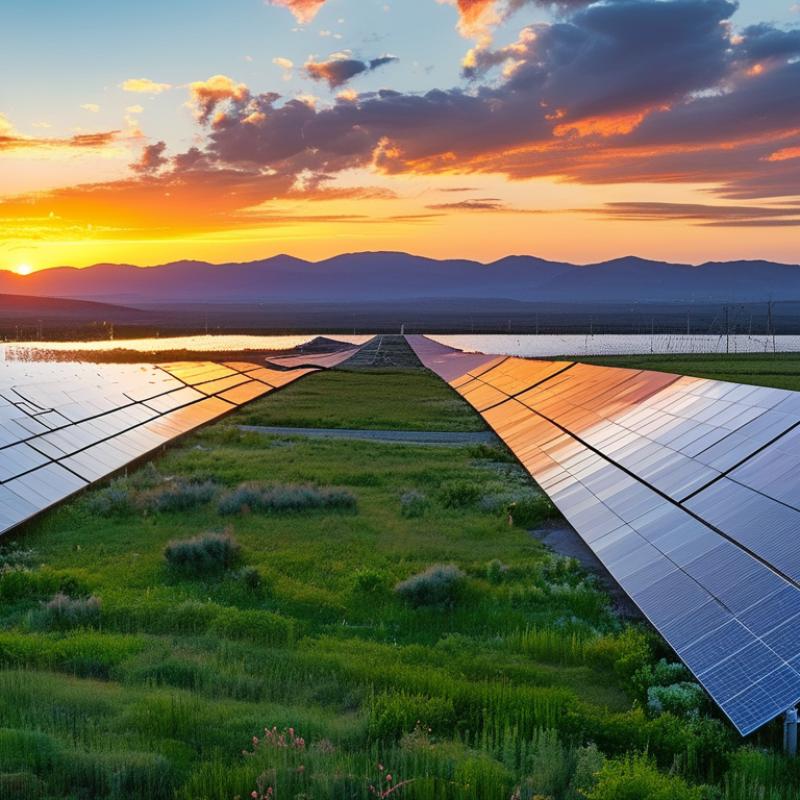
The Role of Distributed Energy Storage in Enhancing Grid Stability
Distributed energy storage systems play a critical role in enhancing grid stability. These systems include batteries and other technologies that store energy close to where it will be used. Unlike traditional power sources, which operate on a large scale and far from the end user, distributed storage can react quickly to fluctuations. This adaptability is vital as demand and supply can change rapidly.
In recent years, increased reliance on renewable energy sources has added complexity to grid management. Solar and wind energy production can be intermittent. This is where distributed energy storage shines. It can absorb excess energy generated during peak production and release it during low production periods. This balancing act helps prevent blackouts and ensures a steady power supply.
However, integrating these systems is not without challenges. The current grid infrastructure often struggles to accommodate distributed storage technologies efficiently. Upgrades are necessary, but they can demand substantial investment and planning. Moreover, local regulations can vary significantly, complicating deployment efforts. Addressing these challenges is crucial for maximizing the benefits of distributed energy storage.
Key Benefits of Energy Storage in Balancing Supply and Demand
Distributed energy storage systems (DESS) have become essential in stabilizing the grid. These systems help manage supply and demand effectively. According to a report from the International Energy Agency (IEA), the global energy storage market is expected to grow to 550 gigawatts by 2030. This growth will support renewable energy integration, which can be unpredictable.
Energy storage balances supply fluctuations. For instance, during peak demand, stored energy can be released to meet consumer needs. A study by Bloomberg New Energy Finance indicates that energy storage systems can reduce grid tensions by up to 30%. These systems also enhance reliability during outages, ensuring continuous power flow in critical situations.
However, challenges exist. Current storage technologies, such as lithium-ion batteries, have environmental impacts that need reflection. Long-term sustainability must be prioritized. Additionally, the initial investment in these systems can be high, making accessibility an issue for some regions. Despite these hurdles, the overall benefits of DESS in enhancing grid reliability remain clear.
Statistics on Frequency Regulation and Voltage Stabilization from Storage Solutions
Distributed energy storage systems (DESS) have become integral in enhancing grid stability. These systems play a crucial role in frequency regulation. They absorb excess energy when supply exceeds demand, preventing frequency fluctuations. This balance is vital for maintaining a reliable power supply.
Statistics show that DESS can contribute significantly to voltage stabilization. For example, they can mitigate voltage spikes in real time. This capability reduces the risk of outages caused by sudden surges. Infrastructure benefits from fewer disturbances, leading to a more resilient grid.
Tips: To better utilize storage solutions, consider local energy needs. Engage with experts to understand your region's specific requirements. Regularly assess your energy storage systems to ensure they operate efficiently. Stay informed about developments in energy storage technology for optimal performance.
How Distributed Energy Storage Boosts Grid Stability and Reliability
| Parameter |
Value |
Unit |
| Average Frequency Deviation |
0.01 |
Hz |
| Frequency Regulation Response Time |
1.5 |
seconds |
| Voltage Stabilization Improvement |
95 |
% |
| Storage Capacity Leveraged for Frequency Regulation |
200 |
MW |
| Reduction in Frequency Variability |
40 |
% |
| Grid Interruption Reduction |
30 |
% |
Case Studies: Successful Implementation of Distributed Storage Systems
Distributed energy storage systems (DESS) have gained traction as a solution to enhance grid stability. For instance, the integration of energy storage has been reported to improve reliability in regions with high renewable energy penetration. According to the U.S. Energy Information Administration, energy storage capacity in the country increased by over 50% from 2019 to 2021, signaling a growing trend.
A concrete example is California's initiative to implement DESS in urban areas. By 2022, over 1,000 megawatts of storage capacity was installed across the state. This distributive approach not only provides backup during peak demand but also helps in frequency regulation.
However, challenges remain in cost management and the lifecycle of storage systems, with some reports indicating that battery degradation affects efficiency.
In Germany, community-based energy storage systems have exemplified effective local solutions. Projects in Freiburg have shown that locals can significantly reduce their grid dependence. Despite reported successes, ongoing concerns about scalability and resource allocation persist. Experts recommend refining technology and investing in research to address these issues effectively.
Future Trends in Energy Storage Technologies and Their Impact on Grid Reliability
The future of energy storage technologies is poised to revolutionize grid reliability. As renewable energy sources grow, they often bring variability. This can strain existing grid infrastructure. Advanced energy storage solutions, such as lithium-ion batteries and flywheel systems, offer effective ways to manage this challenge.
New trends in energy storage focus on longer duration and higher capacity solutions. Technologies like solid-state batteries are gaining attention. They promise higher efficiency and safety. However, these innovations also face hurdles, such as high production costs and scalability issues. It is crucial to address these challenges for widespread adoption.
Distributed energy storage systems enhance grid resilience. They provide localized support, balancing supply and demand. Yet, integration into current grids requires careful planning. Power flow management must adapt to these new technologies. Regulatory frameworks may need updates to facilitate smooth transitions. This is an ongoing discussion within the energy community. Balancing innovation with practical implementation remains a complex task.
How Distributed Energy Storage Boosts Grid Stability and Reliability
This chart illustrates the projected increase in distributed energy storage capacity and its impact on grid reliability over the next decade. As distributed energy resources, including battery storage systems, become more prevalent, they play a crucial role in enhancing grid stability by providing backup power, frequency regulation, and peak shaving capabilities.
FAQS
: DESS enhance grid stability by regulating frequency and balancing supply and demand effectively.
They mitigate real-time voltage spikes, reducing outage risks and ensuring fewer disturbances to infrastructure.
Assess local energy needs regularly and consult with experts for optimal system operation.
Trends include higher capacity solutions like solid-state batteries, promising better efficiency and safety.
High production costs and scalability issues hinder the widespread adoption of innovative storage solutions.
They provide localized support, effectively balancing energy supply and demand in specific areas.
Careful planning is needed for power flow management and updating regulatory frameworks for smooth transitions.
It ensures that new technologies enhance grid reliability without disrupting existing infrastructure.
Regular assessments are vital to maintaining efficient operation and adapting to changing energy demands.
Overcoming high production costs is a crucial hurdle for the broader implementation of these technologies.
Conclusion
Distributed energy storage plays a pivotal role in enhancing grid stability by effectively balancing supply and demand. How distributed energy storage improves grid stability lies in its ability to provide real-time support for frequency regulation and voltage stabilization, ensuring a reliable power supply. Key benefits of energy storage systems include their capacity to absorb excess energy during low demand and release it during peak periods, which helps prevent outages and reduces strain on the grid.
Various case studies demonstrate successful implementation of distributed storage solutions, showcasing their importance in modern energy systems. Looking ahead, future trends in energy storage technologies promise even greater advancements in grid reliability, leading to more resilient and efficient energy infrastructure. With ongoing innovations, distributed energy storage is set to play an increasingly vital role in maintaining a stable and reliable power grid.

 HK Charger