As we approach 2026, a significant transformation in the energy sector is underway. The integration of energy storage systems is reshaping how consumers experience electricity billing. According to a report from the International Energy Agency (IEA), energy storage capacity worldwide is anticipated to surge by 250% by 2026. This dramatic growth indicates a shift toward a more sustainable and flexible energy grid.
How energy storage impacts electricity billing will become increasingly evident. Energy storage enables homeowners and businesses to store excess energy generated during peak production times. This stored energy can be used during high-demand periods, reducing the utility costs associated with peak pricing. However, not all consumers are fully aware of these developments. Many still rely heavily on traditional billing methods that do not account for the benefits of energy storage.
Navigating this evolving landscape requires both awareness and adaptation. As energy storage technologies improve and become more affordable, it is crucial for consumers to understand their potential impact on electricity bills. Opportunities exist for financial savings, but there are also challenges to overcome. For instance, integrating these systems into existing infrastructures may require upfront investments that some consumers may find daunting. Ultimately, understanding how energy storage impacts electricity billing may empower consumers to optimize their energy use and costs.
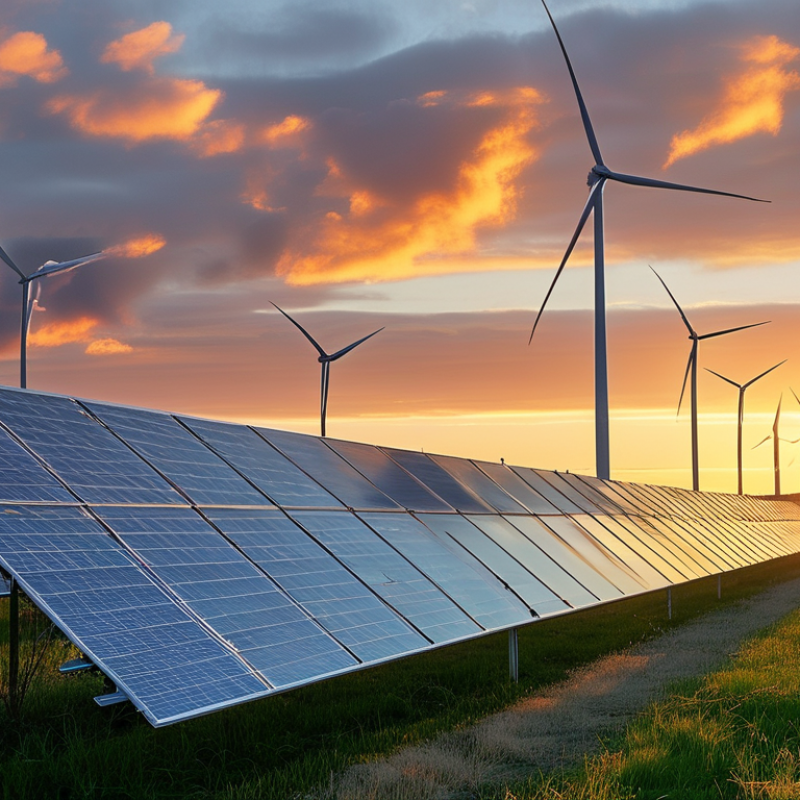
How Energy Storage Technology Will Evolve by 2026
Energy storage technology is set to undergo remarkable changes by 2026. The rise of renewable energy sources like solar and wind has made energy storage more crucial. Battery systems will become more efficient, allowing homeowners and businesses to store excess energy. This stored energy can be used during peak demand times. More advanced batteries will likely have longer lifespans and higher capacities.
One challenge is the environmental impact of battery production. As demand increases, so does the need for sustainable materials. Innovators are exploring eco-friendly alternatives and improving recycling processes. This shift must be monitored closely to ensure it aligns with sustainability goals.
Investment in smart grid technology will enhance how energy storage systems operate. Real-time data can optimize energy use and improve savings. However, the rapid evolution can lead to disparities in access. Not every community may benefit equally from these advancements, raising concerns about equity in energy transition.
Balancing innovations with inclusivity will be essential for fair energy distribution.
The Impact of Energy Storage on Peak Demand and Electricity Costs
As energy storage systems become more prevalent, their impact on peak demand and electricity costs will be significant. According to the U.S. Department of Energy, up to 300 gigawatts of energy storage could be required by 2030 to manage spikes in demand. This shift will drastically alter how utility companies approach pricing structures. The integration of storage solutions allows consumers to draw energy during off-peak hours, ultimately reducing the burden during peak times.
In 2026, the financial implications for consumers could be profound. A study from the National Renewable Energy Laboratory estimates that households utilizing energy storage could see their electricity bills decrease by up to 30%. Additionally, with storage systems capable of holding excess energy generated from renewable sources, the reliance on costly fossil fuels will diminish. However, this transition may not be seamless. High initial costs for storage installations could deter some consumers, leading to uneven adoption rates.
The ability to shift consumption patterns will transform energy markets. However, not all consumers will benefit equally. Those in regions with unreliable grid infrastructure may struggle to see substantial savings. Furthermore, energy storage requires ongoing maintenance and technological adaptation. This presents layers of complexity that may leave some individuals questioning whether the investment is worthwhile.
Understanding Time-of-Use Rates and Energy Storage Benefits
Understanding time-of-use rates is crucial for managing your electricity bill in 2026. These rates charge different prices for energy depending on the time of day. For example, prices can soar during peak hours when demand is highest. Conversely, energy is cheaper during off-peak times, often at night. By adjusting your energy consumption to these rates, you can save significantly.
Energy storage systems play a vital role in this strategy. They allow you to store energy when rates are low and use it during peak times. Imagine charging your system overnight when costs are down. You can then draw from this stored energy throughout the day. This dynamic can reduce your total energy expenditure.
However, not everyone will benefit equally from energy storage. Initial setup costs can be high. Some may not have the space for installation, which complicates things. Homeowners need to assess their needs carefully. This technology isn’t a one-size-fits-all solution. It’s essential to weigh the benefits against potential downsides. Understanding your own energy habits will be key.
How Energy Storage Affects Your Electricity Bill in 2026
| Time-of-Use Period |
Rate per kWh ($) |
Potential Savings with Storage ($) |
Average Daily Usage (kWh) |
Monthly Cost Without Storage ($) |
Monthly Cost With Storage ($) |
| Peak (4 PM - 9 PM) |
0.25 |
50 |
30 |
75 |
25 |
| Off-Peak (9 PM - 7 AM) |
0.10 |
20 |
20 |
20 |
10 |
| Shoulder (7 AM - 4 PM) |
0.15 |
30 |
25 |
38 |
15 |
Government Policies and Incentives for Energy Storage Adoption
Government policies play a crucial role in driving energy storage adoption. In 2026, up to 45% of U.S. households may benefit from energy storage incentives. These incentives include tax credits and rebates designed to lower upfront costs. Various state programs offer financial assistance for homeowners willing to invest in solar-plus-storage systems.
The Department of Energy reports that energy storage can reduce electricity bills by approximately 25%. This reduction is significant, especially as utility rates rise. Policymaking that focuses on sustainable energy solutions has become more prevalent. However, challenges remain. Not every state has enacted supportive laws, causing uneven adoption rates. Policymakers need to ensure that all residential areas have equal access to incentives.
Moreover, local governments often struggle to create intuitive frameworks for residents to navigate. Complexity can deter potential users. While some states shine in providing comprehensive energy storage policies, others lag behind. This disparity can lead to missed opportunities for consumers and economic growth. The future of energy storage depends on continuous policy improvement and its accessibility to everyone.
Future Trends in Home Energy Storage and Their Financial Implications
As we look ahead to 2026, the adoption of home energy storage systems is expected to rise significantly. According to a report by the International Energy Agency, global installations of residential battery systems could triple by then. This growth will likely reshape how homeowners manage their electricity bills.
Energy storage allows users to collect and store energy generated from renewable sources, like solar panels. By using stored energy during peak hours, households can avoid high electricity rates. A study by Wood Mackenzie estimates that homeowners could save up to 30% on their electricity bills with effective energy storage solutions.
Tips: Consider your local energy rates. Analyze when you spend the most on electricity. This data will help you decide the right size for your energy storage system.
However, potential downsides exist. Initial investment costs may deter some homeowners. Storage technology can be complex and requires regular maintenance. Understanding these factors is essential for making informed choices.
Tips: Research available incentives. Many regions offer financial support for energy storage installations. These can significantly lower your upfront costs and enhance long-term savings.
Conclusion
The article titled "How Energy Storage Affects Your Electricity Bill in 2026" explores the evolution of energy storage technology and its significant impact on electricity billing by 2026. As energy storage systems advance, they play a crucial role in managing peak demand and reducing overall electricity costs. Understanding time-of-use rates becomes essential for consumers, as energy storage can enable them to take advantage of lower prices during off-peak hours.
Moreover, the article highlights current government policies and incentives that encourage the adoption of energy storage solutions, which can further enhance financial savings for households. Looking ahead, the trends in home energy storage indicate that homeowners will increasingly benefit from these systems, leading to a more resilient energy grid and lower electricity bills. In summary, understanding "how energy storage impacts electricity billing" will be vital for consumers aiming to maximize their energy efficiency and financial benefits in the coming years.

 HK Charger