Energy storage is no longer limited to laboratory demonstrations. Containerized battery systems now stand beside factories, solar farms, and urban substations. Their benefits are clear, but safety depends on more than selecting certified equipment. A single overheated module can affect neighboring cells, release hazardous gases, and challenge emergency response teams. This makes careful design essential.
What safety standards should energy storage meet depends on the technology, location, and system size. Designers commonly assess IEC 62933, UL 9540, UL 9540A, NFPA 855, and applicable electrical, fire, and building codes. These references address different risks, including thermal runaway, fire propagation, installation, ventilation, detection, and emergency planning. Local authorities having jurisdiction remain critical. A certificate alone is not enough.
Details matter. Battery management systems should identify abnormal temperature changes early. Fire detection should match the enclosure and operating environment. Clear access routes, safe spacing, gas monitoring, and tested shutdown procedures can reduce confusion during an incident. Commissioning records should show what was inspected, tested, and corrected. Small gaps matter.
This guide examines how manufacturers, integrators, and facility owners can connect global standards with real operating conditions. It also recognizes an uncomfortable limitation: laboratory results cannot represent every site, climate, maintenance practice, or failure sequence. Standards evolve, and installations can fall behind them. Reliable compliance therefore requires independent review, documented evidence, trained personnel, and continuous reassessment after changes. Safety is not a finished document. It is a maintained responsibility.
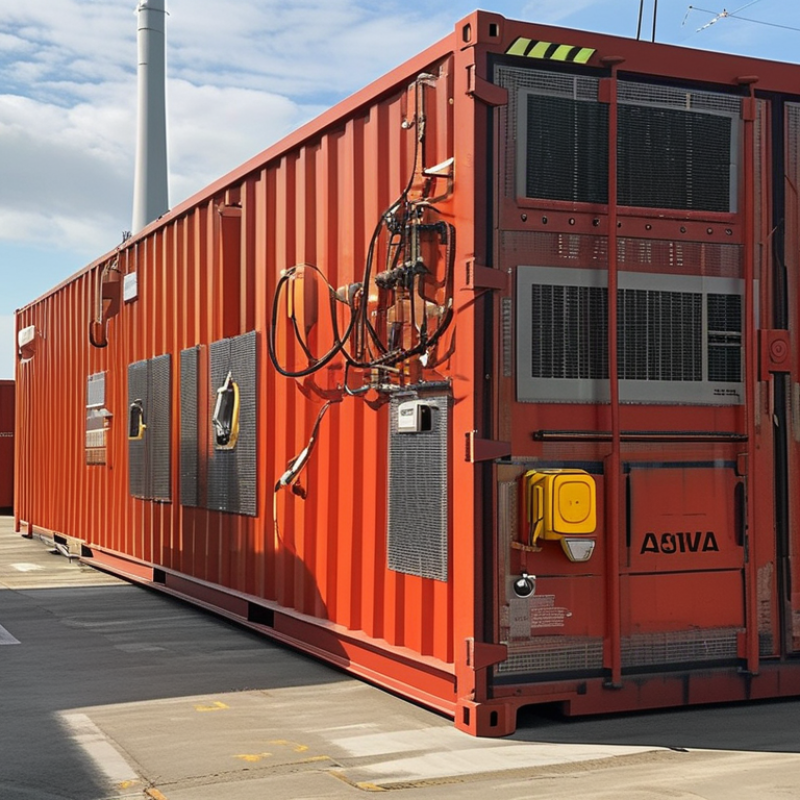
Defining Global Safety Standards for Energy Storage Systems
Defining global safety standards for energy storage systems requires more than one certificate. According to the International Energy Agency’s Batteries and Secure Energy Transitions report (2024), global battery storage additions reached about 42 gigawatts in 2023. Deployment is accelerating. Safety requirements must therefore cover design, installation, operation, and end-of-life handling.
IEC 62933 provides a framework for electrical energy storage systems. NFPA 855 addresses installation risks, spacing, ventilation, fire protection, and emergency response. Test methods such as UL 9540A examine thermal runaway and fire propagation. These standards work best together. A container should include temperature sensors, gas detection, automatic isolation, and clearly marked emergency disconnects. Operators also need documented inspection routines and realistic fire drills.
Field experience shows a persistent weakness: compliance documents may not reflect actual site conditions. Dust, heat, flooding, aging cells, and rushed maintenance can change the risk profile. The Global Battery Alliance’s Battery Passport concept also highlights the need for traceable material and performance data across the product lifecycle. Yet global harmonization remains incomplete. A system approved in one jurisdiction may require additional testing elsewhere. That gap deserves more attention. Safety is not a single approval; it is a continuing process, measured through data, training, independent testing, and honest review.
How to Ensure Energy Storage Meets Global Safety Standards?
Key international and regional energy-storage safety standards by foundational publication year. Compliance should be assessed against the latest applicable edition and local regulatory requirements.
The standards address complementary risks, including system safety, battery-cell safety, thermal-runaway characterization, fire protection, installation, and grid-connected energy-storage operation.
References: IEC 62619:2017; IEC 62933-5-2:2020; IEC 63056:2020; UL 9540A:2018; NFPA 855:2020; UL 9540:2020.
Identifying Key Safety Risks Across Energy Storage Technologies
How to Ensure Energy Storage Meets Global Safety Standards?
Identifying Key Safety Risks Across Energy Storage Technologies
Energy storage safety begins with understanding how each technology can fail. Lithium-ion systems may experience thermal runaway after internal damage, overcharging, or poor cooling. A single overheated cell can raise temperatures across a tightly packed module. Fire may spread faster than operators expect. Early detection matters.
Flow batteries present different concerns. Leaking electrolyte can damage equipment and expose workers to harmful chemicals. Pumps, valves, and storage tanks require regular inspection. Sodium-based systems can reduce some material risks, but high operating temperatures create new hazards. Mechanical damage, insulation failure, and poor ventilation remain practical concerns.
Hydrogen storage requires careful control of leaks, pressure, ignition sources, and confined spaces. Sensors should detect small releases before gas reaches dangerous concentrations. Testing should include abnormal conditions, not only normal operation. Emergency shutdowns must be easy to locate and operate.
Small details matter.
For every technology, assess fire behavior, electrical faults, structural loading, temperature changes, and maintenance access. Site designers should separate units, protect cable routes, and provide clear evacuation paths. Independent testing can reveal weaknesses that internal reviews miss. However, test results may not reflect every climate, installation error, or aging condition. That limitation deserves attention. Safety plans should therefore combine recognized international standards, local requirements, documented inspections, and trained human judgment. A checklist helps, but it cannot replace questioning unusual alarms, damaged enclosures, or unexplained temperature changes.
Designing Systems to Meet International Safety Requirements
Designing an energy storage system for international safety requirements starts with the intended operating environment. Engineers should identify applicable standards for cells, modules, enclosures, controls, transport, installation, and emergency response. IEC 62619 may guide industrial battery safety, while IEC 63056 addresses certain secondary lithium cells and batteries. Other regions may require additional fire testing, building approvals, or grid connection rules. One standard rarely covers everything.
A credible design uses documented hazard analysis, not assumptions. Engineers should examine thermal runaway, electrical shock, overcurrent, gas release, water ingress, and mechanical damage. Protection settings need verification under normal and abnormal conditions. Independent laboratories can assess construction, performance, and fire behavior against recognized procedures. Test it again. Small changes in cell chemistry, enclosure spacing, or software can alter the result.
Installation quality is equally important. Clearances, cable routing, ventilation, drainage, signage, and isolation points should match approved drawings. Operators need practical training, inspection schedules, and emergency procedures that responders can understand quickly. Records should connect each test result to a serialised component and software version. That traceability supports audits and future repairs. A checklist alone is not enough. Field conditions are often less controlled than test rooms, so designers should revisit assumptions after commissioning, especially when temperature, dust, humidity, or maintenance practices differ from the original plan. Reliability improves when compliance remains an active engineering process, rather than a certificate collected at the project’s end.
Testing, Certifying, and Documenting Energy Storage Safety
How to Ensure Energy Storage Meets Global Safety Standards?
Testing, certifying, and documenting safety must begin before an energy storage system reaches the site. The International Energy Agency’s Batteries and Secure Energy Transitions report (2024) estimates that global battery storage capacity must increase sixfold by 2030. That growth increases the importance of disciplined verification. Engineers should test cells, modules, enclosures, controls, and fire protection as one system. Thermal runaway tests should reflect realistic spacing, ventilation, weather, and charging conditions. Standards such as IEC 62933-5-2, IEC 62477-1, and NFPA 855 provide useful reference points. Yet, a certificate cannot prove every future operating condition.
Documentation needs equal attention. Test reports should identify equipment versions, sensor locations, software settings, ambient conditions, and failure responses. The International Renewable Energy Agency’s Electricity Storage and Renewables report highlights that safety depends on system design, operation, and maintenance, not hardware alone. Keep inspection records searchable. Record every alarm, repair, firmware change, and emergency drill. Small omissions can become serious during an incident. This is where many projects remain imperfect.
Tips:
Request independent test evidence. Compare certificates with the installed configuration. Photograph cable routes and warning labels. Recheck ventilation after construction changes. Train local responders using site-specific drawings. Review the file annually, because a safe design can become unsafe through undocumented modification.
Maintaining Compliance Through Monitoring and Continuous Improvement
Maintaining energy-storage compliance requires more than passing a commissioning inspection. Operators need continuous visibility across temperature, voltage, state of charge, insulation, and gas detection. A small temperature rise in one rack can become a serious warning when trends are ignored. Real-world teams should review alarms daily and investigate repeated faults, not simply reset them.
The International Energy Agency’s Batteries and Secure Energy Transitions report states that global battery-storage capacity must expand sixfold by 2030 under its net-zero pathway. That growth increases pressure on monitoring quality and maintenance discipline.
Digital monitoring should connect cell-level data with site procedures, emergency plans, and maintenance records. Operators can set clear escalation thresholds, test sensors regularly, and verify shutdown controls under realistic conditions. Independent assessments should examine thermal propagation, ventilation, separation distances, and firefighting access. International safety frameworks provide structure, but local conditions still matter.
A coastal installation may face corrosion.
A desert site may experience severe heat cycling.
The evidence is imperfect.
The International Renewable Energy Agency reported that battery storage costs fell sharply between 2010 and 2023, supporting wider deployment. Lower costs can accelerate adoption, but they may also encourage rushed procurement. A stronger process compares supplier declarations with test evidence, field data, and incident learnings.
Teams should document every near miss and update operating procedures afterward. Compliance can weaken quietly when software changes, sensors drift, or training becomes routine. Continuous improvement means revisiting those assumptions before the next alarm.
Conclusion
Ensuring that energy storage systems meet global safety standards requires a structured approach covering design, operation, and long-term management. The key question is: What safety standards should energy storage meet? Requirements should address electrical protection, fire prevention, thermal management, mechanical integrity, cybersecurity, environmental conditions, and emergency response. Because battery, thermal, mechanical, and other storage technologies present different hazards, developers must identify technology-specific risks before selecting appropriate safeguards.
Compliance should be built into system architecture through reliable controls, protective devices, ventilation, isolation measures, monitoring functions, and clearly defined operating procedures. Comprehensive testing, independent certification, and accurate technical documentation help demonstrate that the system satisfies applicable international requirements. After installation, continuous monitoring, regular inspections, maintenance, incident review, and software or hardware improvements are essential. By combining risk assessment, certified testing, transparent records, and ongoing performance improvement, energy storage operators can strengthen reliability, protect people and facilities, and maintain safety compliance throughout the system’s service life.

 HK Charger