10 Essential Tips for Planning Energy Storage in Microgrids?

Time:2026-06-19 Author:Mason
0%

The increasing integration of renewable energy sources has made energy storage a key consideration in microgrid design. As the share of renewables in global energy generation rises, effective storage solutions become essential. According to the International Energy Agency (IEA), energy storage capacity is projected to grow by 30% per year through 2030.

Understanding how to plan energy storage for microgrids involves more than just selecting the right technology. It requires careful analysis of energy demand patterns, local generation capabilities, and system integration. Data from the U.S. Department of Energy indicates a 50% reduction in operating costs when battery storage is implemented correctly. Yet, many microgrid developers overlook critical aspects, such as site evaluation and grid interconnection challenges.

Planning energy storage effectively can mitigate these pitfalls. Stakeholders often struggle with balancing initial costs against long-term efficiency gains. Not addressing these factors can lead to inefficiencies and increased operational costs. Therefore, it is crucial to develop a strategic approach that combines expert knowledge with practical experience in energy storage solutions for microgrids.
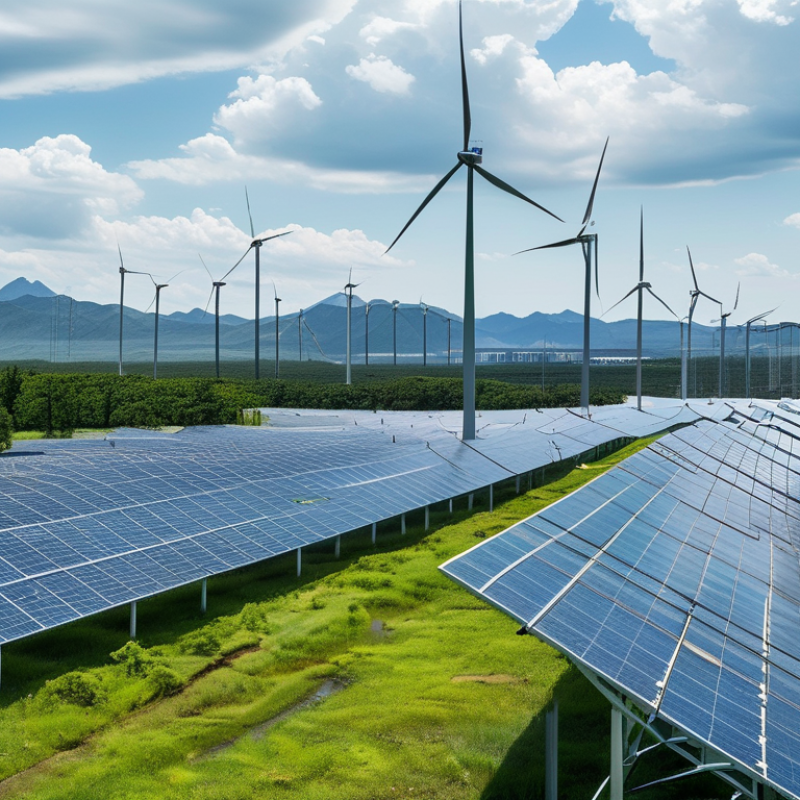
10 Essential Tips for Planning Energy Storage in Microgrids?

Understanding the Role of Energy Storage in Microgrids

Energy storage plays a crucial role in microgrids, serving as a bridge between energy generation and consumption. With renewable sources like solar or wind, energy production can be inconsistent. Energy storage systems help balance this variability. They store excess energy during peak production and release it during high demand periods. This capability enhances the reliability of microgrids while reducing dependency on traditional power sources.

Implementing effective energy storage requires careful consideration of capacity, technology, and location. Different storage technologies, such as batteries or flywheels, come with varying costs and efficiencies. Not all solutions fit every microgrid project. Local regulations and environmental factors can influence the choice. Community involvement is also essential; stakeholders should voice their needs. This dynamic makes planning challenging, but with the right insights, outcomes can be significantly improved.

Despite the strengths of energy storage, challenges remain. Costs may fluctuate and technologies can sometimes face limitations. Understanding these intricacies is vital for success. A clear strategy that considers future energy demands and technological advancements is necessary. Adapting to unforeseen events will also play a pivotal role in achieving goals in microgrid energy storage planning.

Energy Storage Capacity in Microgrids

This chart illustrates the various types of energy storage technologies utilized in microgrids, highlighting their respective capacities (in MWh). The data demonstrates the trend towards increasing energy storage solutions for enhanced grid stability and efficiency.

Identifying Load Profiles and Energy Demand for Effective Storage

Identifying load profiles is crucial when planning energy storage in microgrids. Different types of energy consumers have unique demands. For instance, residential areas usually show high demand in the morning and evening. In contrast, commercial sectors might peak during working hours. Understanding these patterns allows for better storage strategies. It can help in allocating resources efficiently.

Moreover, energy demand fluctuates based on seasons. In hot months, cooling systems drive higher consumption. During winter, heating becomes the priority. Recognizing these seasonal shifts guides storage planning. Storing energy when demand is low and using it when high can enhance efficiency.

A common mistake is underestimating the variability of demand. Many planners overlook daily and seasonal fluctuations. This can lead to insufficient storage capacity. Without proper analysis, microgrids may struggle during peak times. This unpredictability highlights the need for accurate load profiling. Real-time data collection can enhance understanding and adapt strategies accordingly. It’s essential to continually reassess load profiles to ensure resilience.

Selecting Appropriate Energy Storage Technologies for Microgrids

When planning energy storage for microgrids, choosing the right technology is crucial. Recent studies show that energy storage capacity will grow significantly, reaching 1,095 GWh globally by 2030. Various technologies offer unique benefits and challenges, making selection a complex process.

Battery storage systems, including lithium-ion and flow batteries, are popular choices. They provide immediate response times and scalability. However, costs can vary widely. According to the International Energy Agency, the average cost of lithium-ion batteries dropped to $137 per kWh in 2020, presenting a viable option for many projects. Consider lifecycle impacts and resource availability when selecting technology.

Tip: Evaluate the energy demands of your microgrid. This ensures the chosen technology can meet peak loads efficiently. Additionally, assess the local climate, as it can affect battery performance and longevity. Keep in mind that integrating renewable sources may require additional storage to manage intermittent generation.

Another key factor is regulatory compliance. Local regulations can affect technology feasibility and financial incentives. Understanding these parameters ensures that your solution aligns with legal frameworks. A flexible approach may involve hybrid systems, combining various storage technologies for improved resilience.

Integrating Renewable Energy Sources with Storage Solutions

Integrating renewable energy sources with storage solutions in microgrids requires careful planning. It’s essential to assess local energy needs and resource availability. For instance, solar energy is abundant in sunny regions, while wind power thrives in breezy areas. Evaluating these factors helps determine the right combination of generation and storage.

Energy storage systems, like batteries, play a vital role. They smooth out fluctuations in renewable energy generation. When the sun isn’t shining or the wind isn’t blowing, stored energy can provide stability. However, not all batteries are equal. Some might degrade quickly over time, leading to unexpected costs.

Moreover, continuous monitoring is crucial. It’s important to track performance metrics regularly. This can reveal inefficiencies or potential failures before they escalate. Over-reliance on a single storage solution might cause risks, especially if that technology underperforms. Emphasizing diversification in storage technologies can enhance resilience in the microgrid. Careful planning, therefore, is key to achieving a successful integration of renewable resources and storage solutions.

Developing a Comprehensive Management Strategy for Energy Storage

Creating a comprehensive management strategy for energy storage in microgrids involves several key considerations. First, analyze the local energy landscape. Understanding regional energy demand patterns helps in sizing your storage system effectively. You must assess seasonal variations and peaks in energy usage. Failing to recognize these patterns can lead to inadequate storage capacity.

Next, engage with stakeholders. Collaborate with local utilities, government entities, and community members to gather insights. Their perspectives can guide the selection of the right technologies and policies. Communication gaps might stifle project success. Regularly involving these groups in discussions ensures that everyone’s needs are considered, reducing future conflicts.

Establish clear metrics for performance evaluation. Define how success will be measured, whether through cost savings, efficiency improvements, or reliability metrics. Being transparent about expected outcomes fosters trust and accountability. Consider using real-time monitoring tools to track performance post-deployment. This allows for timely adjustments to the strategy, fostering adaptability. The energy storage landscape is dynamic, and flexibility is essential for long-term viability.

10 Essential Tips for Planning Energy Storage in Microgrids

Tip Number Tip Description Importance Level Implementation Cost
1 Conduct a thorough energy audit High Low
2 Choose the right energy storage technology High Medium
3 Incorporate real-time monitoring Medium High
4 Plan for future scalability Medium Medium
5 Analyze potential risks High Low
6 Integrate renewable energy sources High Medium
7 Establish a clear management strategy High Medium
8 Engage stakeholders and community Medium Low
9 Budget for maintenance and repairs Medium Low
10 Stay updated with regulatory policies High Medium

FAQS

: Why is identifying load profiles important for energy storage?

: It helps understand energy demand patterns. Different consumers have unique needs. This aids in efficient resource allocation.

How does energy demand fluctuate seasonally?

Demand varies with seasons. Cooling systems increase usage in summer, while heating demands rise in winter. Proper planning is crucial.

What common mistake do planners make regarding demand?

Many underestimate variability. Ignoring daily and seasonal changes can lead to inadequate storage storage capacity during peak times.

How can real-time data collection help in energy management?

It enhances understanding of demand patterns. Regular updates allow for adaptive strategies and improve overall system resilience.

What factors should be considered when integrating renewable energy sources?

Assess local needs and resource availability. Different regions will have varying capacities for solar and wind energy generation.

Why is continuous monitoring of storage systems essential?

It reveals inefficiencies early. Tracking performance metrics can prevent unexpected costs and potential failures in energy storage solutions.

What is a potential risk of relying too heavily on one storage solution?

Over-reliance may lead to vulnerabilities. If the chosen technology fails, it can compromise energy stability within the microgrid.

How can involvement with stakeholders enhance project success?

Engaging local utilities and community members provides valuable insights. It minimizes communication gaps and reduces future conflicts.

What should be included in a management strategy for energy storage?

Analyze regional energy patterns and set performance metrics. Flexibility in strategy allows for better adaptability to changing conditions.

How can transparency in expected outcomes benefit energy projects?

It fosters trust among stakeholders. Clear metrics for success improve accountability and can streamline project implementation.

Conclusion

In "10 Essential Tips for Planning Energy Storage in Microgrids," the article outlines crucial strategies for effectively integrating energy storage solutions within microgrid systems. It begins by exploring the fundamental role of energy storage, emphasizing its importance in balancing energy supply and demand. To plan energy storage for microgrids, stakeholders must identify load profiles and energy demands, ensuring that storage capacity meets the specific needs of the grid.

The selection of suitable energy storage technologies is also critical; various options must be evaluated based on performance, cost, and compatibility with existing infrastructure. Furthermore, the integration of renewable energy sources with storage systems is highlighted as an essential step in enhancing sustainability. Finally, developing a comprehensive management strategy for energy storage ensures that systems are operated efficiently and can adapt to changing energy dynamics. Overall, these insights provide a roadmap for effectively planning energy storage in microgrid environments.

Mason

Mason

Mason is a seasoned marketing professional with a deep expertise in the company's offerings and a passion for driving brand awareness. With a strong background in digital marketing strategies, he has an innate ability to connect with diverse audiences and effectively communicate product benefits.......