7 Tips How Renewable Integration Shapes Storage Design?

Time:2026-10-24 Author:Oliver
0%

Renewable power is changing how engineers plan energy storage. Solar output can surge at noon, then fade before evening demand peaks. Wind generation may rise overnight and drop within minutes. These patterns make storage more than a backup device. It becomes a flexible part of the power system.

This guide explores How renewable energy integration affects storage design through seven practical considerations. Engineers must examine resource variability, forecast accuracy, grid connection limits, and local electricity demand. A battery serving a solar farm may need daily cycling and rapid evening discharge. A wind project may require longer duration and stronger power balancing. The difference is significant.

Small details matter. A container can sit under intense summer heat, while cables face repeated current changes. Poor thermal planning may shorten battery life. Oversized systems can waste capital, yet undersized systems may lose valuable renewable electricity. There is no perfect formula. Design assumptions often change after real operating data arrives.

Reliable planning combines measured site data, simulation, safety standards, and experienced engineering review. It also considers degradation, maintenance access, emergency procedures, and future expansion. These decisions should be tested against realistic weather years, not only ideal forecasts. Seven clear tips can help project teams compare options with greater confidence. Still, every site has weaknesses. Good storage design acknowledges them early, documents uncertainty, and improves through careful monitoring.
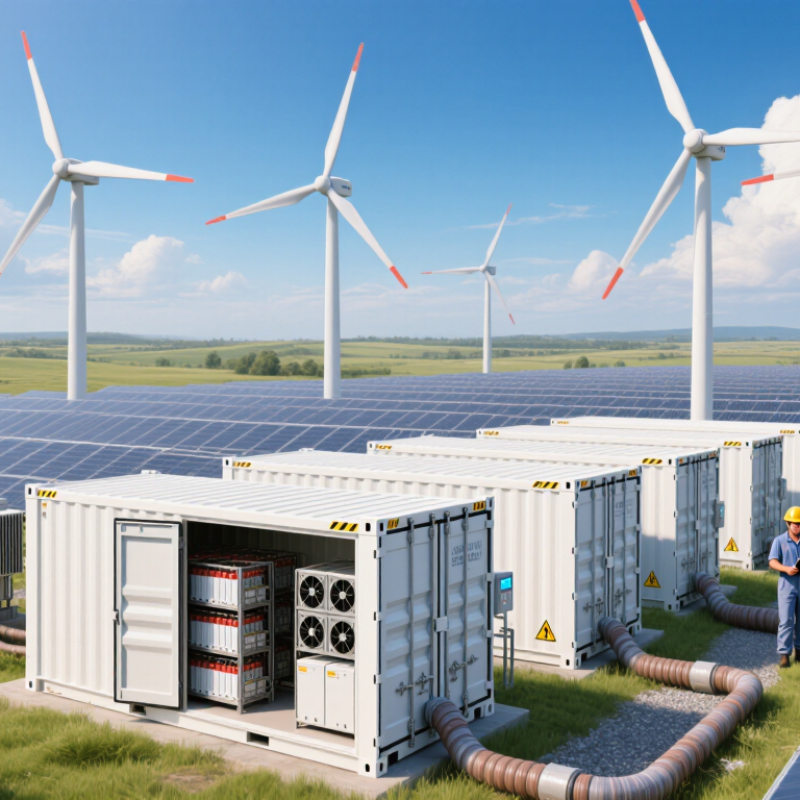
7 Tips How Renewable Integration Shapes Storage Design?

Renewable Integration and Its Role in Storage Design

Renewable integration changes storage from a simple energy container into a flexible grid asset. Solar output can fall sharply when a cloud crosses the site. Wind generation may weaken within minutes. Designers must study local generation curves, interconnection limits, and hourly demand before selecting battery capacity. A four-hour system may support evening peaks, but it can struggle during several dull winter days. That detail matters.

Storage design also depends on the service required. Frequency control needs rapid response and precise controls. Energy shifting needs longer duration and careful state-of-charge planning. Engineers should model round-trip losses, degradation, reserve requirements, and renewable curtailment. They should test cloudy, windy, and grid-constrained conditions, not only average weather. No model is perfect. A neat spreadsheet can still mislead.

Practical projects benefit from staged commissioning. Operators can compare predicted dispatch with fifteen-minute meter data, then adjust control limits. Thermal management, ventilation, fire detection, and maintenance access require equal attention. Grid studies should confirm fault behavior and protection coordination. Designers also need to consider future renewable expansion, because a battery sized for today may become undersized later. I have seen planning assumptions age faster than equipment. That shortcut deserves scrutiny.

Assessing Grid Needs Before Choosing Storage Technologies

7 Tips How Renewable Integration Shapes Storage Design?

Assessing Grid Needs Before Choosing Storage Technologies

Storage should begin with the grid, not the technology catalog. Map hourly demand, renewable output, and seasonal weather patterns. A solar-heavy site may need evening discharge, while wind integration can require longer coverage. Start there.

Seven practical checks guide the assessment. Measure ramp rates, peak demand, outage frequency, and grid congestion. Define whether storage must provide energy, capacity, frequency response, or backup power. These services require different power ratings and discharge durations. A two-hour system cannot solve a twelve-hour deficit. That gap matters.

Review the interconnection point and local voltage limits. Confirm available land, cooling needs, fire protection, noise restrictions, and maintenance access. Model degradation under real operating conditions, not ideal laboratory cycles. Include forecast errors and unexpected curtailment. Engineers should also test several weather years, because one mild year can create false confidence. Keep it practical.

Technology selection follows these findings. High-power applications may favor fast-response systems, while prolonged shortages need greater energy capacity. Safety records, supply reliability, recycling plans, and trained service teams deserve equal attention. Cost estimates should include replacement parts and performance losses. Some early assessments still overvalue nameplate capacity. That is a mistake worth revisiting.

Matching Storage Duration to Renewable Generation Patterns

7 Tips: How Renewable Integration Shapes Storage Design?

Matching Storage Duration to Renewable Generation Patterns

Storage design begins with the renewable profile, not a preferred battery size. A solar-heavy site may need four to eight hours of storage. It charges around midday and discharges after sunset. Wind projects often face longer, less predictable gaps. Several cloudy or calm days can change the required duration. Engineers should examine at least three years of hourly weather and production data. Fifteen-minute intervals reveal ramps that daily averages hide.

Duration is only half the decision. The system also needs enough power for sudden output drops or demand surges. A high-power, short-duration unit can stabilize frequency quickly. A larger energy reservoir can shift renewable power across an evening or overnight period. Round-trip efficiency, temperature, degradation, and reserve requirements affect the usable capacity. These details often make the nameplate rating look more impressive than the delivered energy.

Forecasting improves operations, but it does not remove uncertainty. Storms still arrive early. Calm periods still last longer than expected. I have seen early designs rely too heavily on average conditions and underestimate rare events. A more reliable approach tests normal, difficult, and extreme years. Storage controls should also leave room for emergency reserves. Designers may need to revise the balance between duration and power after observing real operation. That adjustment is not failure. It is evidence.

Designing for Power Quality, Safety, and System Flexibility

7 Tips How Renewable Integration Shapes Storage Design

Designing for Power Quality, Safety, and System Flexibility

Renewable generation changes quickly. Clouds can reduce solar output within minutes, while wind ramps can disturb voltage stability. Storage design must respond to these events, not only store excess energy. During commissioning projects, engineers often measure voltage flicker, frequency deviation, and harmonic distortion at the connection point. These readings reveal problems that simulations may miss. Power converters need suitable controls, fast response times, and clear operating limits. A battery can provide energy, but it cannot correct every grid disturbance.

Safety begins with the site, not the equipment cabinet. Designers should examine flood exposure, fire separation, ventilation, emergency access, and cable routing. Thermal monitoring must detect unusual temperature rises early. Independent protection systems add resilience when software behaves unexpectedly. Small details matter. A blocked service path can delay an emergency response. Local codes and utility requirements should guide each decision, with qualified professionals verifying the final design.

Flexibility also requires honest assumptions. Forecasts are never perfect. A system sized for today’s solar profile may struggle after future capacity expands. Modular power blocks, adjustable reserve settings, and spare connection capacity can preserve options. Yet excessive flexibility increases cost and control complexity. That trade-off deserves careful review. In one project, a larger battery looked attractive, but improved forecasting reduced the required capacity. The original plan was not wrong, only incomplete. Good storage design keeps questioning its own assumptions.

Optimizing Storage Costs, Operations, and Future Expansion

Renewable integration shapes storage more than battery size. In project reviews, I have seen strong solar output hide weak evening performance. Designers should study hourly generation, cloud movement, and local demand. A five-minute data set can reveal ramping problems that monthly averages miss. Use realistic weather years, not only ideal forecasts.

Control operating costs by matching duration to the grid task. A two-hour system may support evening peaks, while longer storage may reduce curtailment. Set clear charging limits. Deep cycling every day can increase degradation and replacement costs. Keep reserve capacity for sudden forecast errors. Small details matter. Cooling loads can rise sharply on hot afternoons. Auxiliary power must enter the financial model, too.

Plan expansion before pouring the foundation. Leave space for extra racks, inverters, cables, and safe maintenance access. Design the control system for new assets, but avoid paying for unused capacity today. This balance is difficult. Models often underestimate connection delays and future price changes. I would review assumptions every six months, especially after the first operating season. Field measurements should challenge the original design, not merely confirm it. A practical storage plan connects cost, dispatch rules, thermal behavior, and future construction limits.

FAQS

What should be assessed before selecting an energy storage technology?

Study hourly demand, renewable output, weather patterns, and grid constraints. Technology comes later.

How does solar generation influence storage duration?

Solar-heavy sites often charge near midday and discharge after sunset. Four to eight hours may fit many evening needs.

Why can wind projects require longer storage?

Wind output can remain low during several calm days. Designers should examine multiple weather years, not one average year.

Is storage duration the only important sizing factor?

No. Power rating also matters during sudden output drops, demand surges, or frequency events.

What information can short time intervals reveal?

Five- or fifteen-minute data can expose sharp ramps. Daily averages may hide them completely.

Which site conditions affect storage design?

Review land, cooling, fire protection, noise limits, voltage limits, and maintenance access. Small details become expensive later.

How should costs be estimated realistically?

Include auxiliary power, cooling, degradation, replacement parts, performance losses, and connection delays. Nameplate capacity can mislead.

How can a project prepare for future expansion?

Reserve space for racks, inverters, cables, and safe access. Avoid paying for unused capacity today.

Should storage controls keep emergency reserves?

Yes. Forecasts can fail, storms can arrive early, and calm periods can last longer. Reserves provide useful flexibility.

How should the original design be reviewed after operation begins?

Compare field measurements with the original model every six months. The model may need revision. That is not failure.

Conclusion

How renewable energy integration affects storage design is becoming a central question for modern power systems. As solar and wind generation grow, storage must be designed around the grid’s specific needs rather than selected as a one-size-fits-all solution. Developers should first assess demand patterns, renewable variability, transmission constraints, and the required response speed. Short-duration systems may help manage daily fluctuations and peak demand, while longer-duration storage can support extended periods of low renewable output.

Effective storage design also requires attention to power quality, safety, operational flexibility, and future expansion. Systems should be capable of responding to changing grid conditions, supporting stable voltage and frequency, and operating reliably under different environmental and load conditions. At the same time, careful planning of capacity, control strategies, maintenance, and lifecycle costs can improve economic performance. By coordinating technology choices with renewable generation patterns and long-term grid goals, storage can deliver greater reliability, efficiency, and adaptability.

Oliver

Oliver

Oliver is a seasoned marketing professional with a wealth of expertise in driving brand awareness and engagement. With a deep understanding of our company's product offerings, he consistently delivers high-quality content that enriches our professional blog. His insights not only shed light on......