How China Top Modular Energy Storage Simplifies Expansion?

Time:2026-09-24 Author:Isabella
0%

China’s modular energy storage industry is changing how large battery systems are planned, installed, and expanded. Instead of building one oversized unit, developers can begin with several standardized battery containers. They can then add modules as electricity demand grows. This approach reduces the pressure of forecasting future demand perfectly.

How modular energy storage simplifies system expansion is visible at the project site. A new container can arrive by truck, connect to an existing power conversion system, and join the energy management platform. Engineers can inspect battery racks, cooling pipes, fire detection equipment, and cable routes in clearly separated sections. Expansion becomes more measured. It also becomes easier to schedule around factory loads, solar production, and grid requirements.

Dr. Imre Gyuk, a leading energy storage authority at the U.S. Department of Energy, said, “Energy storage is the key to unlocking the full potential of renewable energy.” His observation supports the wider value of flexible storage, although modular design is not automatically simple. Software compatibility, battery degradation, thermal management, and safety testing still demand expert oversight. Standards such as UL 9540 and UL 9540A may guide system evaluation in relevant markets, while local Chinese requirements also shape project design.

The strongest advantage is practical visibility. Operators can replace or isolate one module without stopping the entire plant. That sounds convincing. Yet expansion can create uneven battery ages and complicated warranties. A reliable strategy therefore needs common interfaces, accurate monitoring, documented maintenance, and realistic cost modeling. China’s leading modular projects show strong manufacturing discipline, but performance still depends on site conditions, grid rules, and long-term operation. That part deserves more attention.
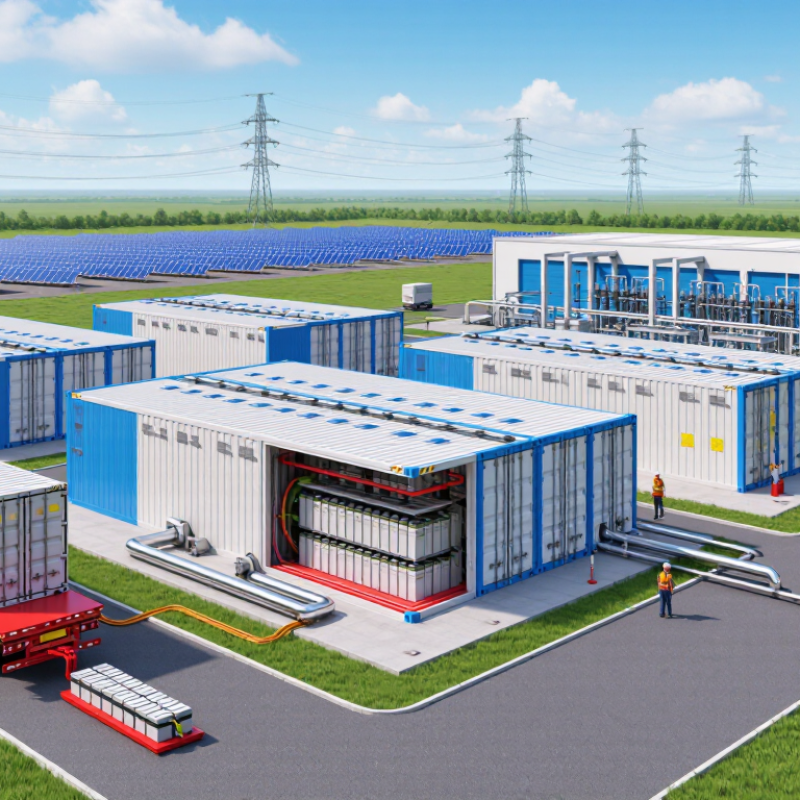
How China Top Modular Energy Storage Simplifies Expansion?

China’s Modular Energy Storage Capacity Reached 31.39 GW by 2023 (NEA)

China’s modular energy storage capacity reached 31.39 GW by 2023, according to the National Energy Administration (NEA). That figure signals more than rapid construction. It shows how standardized battery blocks can support a grid that changes by region and season. A modular system uses repeatable units, power conversion equipment, controls, and safety enclosures. Operators can add units without rebuilding the entire site. That is the practical advantage.

In field planning, expansion often begins with a small installation near a solar plant or load center. As demand grows, additional modules can be connected, tested, and monitored in stages. This approach may reduce construction disruption and make spending easier to schedule. It also helps engineers isolate a faulty unit while other units continue operating. Yet modularity is not effortless. Grid studies, fire protection, thermal management, and software coordination still require careful review. A larger cabinet count can increase inspection work, cable complexity, and land use. The numbers can look simple.

The 31.39 GW figure should therefore be read with context. Capacity does not equal daily discharge, and installed projects may operate under different market rules. Reliable evaluation needs data on duration, availability, degradation, response time, and safety performance. From an engineering perspective, expansion succeeds when modules match local grid needs, not when capacity alone becomes the target. Some projects will need redesign after real operation reveals uneven loads or maintenance constraints. That is not failure. It is useful evidence for the next phase.

How China’s Top Modular Energy Storage Simplifies Expansion — China’s Modular Energy Storage Capacity Reached 31.39 GW by 2023 (NEA)
Data Dimension China’s 2023 Value What It Means for Modular Expansion
New-Type Energy Storage Power Capacity 31.39 GW China’s installed new-type energy storage power capacity reached approximately 31.39 GW by the end of 2023, creating a large market for scalable, repeatable storage blocks.
Average Energy Storage Duration 2.1 hours The national average duration indicates that many projects can be expanded by adding standardized power-and-energy modules rather than redesigning the entire system.
Implied Stored-Energy Capacity Approximately 65.9 GWh This estimate is calculated as 31.39 GW × 2.1 hours. Modular systems can increase usable energy capacity by adding parallel battery or storage containers.
Dominant Storage Technology Lithium-ion batteries: approximately 97% The strong concentration of lithium-ion technology supports standardized components, repeatable engineering, and faster capacity additions across compatible projects.
Year-on-Year Capacity Growth Approximately 260% The rapid increase highlights why modular architectures are valuable: capacity can be deployed in stages as grid needs, renewable generation, and investment plans develop.
Primary Expansion Approach Add standardized modules Additional battery containers, power-conversion units, transformers, and control equipment can be integrated in phases, helping reduce construction disruption and simplify future upgrades.
Source: National Energy Administration of China (NEA), 2023 new-type energy storage statistics. The implied stored-energy figure is a calculation based on reported power capacity and average duration; it is not a separately reported NEA statistic.

Core Modules: Battery Racks, PCS, BMS, EMS, and Container Systems

How China’s Top Modular Energy Storage Simplifies Expansion?

China’s modular energy storage systems divide capacity into practical building blocks. Battery racks store electricity in parallel cabinets, while PCS units convert direct current into grid-compatible alternating current. BMS monitors cell voltage, temperature, and state of charge. EMS then coordinates dispatch, alarms, and renewable generation. Container systems protect these components from dust, rain, and temperature swings.

The International Energy Agency reported in Batteries and Secure Energy Transitions 2024 that global battery storage capacity must increase sixfold by 2030, reaching 1,200 GW, to support clean-energy targets. Modular architecture helps developers add racks without redesigning the entire plant. A new container can arrive with factory-tested wiring and preconfigured communication points. That reduces construction disruption.

Small steps matter.

BloombergNEF’s 2024 Battery Price Survey recorded an average lithium-ion pack price of 115 dollars per kWh, down 20% from 2023. Lower prices improve expansion economics, but field experience shows integration remains difficult. Different rack temperatures can create uneven aging. Weak EMS settings may also cause unnecessary cycling. Engineers should verify thermal performance, protection coordination, and data accuracy before adding capacity. IEC 62933 guidance can support safer system planning, although compliance documents alone cannot replace commissioning tests.

Standardized Designs Reduce Costs as Battery Prices Fell to $139/kWh (BNEF)

Standardized modular design is changing how China’s energy storage projects scale. A containerized battery block can be tested, shipped, and connected with fewer site-specific changes. This matters as battery costs fall. BloombergNEF reported an average lithium-ion pack price of $139 per kilowatt-hour in 2023, down 14% from 2022. Lower cell prices do not automatically create cheaper projects. Integration, land, cooling, safety systems, and financing still shape the final bill.

Expansion becomes more predictable when each block uses repeatable dimensions, interfaces, and control logic. Engineers can add capacity in defined increments instead of redesigning an entire plant. The International Energy Agency reported nearly 42 gigawatts of new battery storage capacity in 2023. Deployment increased sharply year over year. That growth increases pressure for faster procurement and dependable commissioning. Standard drawings can shorten review cycles, while factory testing helps expose wiring or thermal faults before delivery.

Still, standardization has limits. Grid codes, weather, fire rules, and network constraints vary across Chinese project sites. A copied design may fit poorly in a humid coastal location or a cold northern installation. The numbers need scrutiny. Pack-price data excludes many balance-of-system costs, and field performance can diverge from laboratory ratings. Project teams should compare usable energy, degradation, round-trip efficiency, and replacement schedules, not only dollars per kilowatt-hour. Field verification remains essential before repeating a design at scale.

Stepwise Expansion: Add 20–40-Foot Storage Containers Without Redesign

Stepwise expansion changes how large storage projects are planned. Instead of sizing the entire site on day one, operators can begin with one 20- or 40-foot container. Each later unit follows the same layout, connection points, and operating logic. This approach matches real demand more closely. It also protects cash flow when load forecasts remain uncertain. In field planning, clear spacing matters as much as battery capacity. Leave room for access, ventilation, lifting equipment, and safe maintenance. Small details prevent expensive rearrangement.

A modular design should reserve transformer capacity, cable routes, and communication ports from the beginning. The control system must recognize added containers without a complete software rebuild. Engineers should test protection settings as each unit joins the bus. Otherwise, a system that worked at 500 kWh may behave differently at 2 MWh. Expansion is not automatic. Grid studies, fire protection reviews, grounding checks, and local approvals may still be required. Documentation also needs updating after every installation. Real projects often expose gaps in the original design.

Tips: Use identical container footprints whenever possible. Mark future equipment pads on civil drawings. Keep spare conduit paths available. Record inspection dates and battery health trends. Compare actual peak demand with forecasts every quarter. Do not add capacity only because space is available. A slower expansion can be safer and cheaper. Review emergency access with local responders. Ask whether the next container improves resilience, revenue, or simply creates more maintenance. That question is easy to skip. It should not be.

How Modular Energy Storage Simplifies Expansion

Stepwise expansion allows storage capacity to grow by adding standardized 20-foot or 40-foot containers. The reference values below use approximately 2.5 MWh per 20-foot container and 5 MWh per 40-foot container; actual capacity varies by battery chemistry, usable depth of discharge, and system design.

Because each expansion step uses a repeatable containerized block, projects can increase capacity in stages without redesigning the entire storage site.

Performance and Grid Value: Typical Round-Trip Efficiency Reaches 85–95%

How China’s Top Modular Energy Storage Simplifies Expansion

Modular energy storage is changing how Chinese grid projects grow. Operators can begin with a manageable block and add capacity as demand increases. This reduces the risk of oversized investments during uncertain load growth.

A typical system reaches 85–95% round-trip efficiency under suitable operating conditions. In simple terms, 100 kilowatt-hours stored may return 85–95 kilowatt-hours later. The remaining energy becomes heat, conversion loss, or auxiliary consumption.

That performance depends on battery temperature, power level, state of charge, and maintenance quality. Real projects rarely operate under laboratory conditions. A hot afternoon, frequent cycling, or an aging cooling system can reduce efficiency.

Site engineers should measure performance at the point of connection, not only from factory data. This approach improves credibility and supports better financial planning.

Practical Grid Value

Modular design also creates practical grid value. Additional units can support peak shaving, renewable integration, and short-term frequency response. Expansion can follow a substation’s actual needs instead of a fixed forecast. That flexibility matters when solar output changes within minutes.

However, adding modules is not automatically simple. Protection settings, fire safety, control coordination, and cable capacity must be reviewed each time.

The efficiency figure is important, but availability may matter more. A highly efficient system that cannot respond on demand offers limited value. Field results should remain the final test.

FAQS

How does a standardized modular design reduce storage project costs?

It uses repeatable container sizes, cable routes, interfaces, and control logic. Factory testing can find wiring or thermal faults before shipment. Site changes may decrease. They never disappear completely.

Can operators expand a storage system without redesigning the whole site?

Often, yes. Operators can add matching 20- or 40-foot containers in defined stages. The site should reserve transformer capacity, cable paths, communication ports, and equipment pads. Expansion is not automatic.

Why might stepwise expansion protect project finances?

Operators can match capacity with real demand instead of uncertain forecasts. They avoid paying for unused storage too early. Cash flow may improve. Forecasts can still be wrong.

What physical space should a modular storage site reserve?

Leave clear areas for ventilation, lifting equipment, inspections, emergency access, and safe maintenance. Mark future container pads on civil drawings. Small details matter.

What does 85–95% round-trip efficiency mean?

Storing 100 kilowatt-hours may return about 85–95 kilowatt-hours later. The difference becomes heat, conversion loss, or auxiliary consumption. Actual results vary.

What can reduce real-world storage efficiency?

High temperatures, frequent cycling, aging cooling equipment, and high power levels can reduce performance. Factory figures may look better than field results. Measure at the grid connection.

What grid services can added storage modules provide?

Extra units may support peak shaving, renewable integration, and short-term frequency response. They can follow changing substation needs. More capacity does not always create more value.

What checks are needed before adding another container?

Review protection settings, fire safety, grounding, cable capacity, control coordination, and local approvals. Update drawings and inspection records. Test the system again.

Should teams compare only battery prices?

No. They should compare usable energy, degradation, efficiency, replacement schedules, integration, cooling, land, and financing. A low cell price can hide major project costs.

When should a team stop expanding?

Stop when the next unit adds maintenance without improving resilience, revenue, or grid performance. Review actual peak demand every quarter. Space alone is not a reason.

Conclusion

China’s modular energy storage capacity reached 31.39 GW by 2023, reflecting growing demand for flexible systems that can adapt as energy needs change. These installations bring together battery racks, power conversion systems, battery management systems, energy management systems, and containerized equipment. Standardized designs help simplify integration and can reduce project costs, while falling battery prices—reported at $139 per kilowatt-hour—make storage increasingly accessible.

How modular energy storage simplifies system expansion is through a step-by-step approach: operators can add compatible 20- or 40-foot storage containers as demand grows, without redesigning the entire installation. This makes it easier to scale capacity over time while preserving a consistent system layout. Typical round-trip efficiency of 85–95% also supports effective energy shifting and can add value to grid operations, helping modular storage serve changing requirements with less disruption.

Isabella

Isabella

Isabella is a dedicated marketing professional with a sharp focus on driving brand growth and engagement through strategic content creation. With an extensive background in digital marketing, she combines her passion for storytelling with her keen understanding of industry trends to deliver......