How to monitor energy storage systems remotely is becoming a practical necessity in 2026, not merely a technical preference. Battery sites now operate across factories, solar farms, commercial buildings, and remote communities. Operators need reliable visibility into state of charge, temperature, voltage, current, alarms, and energy throughput. A quiet dashboard can still hide a serious problem.
Dr. Imre Gyuk, a recognized energy storage authority, has said, “Energy storage is the key to a clean energy future.” Remote monitoring helps turn that vision into daily practice. It connects battery management systems, inverters, meters, and thermal sensors through secure communication networks. Data can then reach a cloud platform or private control center for analysis. Good systems show trends, not only emergencies. They identify unusual temperature increases, cell imbalance, repeated inverter trips, and declining capacity before failures become expensive.
The process is not flawless. Sensors drift. Networks fail. Some alarms arrive late. That matters.
A dependable monitoring strategy therefore combines automated alerts with human review. It should record who changed a setting, when the change occurred, and why. Access controls, encryption, software updates, and backup communications also deserve attention. Field experience shows that simple interfaces often outperform crowded screens during stressful events. This guide examines the tools, workflows, and limitations behind remote battery supervision. It also considers a difficult question: are operators monitoring the battery, or merely watching data move?
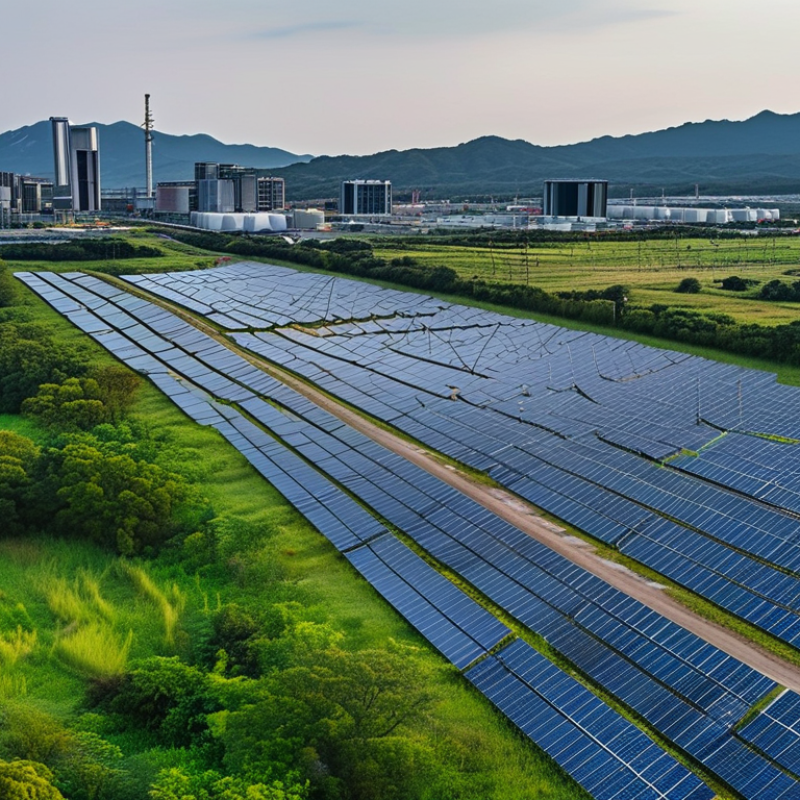
In 2026, remote monitoring should turn battery data into clear operating decisions. Operators need reliable readings for state of charge, state of health, voltage, current, temperature, and power output. Sampling intervals matter. A five-minute update may support routine reporting, but abnormal temperature changes require faster alerts. Data should also show operating context, including weather, load demand, charging schedules, and recent maintenance.
Experience from field operations shows that clean data is not enough. A dashboard can still mislead when sensors drift or timestamps conflict. Each system should validate incoming values, flag missing records, and preserve an audit trail. Access controls should match job responsibilities, while encrypted connections and regular software updates reduce avoidable security risks. Human review remains important. Automation sometimes reacts correctly to bad information.
Tips: Set alarm thresholds with engineers, not guesswork. Compare remote readings with scheduled inspections. Keep a monthly data-quality log. Test notification routes during quiet periods. Record why operators changed limits. A useful alert should explain the problem, location, severity, and recommended action. Smaller sites may need simpler dashboards, while larger fleets require role-based views and trend analysis. Perfect monitoring is unrealistic. Continuous improvement is the safer goal.
Remote monitoring starts with accurate sensors. Temperature probes track cell, cabinet, and ambient conditions. Voltage sensors reveal imbalance between battery modules. Current sensors measure charging and discharging changes. Pressure and humidity sensors can detect unusual cabinet conditions. These details matter during hot afternoons, cold nights, and sudden load changes. A single abnormal reading should trigger investigation, not immediate replacement.
Meters provide the system’s operating context. They record energy flow, power quality, state of charge, and round-trip efficiency. A bidirectional meter can show whether the system is charging from the grid or supplying a facility. Compare meter data with inverter readings and battery records. Small differences are normal. Large differences may indicate calibration errors, wiring faults, or communication delays. Time synchronization is easy to overlook.
Controllers turn measurements into useful action. An edge controller collects sensor signals, applies operating limits, and sends selected data to a remote platform. It can issue alerts when temperature rises quickly or voltage drifts beyond a defined range. Local control should continue during network outages. Cloud access alone is not enough. During commissioning, technicians should test alarms with real signals, not only software simulations. This step often exposes missing tags, weak connections, or thresholds set too tightly. No sensor is perfect. Periodic calibration, access control, encrypted communications, and clear maintenance records make remote decisions more dependable.
Connecting storage assets to a cloud monitoring platform turns scattered field data into an operational view. Battery racks, inverters, meters, and thermal sensors can report through a secure gateway. The platform should normalize these signals before displaying them. Otherwise, a voltage reading may look comparable when its units or sampling times differ. Clear asset naming also matters. A technician should identify a rack, site, and alarm without opening several screens.
Reliable monitoring needs more than colorful dashboards. Track state of charge, temperature, cell imbalance, charge cycles, power quality, and communication status. Set alert thresholds with operating context. A high temperature during rapid charging may require faster action than the same value during standby. Keep event logs, configuration changes, and maintenance notes together. This creates an auditable record for engineers and supports careful remote decisions. Access controls, encryption, backups, and regular gateway updates should be treated as routine safeguards.
Tips: Start with a small pilot site. Compare cloud readings with local instruments for several weeks. Test alerts during weak network conditions, not only in perfect weather. I have seen teams trust a dashboard too quickly, then discover delayed timestamps during an incident. That mistake is avoidable, but not always. Allow manual verification. Review false alarms monthly. Improve the system slowly, with evidence from real operating conditions.
Remote monitoring becomes useful when the dashboard supports decisions, not just data collection. Connect battery racks, inverters, meters, and environmental sensors to one secure view. Show state of charge, power flow, temperature, voltage, and communication status. Use five-minute trends for routine reviews, then open one-minute data during abnormal events. An operator should understand the screen within seconds. That standard is practical, not perfect.
Configure alerts around operating limits and changing conditions. Set separate thresholds for warning, action, and emergency review. A rising cell temperature may require inspection before a shutdown occurs. Send alerts through controlled channels, including the asset, timestamp, reading, and suggested check. Test every alert monthly. Some alerts will prove noisy. That is valuable feedback. If operators ignore repeated messages, the configuration is already failing.
Reports should turn scattered readings into reliable evidence. Schedule daily summaries for operations and monthly reports for reliability reviews. Include availability, peak demand, charge-discharge cycles, alarm history, temperature extremes, and unresolved events. Compare current behavior with a defined baseline, not memory. Keep time settings consistent across devices, or trends may mislead the team. Clean charts can still hide missing sensor data. Record gaps openly, review assumptions, and revise thresholds after confirmed field observations. Human checks still matter.
Remote monitoring snapshot for anonymized battery energy storage sites | Reporting date: September 13, 2026 | All times shown in UTC
| Site ID | Region | Rated Power | Usable Capacity | State of Charge | Power Setpoint | Round-Trip Efficiency | Availability | Average Cell Temperature | Active Alerts | Last Data Sync | Daily Energy Throughput | Report Status |
|---|---|---|---|---|---|---|---|---|---|---|---|---|
| ESS-001 | North Region | 10 MW | 20.0 MWh | 74% | +3.2 MW | 89.4% | 99.2% | 27.8 °C | 0 | 14:32:08 | 31.6 MWh | Complete |
| ESS-002 | Central Region | 8 MW | 16.0 MWh | 61% | -2.0 MW | 91.1% | 98.8% | 29.4 °C | 1 Warning | 14:31:55 | 24.8 MWh | Complete |
| ESS-003 | East Region | 12 MW | 24.0 MWh | 48% | +5.5 MW | 88.7% | 99.6% | 26.9 °C | 0 | 14:32:11 | 42.3 MWh | Complete |
| ESS-004 | South Region | 6 MW | 12.0 MWh | 82% | -1.4 MW | 90.2% | 97.9% | 31.2 °C | 2 Warnings | 14:30:47 | 18.5 MWh | Complete |
| ESS-005 | West Region | 15 MW | 30.0 MWh | 56% | +7.8 MW | 92.0% | 99.8% | 25.7 °C | 0 | 14:32:14 | 56.1 MWh | Complete |
| ESS-006 | Northeast Region | 10 MW | 20.0 MWh | 39% | +4.1 MW | 87.9% | 98.4% | 28.6 °C | 1 Warning | 14:31:26 | 29.7 MWh | Complete |
| ESS-007 | Southeast Region | 9 MW | 18.0 MWh | 67% | -3.6 MW | 90.8% | 98.9% | 30.1 °C | 0 | 14:32:02 | 27.4 MWh | Complete |
| ESS-008 | Southwest Region | 8.4 MW | 16.8 MWh | 71% | -2.8 MW | 89.8% | 97.5% | 32.0 °C | 1 Warning | 14:29:38 | 22.9 MWh | Complete |
Alert thresholds include abnormal temperature, communication latency above five minutes, availability below 98%, and operating conditions outside configured state-of-charge limits.
Remote monitoring of energy storage systems in 2026 must protect both data and physical assets. A secure setup uses encrypted connections, multi-factor authentication, and separate access roles. Operators should see only the controls they need. Keep detailed audit logs for every command, login, and configuration change. Test backup communication paths regularly. Small gaps matter.
Troubleshooting should begin with evidence, not assumptions. When an alarm appears, check its timestamp, sensor quality, and recent operating conditions. Compare cell voltage, temperature, state of charge, and power flow. A temperature spike may indicate cooling failure, sensor drift, or an actual battery risk. Do not reset alarms blindly. Use staged remote commands, and require local confirmation for high-impact actions. If data stops updating, inspect the gateway, network path, and power supply before changing system settings.
Optimization depends on clear trends rather than attractive dashboards. Review daily charge cycles, peak loads, temperature patterns, and communication delays. Adjust operating limits only after checking equipment specifications and maintenance records. Remote software updates should use signed packages, scheduled windows, and a tested rollback plan. Thresholds that are too sensitive create alarm fatigue; loose thresholds hide developing faults. Perfect monitoring is unrealistic. A missed sensor or unclear alert can still disrupt decisions. That weakness deserves regular review.
Battery racks, inverters, meters, and thermal sensors can report through a secure gateway. Clear asset names help technicians locate the correct site, rack, and alarm.
Show state of charge, temperature, cell imbalance, voltage, power flow, and communication status. Include charge cycles and power quality. Too many graphics can still confuse operators.
Standardize units, timestamps, asset names, and sampling intervals before showing readings. Otherwise, two voltage values may look comparable but describe different conditions.
Create separate warning, action, and emergency thresholds. Include the asset, timestamp, reading, and suggested check in every alert. Test alerts monthly. Some will be noisy.
Not always. A high temperature during rapid charging may need faster action than the same reading during standby. Operating context matters, although teams may overlook it.
Compare cloud values with local instruments for several weeks. Test during weak network conditions and abnormal events. Manual verification remains necessary. Dashboards are not perfect.
Daily reports can support operations. Monthly reports should include availability, peak demand, charge-discharge cycles, alarm history, temperature extremes, and unresolved events.
Record missing sensor data openly and review false alarms each month. Check delayed timestamps before trusting an incident timeline. A clean chart can still hide gaps.
Use access controls, encryption, backups, and regular gateway updates. Keep event logs, configuration changes, and maintenance notes together. Small omissions can weaken the record.
Yes. Start with one site and collect evidence for several weeks. Compare readings, test alerts, and revise thresholds slowly. The rollout may still need rethinking.
This guide explains how to monitor energy storage systems remotely in 2026 by combining reliable field data, secure connectivity, and practical cloud tools. It begins by identifying key monitoring goals, such as tracking battery state of charge, energy flows, temperature, system availability, efficiency, and operating trends. Sensors, power meters, battery management devices, and local controllers work together to collect accurate information and support timely decisions.
The article also explores how to connect storage assets to cloud monitoring platforms, configure real-time dashboards, create alerts for abnormal conditions, and generate performance reports for technical and operational teams. It highlights the importance of secure communication, user access controls, software updates, data backups, and clear troubleshooting procedures. By applying these practices, operators can understand how to monitor energy storage systems remotely, respond to issues more quickly, reduce unnecessary downtime, and optimize system performance while maintaining safe and dependable remote operations.

HK Charger