The shift towards renewable energy is transforming the energy landscape. One of the most significant impacts is seen in storage design. This change raises a crucial question: How renewable energy integration affects storage design?
As we integrate more solar and wind energy, the demand for efficient storage solutions increases. Traditional storage systems may not suffice in today's dynamic energy market. Energy fluctuations challenge existing designs, pushing innovations to the forefront. For instance, lithium-ion batteries have gained prominence due to their adaptability. However, they might not be the ultimate solution, leading to further exploration of alternatives.
The rise of renewable energy sources also necessitates reconsideration of location and capacity. Existing storage facilities may require retrofitting or expansion to meet new demands. This creates a pressing need for engineers and designers to rethink storage systems. They must embrace flexibility and sustainability. In doing so, they will not only enhance energy reliability but also address environmental concerns.
The Importance of Renewable Energy Integration in Modern Energy Systems
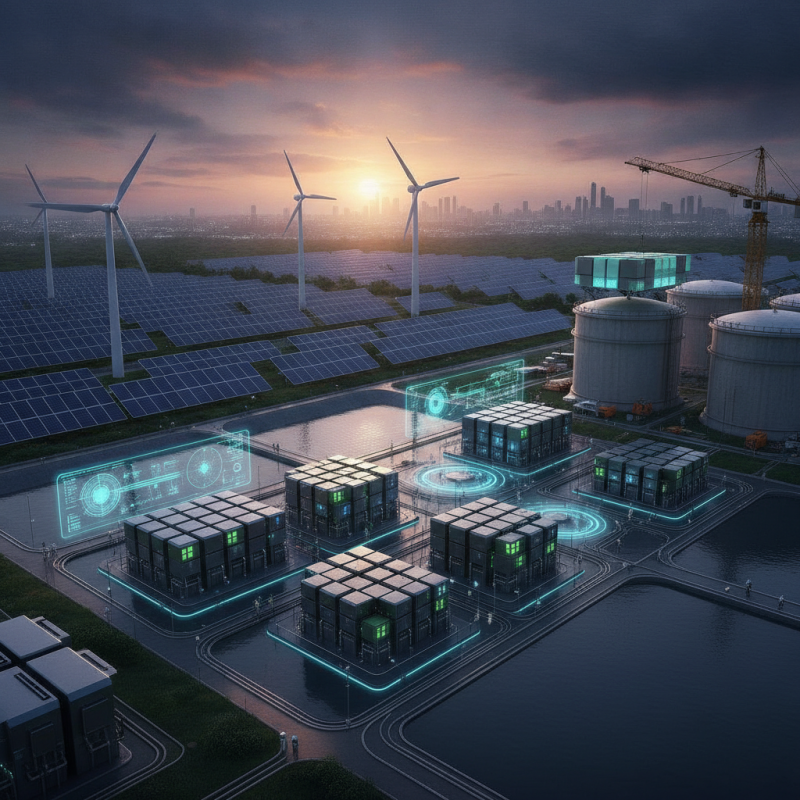
The integration of renewable energy is crucial in today’s energy frameworks. As various regions shift towards clean sources, this dynamic impacts storage design. Energy storage systems must adapt to handle the variability of solar and wind sources. It’s not just about capacity anymore; it’s about resilience and reliability.
Modern energy systems require innovative strategies. Battery storage is evolving to respond swiftly to fluctuating energy supply. Newer designs help bridge the gap between generation and consumption. However, challenges remain. Not all technologies work seamlessly across different environments. The varying efficiency of systems can hinder broader adoption.
Engaging with local communities can enhance the design process. Their insights can illuminate specific needs and preferences. While technical improvements are vital, human factors play an essential role. A collaborative approach may lead to better storage solutions. It is vital to reflect on these aspects while progressing in renewable integration.
Understanding the Role of Energy Storage in Renewable Energy Integration
Energy storage plays a pivotal role in integrating renewable energy sources like solar and wind. Studies show that storage systems can effectively balance supply and demand. According to a report from the International Renewable Energy Agency (IRENA), global energy storage capacity reached 16.5 gigawatts in 2020, facilitating better integration of renewables.
Batteries, pumped hydro, and other storage technologies help to smooth out fluctuations in energy production. For example, when the sun doesn't shine or the wind doesn't blow, energy storage systems release stored energy to maintain a stable grid. This ensures reliability, crucial for both residential and commercial users. However, there are challenges; significant initial costs and limited lifespan can impact the adoption rates of these technologies.
Tips: Invest in understanding local energy policies and available incentives. Evaluate the total lifecycle costs of storage options.
The reliability of energy storage is often questioned. Some systems may experience performance degradation over time. Yet, research highlights improvements in technology and efficiency. The U.S. Department of Energy reports that storage systems can reduce peak demand by up to 30%. This can significantly lower costs for energy users. Exploring these aspects can lead to better decisions for renewable energy strategies.
Key Factors Influencing Storage Design for Renewable Energy Systems
In the age of renewable energy, storage systems are evolving rapidly. The integration of solar and wind energy has a profound impact on storage design. According to a report by the International Renewable Energy Agency (IRENA), energy storage capacity is expected to reach 1,900 gigawatts by 2030. This rapid growth emphasizes the need for innovative storage solutions tailored to the unique characteristics of renewable energy sources.
Key factors influencing storage design include energy density, discharge duration, and cost-effectiveness. For instance, lithium-ion batteries dominate the market due to their high energy density and decreasing costs. A report from BloombergNEF indicates that lithium-ion battery costs dropped by 89% between 2010 and 2020. However, reliance on a single technology can pose risks. Variability in renewable generation necessitates diverse storage options that can handle fluctuations. Alternatives like pumped hydro and emerging technologies, such as flow batteries, offer promising solutions.
Furthermore, the geographic distribution of renewable resources complicates storage design. Not all regions experience the same amount of solar or wind energy. Adequate infrastructure must be developed to ensure efficient storage and distribution. This situation highlights the importance of strategic planning. The challenge is to balance reliability, cost, and environmental impact in a way that supports sustainable growth.
Technological Innovations Enhancing Storage Solutions for Renewables
The integration of renewable energy sources has prompted significant advancements in storage technologies. These innovations play a crucial role in balancing energy supply and demand. As the adoption of solar and wind energy increases, the need for efficient storage solutions becomes more apparent. Energy storage systems are evolving to manage fluctuations and provide reliability. This ensures that excess energy produced during peak generation can be harnessed for use during low generation periods.
New materials and battery technologies are enhancing performance and longevity. For example, solid-state batteries offer higher energy densities and improved safety compared to traditional lithium-ion systems. Innovations in flow batteries promise scalable solutions for large-scale energy storage. These technologies aim to address the intermittent nature of renewable energy sources, presenting real challenges. The commitment to researching alternative chemistries shows a proactive approach in tackling these complexities.
There are still hurdles to overcome. Cost efficiency remains a major concern in deploying these advanced storage systems. Continuous research is essential to lower costs and improve performance. Industry experts emphasize that while progress is noteworthy, the journey towards reliable and sustainable storage solutions is ongoing. As the sector evolves, maintaining clear communication about these developments will be vital for fostering trust in the technology.
Challenges and Solutions in Integrating Storage with Renewable Energy Sources
The integration of renewable energy sources like solar and wind presents unique challenges for energy storage design. According to the International Renewable Energy Agency (IRENA), energy generation from renewables is predicted to increase to 85% by 2050. Despite this promising projection, efficient storage solutions remain a significant hurdle. Fluctuations in energy production complicate the ability to match supply with demand.
One challenge is the variance in generation. For instance, solar energy spikes during the day and drops at night. This inconsistency requires advanced energy storage systems. A report from the U.S. Department of Energy notes that 50% of energy produced from renewables could be lost without adequate storage. This situation underscores the need for more innovative storage solutions, like lithium-ion batteries and pumped hydro storage.
Tip: Explore hybrid systems that combine different storage technologies. They can enhance reliability.
Another pressing issue is cost. Investment in new storage technologies can be prohibitive, with battery prices fluctuating significantly. According to Bloomberg New Energy Finance, battery prices fell by 89% between 2010 and 2020, yet a sustainable financial model for large-scale deployment remains elusive.
Tip: Consider demand management strategies to mitigate costs. They can be effective in balancing supply and optimizing storage use.
By focusing on practical innovations and strategies, we can better integrate storage with renewable energy sources while addressing these ongoing challenges.
Conclusion
The integration of renewable energy sources into modern energy systems is crucial for achieving sustainable and resilient power infrastructures. This shift necessitates a reevaluation of how renewable energy integration affects storage design, as effective energy storage solutions are essential for managing the intermittency and variability of renewable resources. Understanding the role of energy storage becomes pivotal in optimizing the efficiency and reliability of renewable energy systems.
Key factors influencing storage design include the type of renewable energy source, local energy demands, and technological advancements in storage solutions. Innovations such as advanced battery technologies and hybrid systems are enhancing the capabilities of energy storage. However, challenges persist, including cost-effectiveness and the need for a flexible grid. Addressing these challenges through strategic solutions will be essential in realizing the full potential of renewable energy integration and advancing storage design to support a sustainable energy future.

 HK Charger