What Safety Standards Should Energy Storage Systems Meet?

Time:2026-05-19 Author:Sophia
0%

Energy storage systems play a critical role in today's energy landscape. With the rise of renewable energy sources, their safety becomes paramount. As these systems are deployed in various settings, the question arises: What safety standards should energy storage meet? This inquiry is not just academic; it is vital for preventing accidents and ensuring user confidence.

Reliability in safety standards influences public perception and regulatory compliance. Many energy storage solutions face challenges like overheating or electrical failures. These incidents highlight the need for stringent safety guidelines. Industry experts advocate for standards that encompass design, operational procedures, and emergency protocols. This ensures that potential hazards are minimized.

Uncertainties linger about how these standards are enforced and measured. Different regions may adopt varying safety regulations, leading to confusion. This inconsistency calls for a unified approach. As technology evolves, ongoing reflection is needed to adapt safety practices. Energy storage systems must prioritize safety to foster innovation while protecting users. Meeting the necessary standards is essential for building a sustainable energy future.
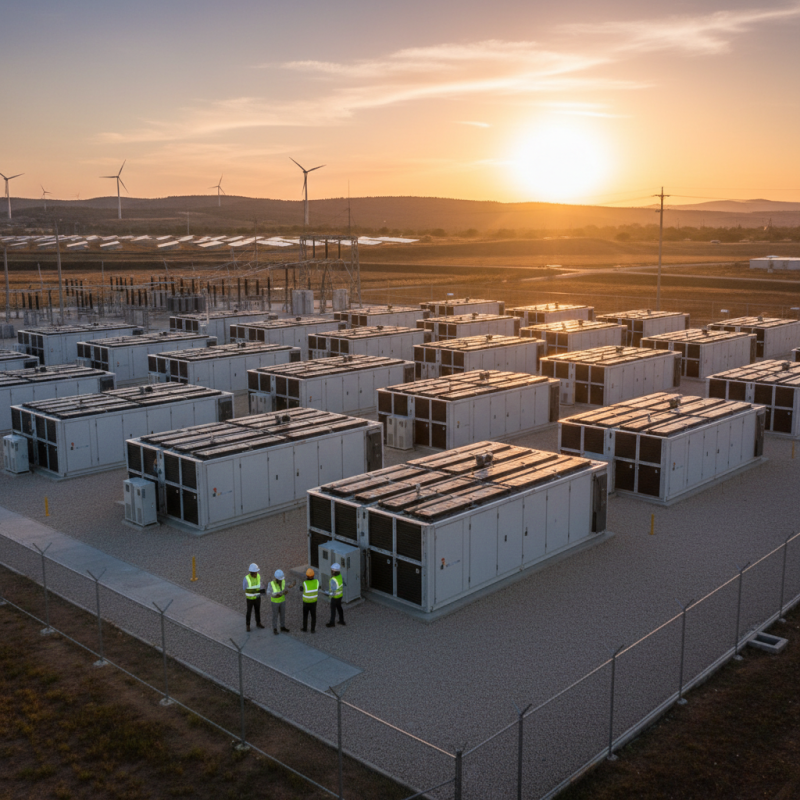
What Safety Standards Should Energy Storage Systems Meet?

Overview of Energy Storage Systems and Their Applications

Energy storage systems (ESS) play a crucial role in modern energy management. They are essential for integrating renewable energy sources, such as solar and wind power. ESS can store excess energy and release it when demand peaks. Their versatility makes them suitable for various applications, including residential use, grid stabilization, and industrial processes.

While energy storage systems offer numerous benefits, safety is a significant concern. Each system must adhere to strict safety standards. These standards ensure that the units are reliable and do not pose hazards. Different technologies, such as lithium-ion, flow batteries, and compressed air, have unique safety considerations.

Tip: Regular maintenance checks can enhance safety in energy storage systems.

Monitoring temperature and pressure levels is essential. High temperatures can lead to failures or hazards. Moreover, proper installation practices are vital. They ensure that systems operate efficiently without risks.

Tip: Always follow manufacturers’ guidelines for installation.

Understanding the specific requirements of each application can also aid in identifying potential risks. Knowledge of local regulations is critical. It helps ensure compliance and reduces liabilities. As the energy landscape evolves, staying updated on safety standards will be paramount for all stakeholders.

Importance of Safety Standards in Energy Storage Systems

Safety standards in energy storage systems are critical for ensuring reliability and public trust. These standards govern design, manufacturing, and operational practices. Meeting these requirements minimizes risks of accidents and failures. A consistent framework is essential to protect users and the environment.


Battery systems, for instance, must undergo rigorous testing. This includes assessments for thermal runaway, short circuits, and charging cycles. Such evaluations help identify potential hazards early. Clear labeling and documentation of safety features are also vital. It’s essential that users fully understand how to operate the systems safely.


Tips: Ensure regular maintenance of your energy storage system. This can help identify any wear or issues before they escalate. Always follow the manufacturer's guidelines for installation and operation. Educate yourself about the system's emergency procedures. Prioritize safety; it can save lives. Remember, overlooking small details can lead to significant consequences.

Key Regulatory Bodies and Their Guidelines for Safety

Energy storage systems (ESS) play a vital role in modern energy infrastructure. Safety is a major concern as these systems involve complex technologies. Key regulatory bodies oversee safety standards for ESS. Organizations such as the International Electrotechnical Commission (IEC) and Underwriters Laboratories (UL) set important guidelines. These standards cover cell design, system integration, and performance testing. Compliance with these guidelines ensures safe operation, but the industry still faces challenges.

One major challenge involves battery management systems (BMS). They are critical for monitoring health and performance. A malfunction in a BMS can lead to overheating or failure. Regulators must continuously update guidelines to address these evolving risks. Another ongoing issue is the recycling and disposal of battery materials. Regulations often lag behind advancements in technology. This creates potential hazards if materials are not managed properly.

Stakeholders must work closely with regulators. Regular updates on safety practices and technology trends are essential. Open dialogue can help address emerging safety concerns. These efforts will ultimately strengthen the reliability of energy storage systems. Consistency and vigilance are crucial to maintaining safety standards in this rapidly changing field.

Common Safety Standards for Different Energy Storage Technologies

Energy storage systems (ESS) play a vital role in modern energy management. Different technologies, such as batteries, flywheels, and pumped hydro storage, present unique safety challenges. Adhering to safety standards is essential to mitigate risks associated with these systems. The International Electrotechnical Commission (IEC) and Underwriters Laboratories (UL) provide guidelines that many systems strive to meet.

For lithium-ion batteries, the relevant standard is UL 1973. This standard focuses on fire safety and performance. According to a 2021 report from the National Renewable Energy Laboratory (NREL), around 32% of reported incidents in energy storage were related to battery thermal runaway. Safety standards aim to address these emerging risks effectively. The IEC 62619 standard further emphasizes performance and safety for secondary lithium-ion cells in ESS applications. However, compliance can be inconsistent across different manufacturers, raising concerns.

Flywheel energy storage systems face different risks, particularly mechanical failures. The American Society of Mechanical Engineers (ASME) outlines standards for these systems, focusing on materials and mechanical integrity. A study from the Electric Power Research Institute (EPRI) states that insufficient design could lead to catastrophic failures. These challenges reveal the necessity for stringent adherence to safety practices. The industry must prioritize research and development to enhance safety technologies continually.

Challenges and Future Directions in Improving Safety Standards

The safety of energy storage systems (ESS) faces significant challenges. A study from the National Renewable Energy Laboratory indicates that around 30% of reported incidents involve battery thermal runaway. This illustrates the need for rigorous safety standards to reduce failure risks. Inadequate standards can lead to catastrophic failures, highlighting the urgency for improvement.

Current safety regulations often lag behind technological advancements. Experts advocate for a standardized set of metrics tailored for ESS. For instance, the adoption of fire safety protocols, including thermal management and containment strategies, remains inconsistent industry-wide. In 2021, nearly 20% of energy storage systems experienced some form of failure due to lack of compliance with existing standards.

The path ahead requires collaborative efforts between industry stakeholders and regulatory bodies. Regular reviews and updates to safety standards are necessary as technologies evolve. As we push for innovation, the focus must simultaneously remain on bolstering safety. This dual approach is not only essential for public confidence but also for the sustainable growth of the energy storage sector.

FAQS

: What role do energy storage systems (ESS) play?

: ESS are crucial in modern energy infrastructure, enhancing energy management.

Why is safety a major concern for ESS?

Safety is critical due to the complex technologies involved in these systems.

Who regulates safety standards for energy storage?

Organizations set guidelines, including the International Electrotechnical Commission and Underwriters Laboratories.

What issues do battery management systems (BMS) face?

A malfunction in a BMS can cause overheating or system failure.

How does technology advancement affect recycling regulations?

Regulations often lag behind technological progress, creating potential hazards in material management.

Why is open dialogue between stakeholders and regulators important?

It helps address emerging safety concerns and keeps safety practices up to date.

What specific risk do lithium-ion batteries pose?

They can experience thermal runaway, leading to fire hazards if not properly managed.

What standard addresses flywheel energy storage safety?

The American Society of Mechanical Engineers outlines standards focusing on mechanical integrity.

How can industry practices improve safety in energy storage?

Prioritizing ongoing research and development to enhance safety technologies is vital.

What is a significant challenge in compliance with safety standards?

Inconsistent compliance across manufacturers raises safety concerns within the industry.

Conclusion

Energy storage systems (ESS) play a crucial role in modern energy management, with applications ranging from renewable energy integration to grid stability. Understanding "what safety standards should energy storage meet" is essential for ensuring the reliability and safety of these systems. Safety standards are vital as they help mitigate risks associated with energy storage, safeguarding not only the technology itself but also users and the environment.

Various regulatory bodies establish guidelines to govern the safety of energy storage technologies, which include batteries, flywheels, and pumped hydro storage. Despite existing standards, challenges remain in consistently applying these guidelines across different technologies. As the energy landscape evolves, future directions must focus on developing more comprehensive safety standards that address emerging technologies and enhance overall safety in the sector.

Sophia

Sophia

Sophia is a dedicated marketing professional with an exceptional depth of knowledge about her company's products and services. With a keen understanding of market trends and customer needs, she crafts insightful blog posts that not only inform but also engage readers, enriching the company’s online......