Deploy high-performance, climate-engineered technology built to preserve operations under grid instability and environmental extremes.
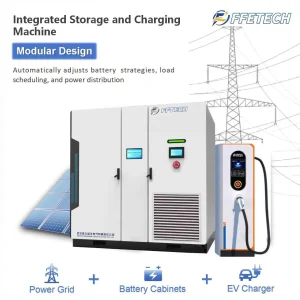
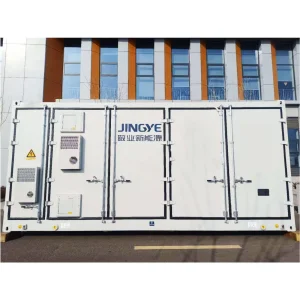
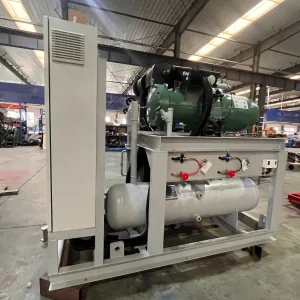
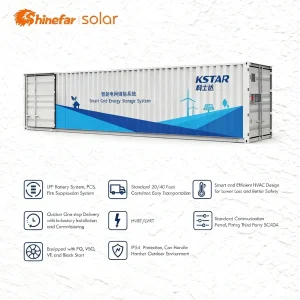
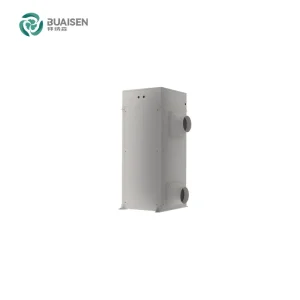
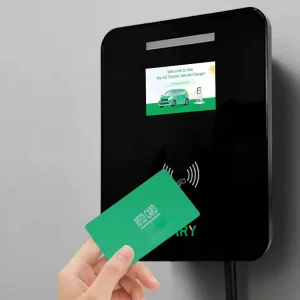
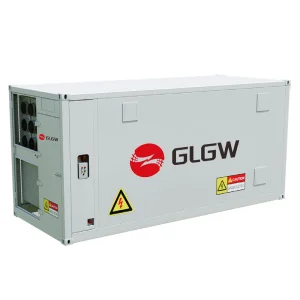
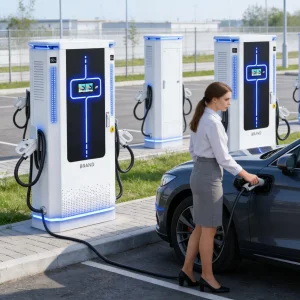
Hangzhou HK Charger Co., Ltd. is a leading manufacturer specializing in home, commercial, and industrial energy storage solutions, providing innovative systems for renewable integration, load balancing, and intelligent energy management. The company focuses on delivering reliable, efficient, and scalable energy storage products to meet the growing demand for clean, sustainable power.
HK Charger’s portfolio includes centralized and distributed storage systems, mobile and modular battery units, and hybrid solutions that seamlessly integrate with solar, wind, and other renewable energy sources. Each system is designed with smart monitoring, real-time performance tracking, and advanced load balancing capabilities, ensuring optimal energy efficiency, cost savings, and grid stability across various applications.
Committed to sustainability and technological innovation, Hangzhou HK Charger emphasizes intelligent energy management features, including remote monitoring, predictive maintenance, and scalable modular design. These solutions enable homeowners, businesses, and industrial operators to optimize energy usage, reduce peak demand charges, and maintain reliable power supply even in off-grid scenarios.
With strict adherence to international quality and safety standards, continuous R&D investment, and a customer-focused approach, Hangzhou HK Charger Co., Ltd. has established itself as a trusted China manufacturer in the energy storage industry. The company’s mission is to provide smart, efficient, and sustainable energy storage solutions that empower users to integrate renewable energy, enhance operational efficiency, and contribute to a greener future.
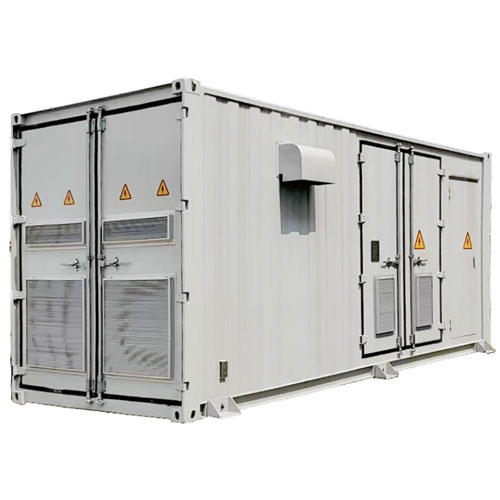
Liquid Cooled BESS Modules
Ultra-Fast Charging Output
Ingress Protection Rating
Inverter Efficiency Level
Industrial operations face unprecedented energy security hurdles. Modern grids are coping with dynamic thermal loads, shifting frequency demands, and the urgent integration of localized microgrids.
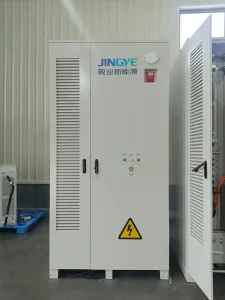
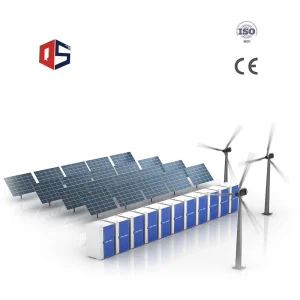
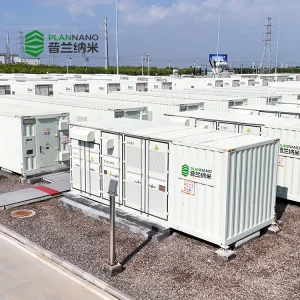
Critical sites transition to hybrid systems. Combined utility power, on-site solar, and liquid-cooled BESS containers safeguard processes from blackouts caused by extreme heat and high winter demands.
Modern batteries degrade rapidly when operated above 35°C. Active liquid cooling systems dissipate heat evenly, increasing lifespan, energy capacity, and preventing thermal runaways in harsh climates.
Fluctuating solar outputs demand sub-millisecond response interfaces. Smart battery setups stabilize voltages at scale, handling heavy industrial loads, automated production, and EV fast-charging demand surges.
Procurement directors and systems engineers prioritize certified reliability, integration flexibility, and long-term cost benefits. Below is a breakdown of enterprise engineering standards.
| Parameter | Standard Specification | Operational Value |
|---|---|---|
| Grid Compliance | IEEE 1547, UL 1741, CE, G99 | Ensures seamless grid interconnectivity without dynamic phase distortions. |
| Thermal System | Active Liquid Cooling (Water-Glycol) | Achieves <3°C temperature difference between cell packages, extending lifespan. |
| Safety Standards | UL 9540A testing, IEC 62619 | Prevents progressive thermal propagation, securing commercial installations. |
| Enclosure Protection | IP55 / NEMA 3R to IP66 ratings | Resists salt air, desert sand dust, and heavy storm moisture. |
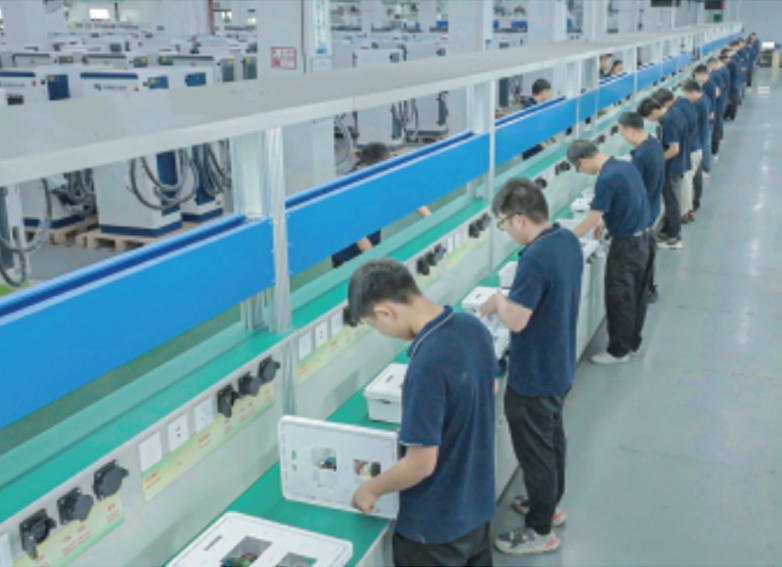
B2B organizations require manufacturing partners capable of fast delivery, design flexibility, and strict quality control. Our Hangzhou facility utilizes advanced manufacturing techniques to balance high-capacity battery units with efficient assembly cycles.
By keeping BMS design, structural sheet metal fabrication, liquid chillers, and system assembly in-house, we reduce lead times by up to 35% compared to traditional subcontractors. Every containerized BESS undergoes thermal testing, functional validation under heavy simulated loads, and insulation resistance checks before dispatch.
Whether you require customized enclosures, specific communication setups (Modbus TCP/IP, CAN, IEC 61850), or specialized fast-charging integrations, our OEM/ODM design process is structured to handle custom needs cleanly.
How our integrated battery storage, smart refrigeration, and EV charging solutions perform in demanding real-world setups.
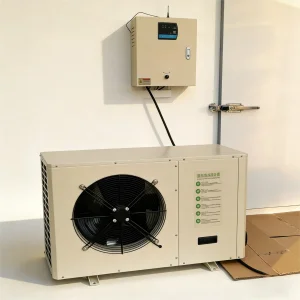
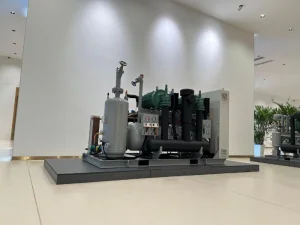
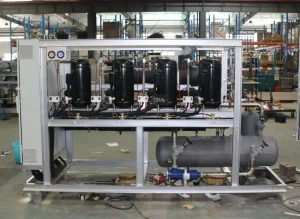
Food logistics and vaccine storage centers require reliable temperature control. When grid power drops during storms, our parallel refrigeration units run on containerized solar storage, keeping products frozen and secure.
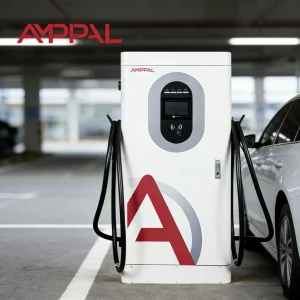
Logistics centers with high EV transit demand face peak-usage surcharges. Our integrated 240kW CCS2 chargers operate alongside energy storage units, utilizing stored off-peak energy to supply vehicles during peak hours.
Industrial processing facilities experience voltage drops when large motors start up. Our smart energy management systems discharge power in milliseconds, maintaining grid stability and avoiding equipment downtime.
Thermal management is crucial to extending the life of lithium-ion systems. This comparison shows why active liquid cooling outperforms traditional air cooling in harsh environments.
Traditional air-cooled BESS containers rely on high-volume HVAC fans, which struggle to maintain stable temperatures when ambient temperatures rise above 40°C. This leads to hot spots within the battery cells, causing uneven cell aging and early module replacement.
Our Active Liquid Cooling Systems use water-glycol microchannel cold plates directly in contact with each cell pack. Heat transfer is up to 3.5 times more efficient than air cooling. This design maintains temperature differences across cells to under 3°C, extending battery cycle life and reducing HVAC power consumption by 30%.
Modern BESS units are more than backup power systems; they function as active, grid-interactive units. Outfitted with dual-channel CAN bus systems and Modbus communication, they receive dispatch commands from utility networks, charge when rates are low, and provide secondary frequency response to regional grids.
Common questions from procurement agents, utility engineers, and system designers regarding specifications and OEM options.
Under standard conditions, liquid-cooled configurations maintain battery degradation at a slower rate. They average over 6,500 cycles at 80% Depth of Discharge (DoD), compared to approximately 4,500 cycles for air-cooled systems operating in high ambient environments.
Yes. All systems support standard communication interfaces like OCPP 1.6J/2.0.1 for chargers, and Modbus TCP/RTU or CAN for BESS. This allows them to integrate into existing SCADA setups and virtual power plant (VPP) software platforms.
Our customization program covers sheet metal design, brand labeling, custom battery layouts (LFP vs. LTO), active cooling unit capacities, integrated smart-meter configurations, and specific protection classes like IP66/NEMA 4X for marine or desert environments.
Our parallel industrial refrigeration systems use variable-frequency compressor control and electronic expansion valves. They adjust performance in real-time based on temperature changes, reducing energy consumption by up to 25% compared to on/off setups.
Our systems are designed to meet international standards. Certifications include CE, IEC 62619, IEC 62477, and UL 9540A testing data. These documents simplify local grid approval processes.
A standard 5MWh containerized liquid-cooling storage unit requires a manufacturing window of 10 to 14 weeks from structural drawing sign-off to final container shipment, including system testing.
Explore our high-voltage battery banks, fast-charging hardware, and specialized thermal units for your project requirements.
 HK Charger