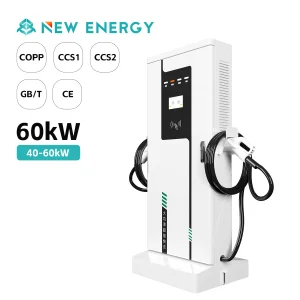
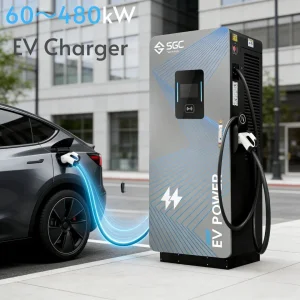
EV Charging & Storage Integration Factory & Suppliers for the Eswatini Market

Advancing the Kingdom’s Energy Independence through Intelligent Infrastructure and China’s Factory 4.0 Efficiency.

Eswatini's Energy Landscape: A Transition to Self-Reliance

The Kingdom of Eswatini is currently at a pivotal crossroads in its energy journey. Historically dependent on electricity imports from South Africa (Eskom), the nation is aggressively pursuing the "Energy Master Plan 2034," which aims to enhance domestic generation and integrate renewable energy sources. This shift has created an unprecedented demand for EV Charging & Storage Integration solutions.

Industrial hubs in Matsapha and commercial centers in Mbabane are increasingly adopting Solar-plus-Storage systems to mitigate grid volatility. Our role as a premier supplier is to bridge the gap between high-capacity Chinese manufacturing and the unique logistical requirements of the Eswatini market, ensuring that infrastructure is both robust and scalable.
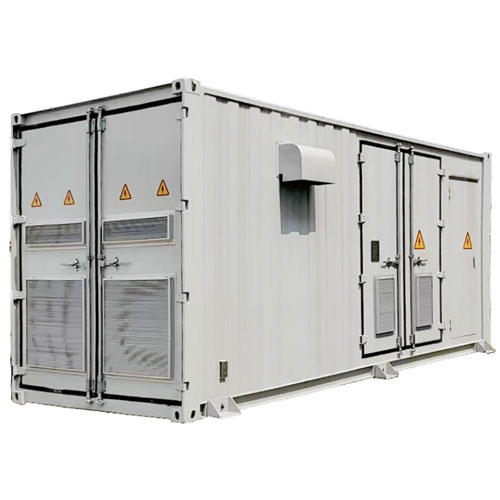
80% Import Dependence Target Reduction
2034 Energy Self-Sufficiency Goal
50MW+ Solar IPP Projects in Pipeline
100% Grid Stability Focus

Technical Roadmap: The Convergence of EV & BESS

The future of Eswatini's transport and energy sectors lies in V2G (Vehicle-to-Grid) and Integrated Microgrids. We provide a clear technological path for local enterprises to move from basic charging to intelligent energy management.
Energy Storage Technology

Smart Load Balancing

Preventing transformer overloads in commercial zones by prioritizing charging speed based on real-time grid capacity.

🔋

BESS Integration

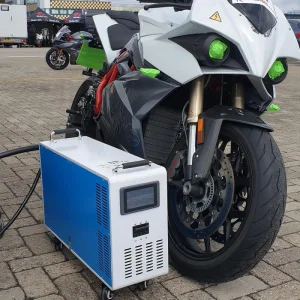
Utilizing Battery Energy Storage Systems to store solar energy during the day for high-speed EV charging during peak evening hours.

🌐

Cloud-Based Monitoring

OCPP 1.6J and 2.0.1 compliance allowing Eswatini operators to manage multi-site networks via a single dashboard.

China Factory 4.0: Supply Chain Resilience

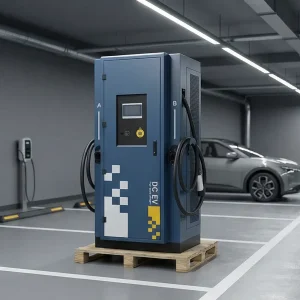
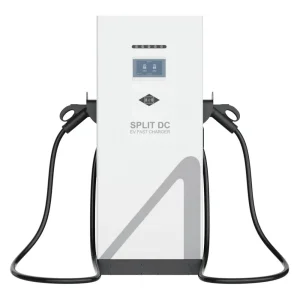
As a leading China manufacturer, Hangzhou HK Charger Co., Ltd. operates on a "Factory 4.0" philosophy. This means our production lines are fully digitized, ensuring that every DC Fast Charger and Storage unit bound for Eswatini meets exacting international standards (CE, TUV, IEC).
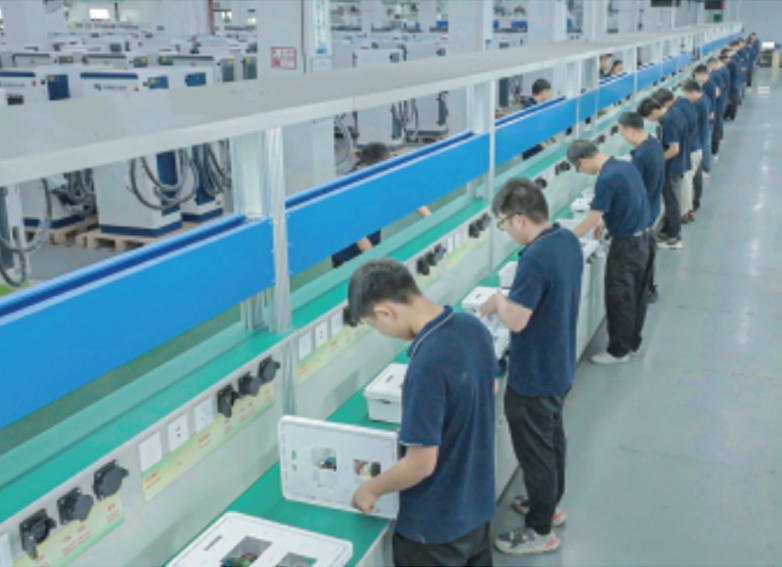
  • Scalable Production: Capability to deliver 500+ high-power units per month.
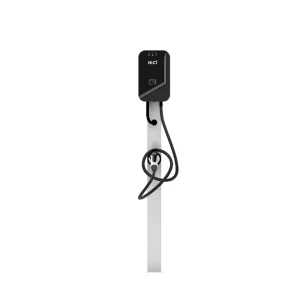
  • Customization: Modular designs tailored to the Southern African climate (high UV and dust protection).
  • Quality Assurance: 48-hour full-load aging tests for every integrated system.
Factory 4.0 Production Line

Macro Industry Solutions for Southern Africa

Industrial Peak Shaving

For Eswatini's sugar mills and timber processing plants, reducing peak demand charges through scheduled discharge from battery storage.

Public Transport Electrification

High-power liquid-cooled charging stacks designed for future electric bus routes between Manzini and Piggs Peak.

Off-Grid Eco-Tourism

Integrated Solar + Storage + AC Charging for remote luxury lodges in the Hlane Royal National Park.

Local Support & Compliance

Navigating the regulatory environment in Eswatini requires adherence to both local EEC (Eswatini Electricity Company) guidelines and international SABS/IEC standards. We provide:

  • Grid connection certifications.
  • Localized user interfaces in English.
  • Remote technical support for local installers.
  • 2-5 Year comprehensive warranty programs.

Global Sourcing: Simplified Procurement

We understand the complexities of global logistics. For Eswatini-based developers, we offer streamlined shipping routes through the Port of Maputo or Durban, ensuring cost-effective and timely delivery of critical infrastructure components. Our expertise in Information Gain ensures you receive not just hardware, but a comprehensive data-driven deployment strategy.

Frequently Asked Questions

❓ How does integrated storage benefit Eswatini's fluctuating grid?
Integrated storage acts as a buffer. In Eswatini, where grid instability can occur due to regional supply issues, our BESS systems store energy during stable periods and discharge it during outages, ensuring that EV charging services remain uninterrupted.
❓ Are these chargers compatible with various EV brands available in Southern Africa?
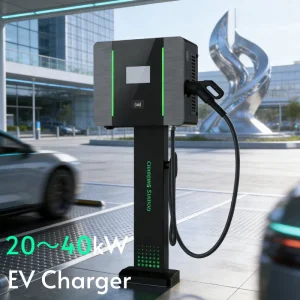
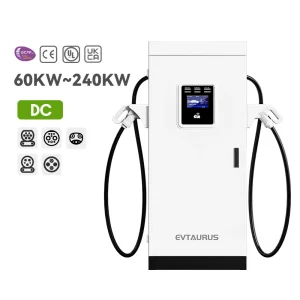
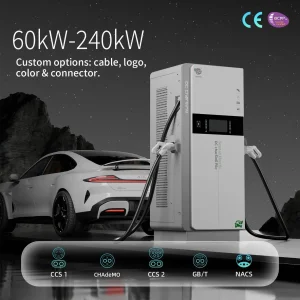
Yes. Our chargers support CCS1, CCS2, CHAdeMO, and GB/T standards, covering European, American, and Asian electric vehicle models common in the SADC region.
❓ What is the typical ROI for a commercial solar charging station in Eswatini?
Depending on local electricity tariffs and solar exposure, most commercial installations see a return on investment within 3 to 5 years, significantly reduced by "peak shaving" savings and potential carbon credit incentives.
❓ Can these systems be remotely managed from Mbabane?
Absolutely. All our commercial units come with integrated 4G/Wi-Fi modules and support OCPP protocol, allowing for real-time monitoring, billing, and troubleshooting from any location with internet access.