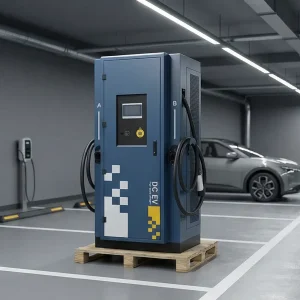
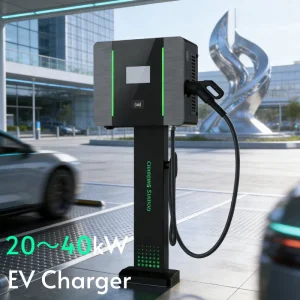
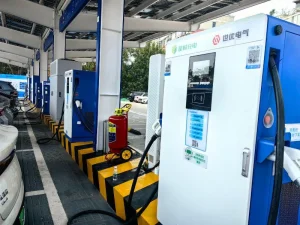

As a core hub of Russia’s Volga Federal District, Samara Oblast represents a critical industrial, manufacturing, and transit epicenter. Home to major automotive production clusters, massive logistics hubs along the M5 Ural federal highway, and key inland shipping ports along the Volga River, Samara is undergoing a systemic transition toward localized electrification. However, integrating high-power Electric Vehicle (EV) charging stations across commercial logistics hubs, public transit depots, and industrial sites presents unique engineering bottlenecks.
The local grid infrastructure in Samara—dominated by legacy 10kV and 0.4kV distribution networks—often struggles to handle instantaneous surge loads caused by multi-port ultra-fast DC charging piles (ranging from 120kW to 360kW). In industrial regions such as Togliatti, Samara City, and Syzran, grid upgrades require high capital expenditure and extended permitting cycles.
To overcome these structural hurdles, modern EV infrastructure deployment in Samara must transition from standalone charging stations to Integrated Battery Energy Storage Systems (BESS) + Photovoltaic (PV) + EV Charging Microgrid Systems. As a premier manufacturer, Hangzhou HK Charger Co., Ltd. supplies high-efficiency, climate-hardened integrated systems specifically engineered for these demanding environments.
Hangzhou HK Charger Co., Ltd. is a leading global manufacturer specializing in home, commercial, and industrial energy storage solutions, providing innovative systems for renewable integration, load balancing, and intelligent energy management. The company focuses on delivering reliable, efficient, and scalable energy storage products to meet the growing global demand for clean, sustainable power.
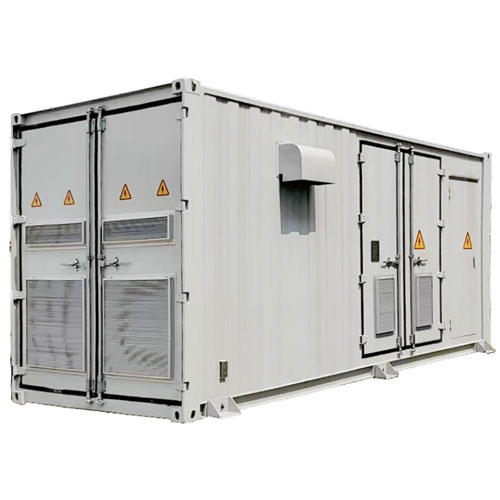
HK Charger’s comprehensive portfolio includes centralized and distributed storage systems, mobile and modular battery units, and hybrid solutions that seamlessly integrate with solar, wind, and other renewable energy sources. Each system is engineered with smart monitoring, real-time performance tracking, and advanced load balancing capabilities, ensuring optimal energy efficiency, cost savings, and grid stability across various demanding applications.
Committed to environmental sustainability and technological innovation, Hangzhou HK Charger emphasizes intelligent energy management features, including remote monitoring, predictive maintenance, and scalable modular design. These solutions enable homeowners, commercial enterprises, and industrial facility operators to optimize energy usage, reduce peak demand charges, and maintain uninterrupted power supply even in severe off-grid or weak-grid scenarios.
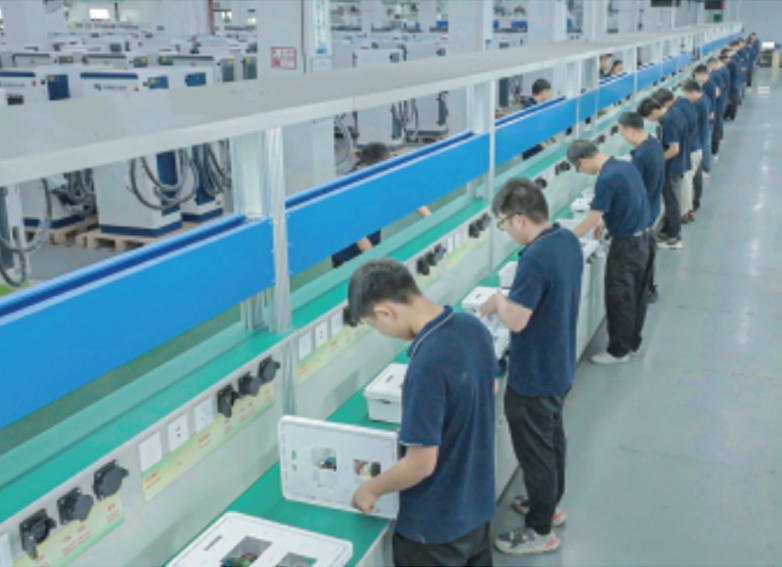
With strict adherence to international quality and safety standards, continuous R&D investment, and a customer-focused engineering approach, Hangzhou HK Charger Co., Ltd. has established itself as a trusted China manufacturer in the energy storage and fast-charging industry. The company’s core mission is to deliver smart, efficient, and sustainable energy storage solutions that empower users to integrate renewable energy, enhance operational efficiency, and contribute to a resilient energy future.
In the Samara region, direct connection of 240kW–360kW DC charging terminals to local distribution lines often triggers prohibitive network expansion costs. Hangzhou HK Charger solves this challenge through an integrated AC/DC-coupled Energy Storage Charging Architecture.
Our proprietary EMS algorithm monitors local grid transformer capacity in real-time. When commercial EV fleets require fast charging during peak hours, the integrated BESS discharges instantly to supplement grid supply, preventing capacity threshold violations. Conversely, during low-tariff off-peak hours (nighttime in Samara), the BESS recharges at maximum efficiency.
Air-cooled battery packs experience thermal gradients exceeding 8°C under sub-zero Samara conditions, accelerating degradation. HK Charger’s liquid-cooled storage cabinets utilize food-grade glycol coolant with dual PTC heating circuits, keeping cell temperature differences within 2.5°C down to -35°C ambient temperatures.
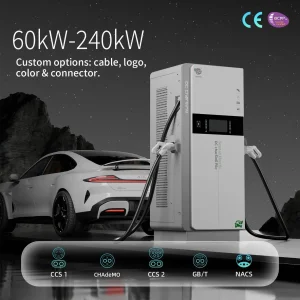
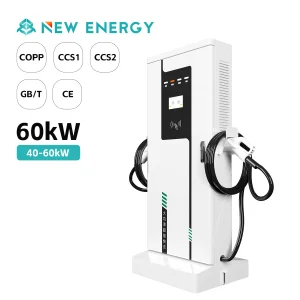
All DC charging systems support standard ISO 15180, DIN 70121, OCPP 1.6J, and OCPP 2.0.1 compliance. Native integration with Eurasian GB/T, CCS2, and CHAdeMO connectors ensures seamless interoperability across European, Chinese, and domestic EV fleets operating in Samara.
Operating in Russian winter conditions demands specialized hardware insulation and dynamic liquid pre-heating. HK Charger cabinets utilize IP65 rated thermal sandwich panels with multi-layer vacuum insulation. Before charge initiation, internal heat recovery loops extract thermal energy from power electronic modules (IGBTs) to pre-heat the Lithium Iron Phosphate (LiFePO4) battery cells to their optimal operational window (>15°C).
Global procurement managers and turnkey engineering, procurement, and construction (EPC) contractors operating within Samara must ensure hardware compliance with both international safety standards and localized Eurasian Economic Union (EAEU) Technical Regulations.
Hangzhou HK Charger equipment undergoes rigorous quality assurance to ensure full compliance with target market standards:
For regional distributors and energy companies in Samara seeking white-label or customized solutions, HK Charger offers full OEM/ODM flexibility:
The trajectory of heavy-duty transport electrification in the Volga region points toward ultra-high-power charging infrastructure paired with distributed battery storage buffers. Hangzhou HK Charger’s technical roadmap addresses these emerging trends:
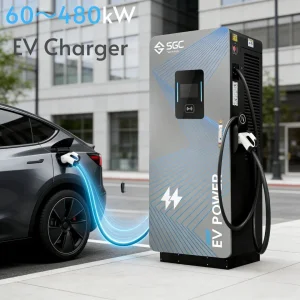
Deployment of 360kW–480kW liquid-cooled dispenser units capable of delivering 500A continuous current to e-buses and commercial delivery fleets in Samara metropolitan area, reducing recharge cycles to under 15 minutes.
Introduction of Megawatt Charging System (MCS) architecture for heavy long-haul electric transport along the M5 freight corridor, incorporating Vehicle-to-Grid (V2G) bidirectional power transfer to support grid stabilization during emergency peak loads.
Full integration of cloud-native AI prediction models that analyze local Samara weather forecasts, spot market electricity pricing, and historical fleet departure schedules to autonomously optimize BESS charge/discharge cycles.
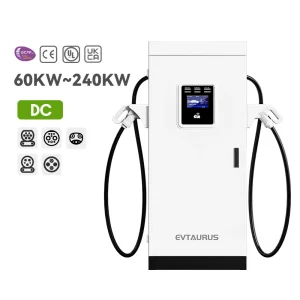
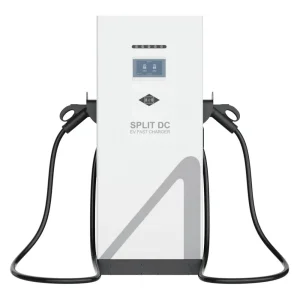
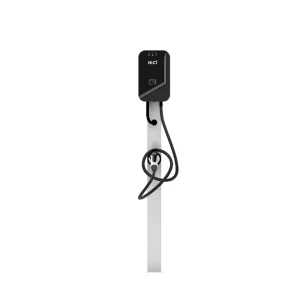

 HK Charger