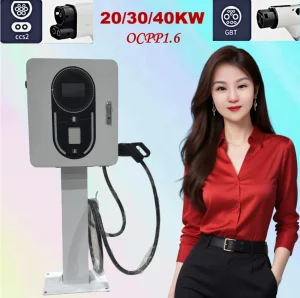
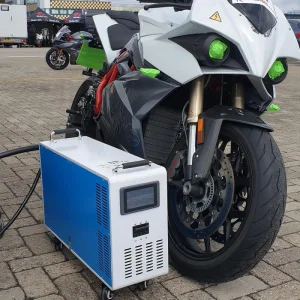
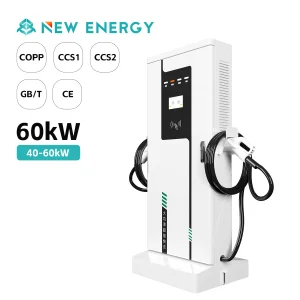
Top-tier integration equipment designed for the Southeast Asian tropical climate and growing EV demand.
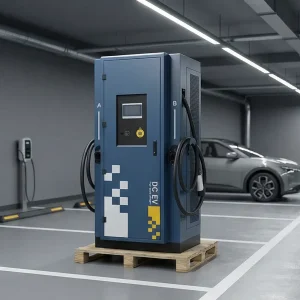
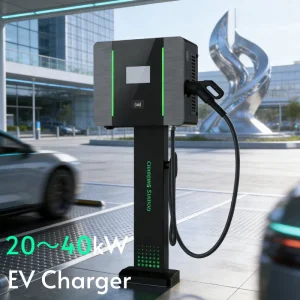
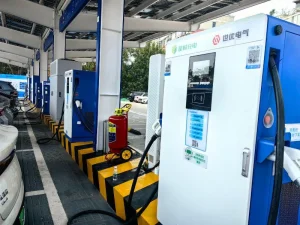

Cambodia is currently witnessing a transformative shift in its energy and transportation sector. Under the "Pentagon Strategy-Phase I" and the National Policy on Electric Vehicle Development 2024-2030, the Royal Government of Cambodia has set ambitious targets to increase the number of electric vehicles to 40% for cars and 70% for motorcycles by 2050.
This macro-trend necessitates a sophisticated EV Charging & Storage Integration approach. In Cambodia, electricity costs can be volatile, and the grid infrastructure in expanding Special Economic Zones (SEZs) requires stabilizing "buffer" systems. By integrating Battery Energy Storage Systems (BESS) with DC Fast Chargers, suppliers can provide a "Peak Shaving" solution—storing energy during low-demand hours and discharging it during peak charging times.
As a leading China manufacturer, Hangzhou HK Charger Co., Ltd. understands that a "one size fits all" product doesn't work for the Cambodia market. High humidity and average temperatures of 30°C+ require high-grade ingress protection (IP54/IP65) and advanced thermal management (Liquid Cooling).
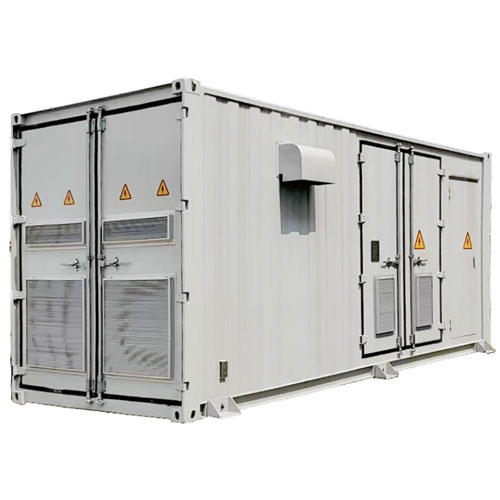
Hangzhou HK Charger Co., Ltd. is a leading manufacturer specializing in home, commercial, and industrial energy storage solutions. We provide innovative systems for renewable integration, load balancing, and intelligent energy management. Our focus is on delivering reliable, efficient, and scalable energy storage products to meet the growing demand for clean, sustainable power in emerging markets like Cambodia.
Our portfolio includes centralized and distributed storage systems, mobile and modular battery units, and hybrid solutions that seamlessly integrate with solar, wind, and other renewable energy sources. Each system is designed with smart monitoring, real-time performance tracking, and advanced load balancing capabilities, ensuring optimal energy efficiency, cost savings, and grid stability across various applications.
Integrated BESS solutions that allow commercial operators to decouple from the grid during high-tariff periods, essential for Cambodia's industrial sector.
Full compatibility with global charging management software, ensuring seamless payment integration for Cambodian operators.
AI-driven diagnostics that identify potential hardware failures before they occur, minimizing downtime for remote highway stations.
Meeting the procurement needs of multinational enterprises operating in Cambodia.
Enterprises sourcing EV infrastructure for Cambodia look for three core pillars: Compliance, Scalability, and After-sales Support. Our systems meet CE, TUV, and UL standards, providing the legal and safety assurance required by international insurance companies and local regulators like the Ministry of Mines and Energy (MME).
We provide localized technical documentation and remote engineering support to ensure that installation teams in Phnom Penh or Sihanoukville can deploy systems with zero error margins. Our "Integrated Storage" units are pre-configured for "Plug & Play" installation to reduce high-cost on-site labor.
The future of Cambodian EV charging lies in V2G (Vehicle-to-Grid) and Ultra-Fast Liquid Cooling. As battery capacities increase, our roadmap includes 480kW+ stations that can charge a bus in under 15 minutes. By integrating energy storage, these high-power draws don't stress the local transformer, preventing localized blackouts.
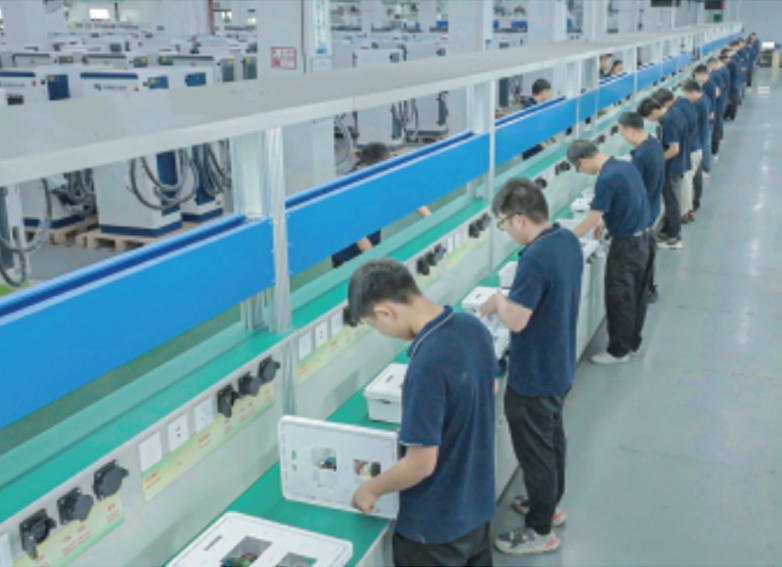
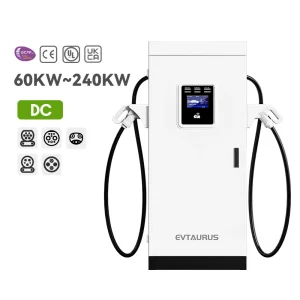
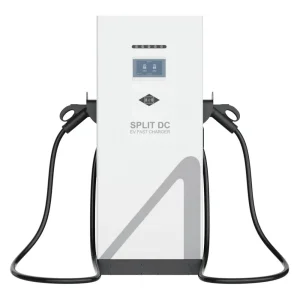
High-efficiency DC and AC solutions for every application from residential to industrial scale.
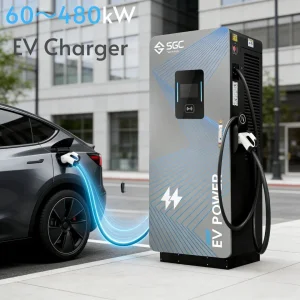
The flagship solution for Cambodia's National Road 1 Express stations.
Depending on the grid permit from Electricité du Cambodge (EDC), physical installation takes 3-5 days. However, including site survey and grid upgrades, the total project timeline is usually 4-8 weeks.
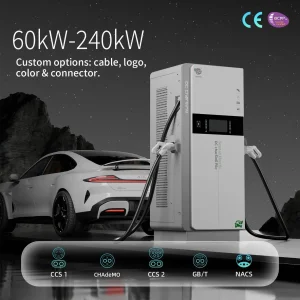
Yes. We support CCS2 (common for European/Thai imports), GB/T (standard for Chinese brands like BYD/MG), and Chademo. Our dual-gun systems allow simultaneous charging of different standards.
By using Battery Storage, you can store energy during the night (off-peak) and use it to charge vehicles during the day when electricity rates are higher or when the grid is near capacity, avoiding peak-shaving surcharges.
We provide a cloud-based remote diagnostic system. 90% of software issues are resolved via OTA (Over-the-Air) updates. For hardware, we maintain a modular design so local electricians can swap components easily.
 HK Charger