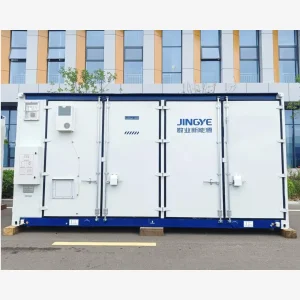
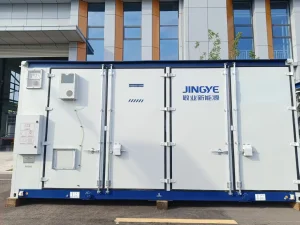
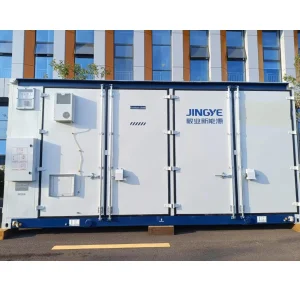
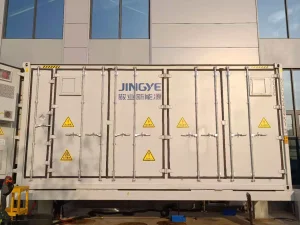
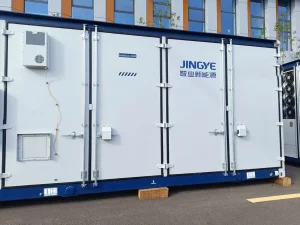
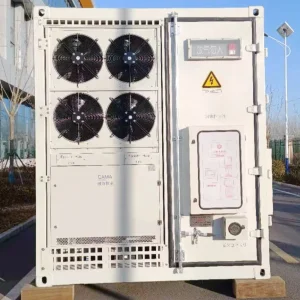
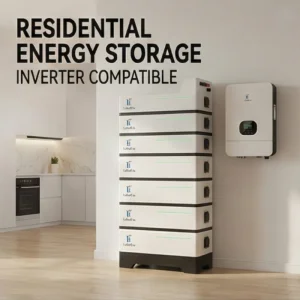
Engineered to support regional Western Australian substations and heavy industrial distribution networks.
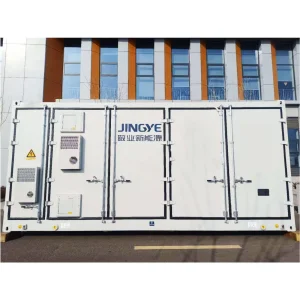
Western Australia operates the South West Interconnected System (SWIS), an isolated electrical grid with unique challenges distinct from the National Electricity Market (NEM) in eastern Australia. With the accelerating phase-out of state-owned coal-fired power stations in Collie and Muja, the demand for fast-responding frequency control and massive capacity storage has intensified. The rapid adoption of rooftop solar systems in residential Perth has led to the "duck curve" phenomenon, where minimum daytime system load reaches record lows. This threatens network stability by limiting the grid’s operating reserves and system strength.
To secure the Perth metropolitan market and surrounding regional industrial hubs, utility companies and private enterprises are investing in utility-scale Modular Battery Storage Units (BESS). These units serve as critical infrastructure, stabilizing voltage levels, mitigating renewable curtailment, and offering virtual synchronous generator (VSG) support to maintain grid inertia.
For industrial operators in Kwinana, Welshpool, Malaga, and Henderson, peak demand charges comprise a significant portion of monthly utility tariffs. Modular battery storage units allow these facilities to charge during low-cost daytime solar periods and discharge during peak demand windows (typically 4 PM to 9 PM). This shift lowers operational expenses, reduces load on Western Power’s transmission network, and provides backup power during grid disturbances.
Perth experiences extreme ambient temperatures, regularly exceeding 40°C during summer. Under these conditions, legacy air-cooled BESS containers face severe challenges: high cooling parasitic load, accelerated battery cell degradation, and risk of thermal runaway. Consequently, the industry is transitioning to advanced liquid-cooled systems.
Liquid cooling provides a heat transfer coefficient significantly higher than air, keeping battery cell temperature variance within ±2°C. This prevents localized hot spots, ensuring uniform cell degradation and extending the system lifespan by 20% to 30%.
Designed for daily cycling, our modular storage units support 0.5C to 1C operation, allowing full depth-of-discharge (100% DoD) cycles with minimal capacity loss over 6000 cycles, optimizing return on investment in WA's energy markets.
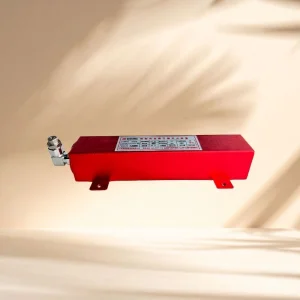
Equipped with early-warning gas sensors, deflagration vents, and aerosol-based fire suppression systems, our designs isolate issues at the cell or module level to prevent cascading thermal runaway.
As coal units retire, the Perth grid loses physical spinning reserve. To offset this loss, modern modular battery units utilize grid-forming inverters. These inverters operate as a Virtual Synchronous Machine (VSM), generating a stable voltage source to support local system strength rather than simply tracking the grid. This allows mining sites and remote agricultural microgrids in regional WA to run on 100% renewable power during sunny days without relying on diesel generators for stability.
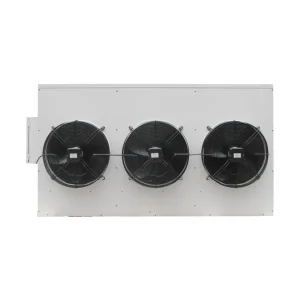
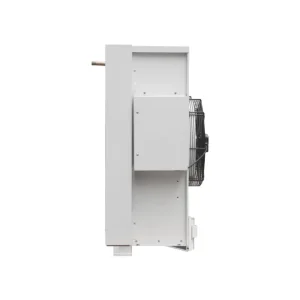
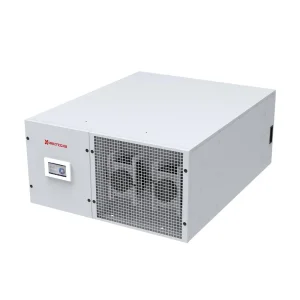
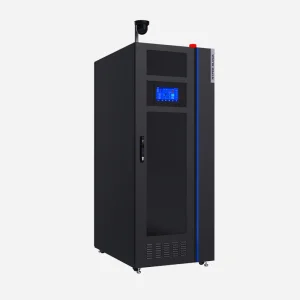
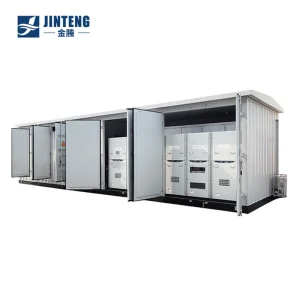
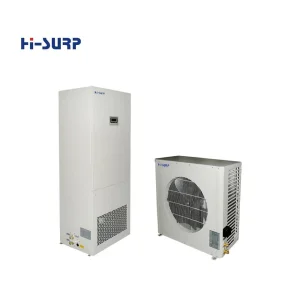
Essential auxiliary units ensuring thermal stability and safety in extreme environments.
Connecting large-scale battery storage units to Western Power’s transmission network requires adherence to strict compliance standards. Australian grid integration involves rigorous technical validation steps. Developers must demonstrate alignment with several key regulatory benchmarks:
Our engineering support services help developers streamline local compliance, from initial network feasibility studies to on-site testing. By partnering with local EPC providers in Perth, we ensure our modular containers transition smoothly from delivery to grid connection.
Leveraging automated assembly, multi-stage testing, and smart production control for global delivery.
Hangzhou HK Charger Co., Ltd. is a leading manufacturer specializing in home, commercial, and industrial energy storage solutions, providing innovative systems for renewable integration, load balancing, and intelligent energy management. The company focuses on delivering reliable, efficient, and scalable energy storage products to meet the growing demand for clean, sustainable power.
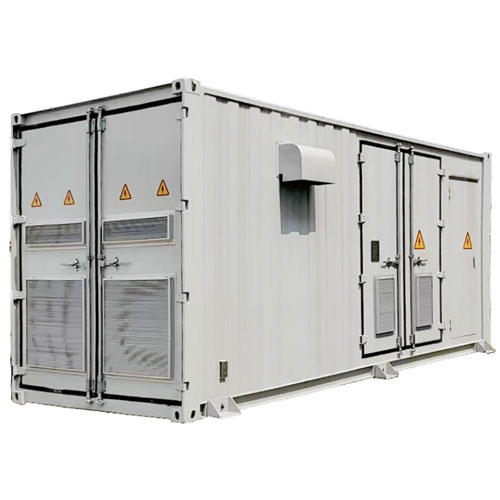
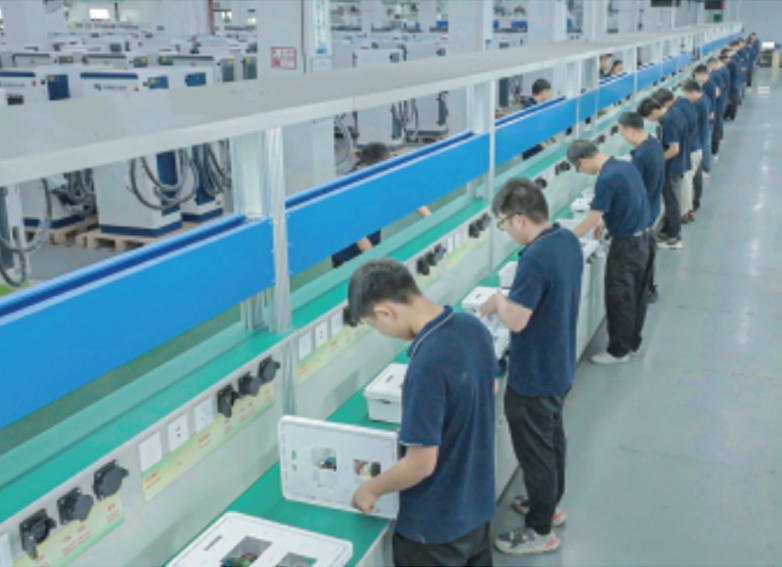
HK Charger’s portfolio includes centralized and distributed storage systems, mobile and modular battery units, and hybrid solutions that seamlessly integrate with solar, wind, and other renewable energy sources. Each system is designed with smart monitoring, real-time performance tracking, and advanced load balancing capabilities, ensuring optimal energy efficiency, cost savings, and grid stability across various applications.
Committed to sustainability and technological innovation, Hangzhou HK Charger emphasizes intelligent energy management features, including remote monitoring, predictive maintenance, and scalable modular design. These solutions enable homeowners, businesses, and industrial operators to optimize energy usage, reduce peak demand charges, and maintain reliable power supply even in off-grid scenarios.
With strict adherence to international quality and safety standards, continuous R&D investment, and a customer-focused approach, Hangzhou HK Charger Co., Ltd. has established itself as a trusted China manufacturer in the energy storage industry. The company’s mission is to provide smart, efficient, and sustainable energy storage solutions that empower users to integrate renewable energy, enhance operational efficiency, and contribute to a greener future.
Our standard liquid-cooled containers are available in configurations tailored to various grid and commercial profiles. The table below outlines key parameters of our utility-scale systems:
| Specification Parameter | 5MWh Utility Container | 5.015MWh High-Efficiency Container | 500kVA C&I Modular System |
|---|---|---|---|
| Nominal Capacity (AC/DC) | 5.000 MWh DC | 5.015 MWh DC | 500 kWh - 1 MWh DC |
| Cell Chemistry Type | LiFePO4 (LFP) | LiFePO4 (LFP) | LiFePO4 (LFP) |
| Cooling Topology | Active Liquid Cooling | Advanced Liquid Cooling | Air Cooled / Liquid Optional |
| Dimensions (standard) | 20ft HC ISO Container | 20ft HC ISO Container | Modular Rack Cabinet |
| Grid-Tied Capabilities | Virtual Synchronous Generator (VSG) | VPP Integrated / Grid-Forming | Peak Shaving / Dynamic UPS |
| System Round-Trip Efficiency | > 92.5% (BOL) | > 93.0% (BOL) | > 89.5% (BOL) |
| Standards Compliance | IEC 62619, UL 9540A, AS 5139 | CE, IEC 62619, AS 5139 | AS 5139, AS 3000, CE |
Highly adaptable energy storage and power quality solutions for Perth mining, commercial, and industrial operators.
Answers to technical and regulatory questions regarding BESS deployment in Western Australia.
They provide fast-frequency response (FFR) within milliseconds, injecting active power to compensate for sudden generation losses (e.g., solar drops due to cloud cover) or load changes. This helps maintain system frequency within acceptable limits on Western Power's network.
Liquid-cooled systems maintain more uniform internal battery cell temperatures, even when ambient temperatures reach 45°C. This level of thermal control minimizes cell degradation, limits auxiliary power draw, and reduces safety risks, making them suitable for remote desert locations.
Major requirements include AS/NZS 5139:2019 for battery safety, AS/NZS 3000 for electrical wiring, and compliance with Western Power's technical rules for grid-connected generators. For utility-scale installations, structural certifications (such as wind load ratings for Region D) may also be required.
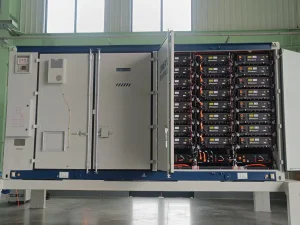
Each container undergoes extensive structural testing and quality checks before leaving our facility. This includes pre-installed wiring, battery modules locked in place with anti-vibration mounts, dynamic thermal tests, and insulation verification to ensure components arrive ready for installation.
 HK Charger