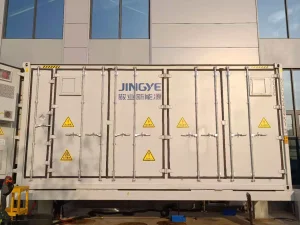
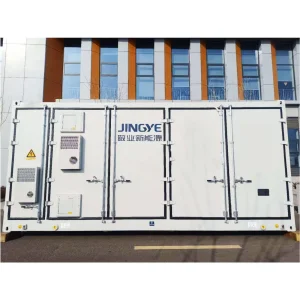
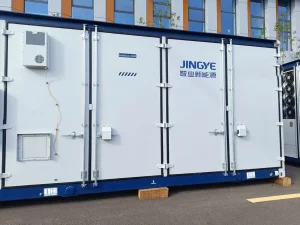
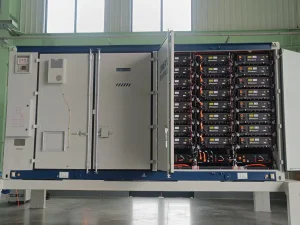
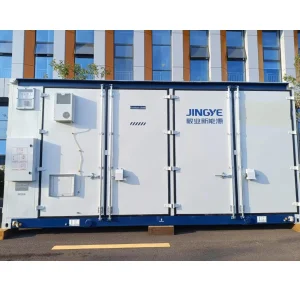
Engineered for high power density, active safety profiles, and seamless integration into São Paulo's complex distribution networks.
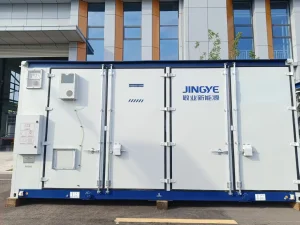
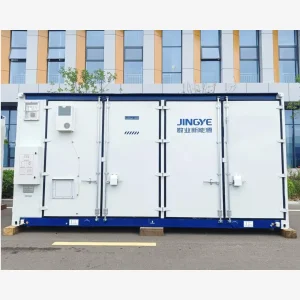
As Latin America's primary economic engine, the state of São Paulo—encompassing vital industrial complexes in ABC Paulista, Campinas, and Sorocaba—is witnessing unprecedented electrical demand. However, the regional transmission grids managed by distributors such as Enel São Paulo, CPFL, and Elektro face significant reliability and pricing pressures.
Industrial facility operators frequently experience costly voltage drops, grid blackouts, and escalating demand charges (tarifa de demanda contratada). The integration of Modular Battery Energy Storage Systems (BESS) allows localized entities to store low-cost energy during off-peak windows and discharge it during peak periods (posto ponta), effectively flattening their consumption profile and dramatically reducing utility outlays.
Hangzhou HK Charger delivers turnkey, highly scalable lithium iron phosphate (LiFePO4) storage systems customized to these localized operating parameter demands. These systems provide a buffer against grid instability, ensuring continuous assembly line performance and reliable localized data operations.
Combining world-class manufacturing efficiency with certified compliance to secure capital-intensive projects in Brazil.
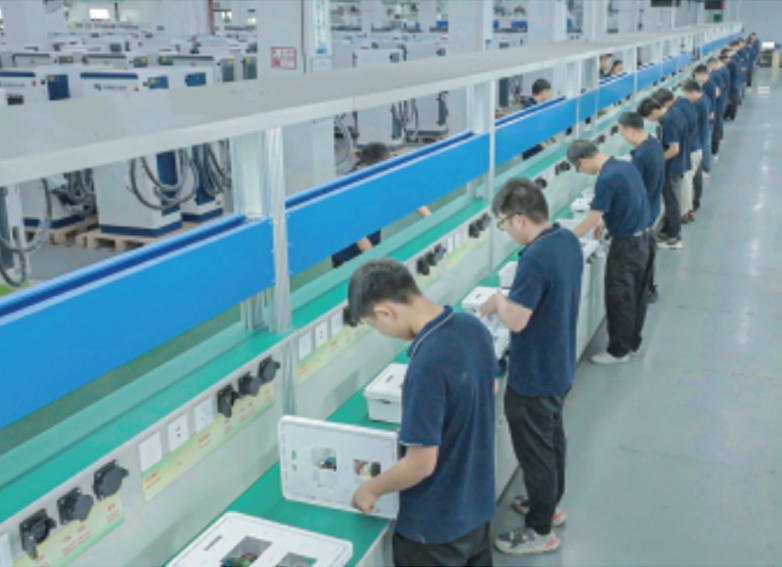
For Brazilian developers, EPCs, and industrial procurement managers, sourcing modular energy storage equipment directly from a prominent Chinese factory offers unparalleled benefits. Hangzhou HK Charger controls the full engineering cycle, from robust sheet metal modular enclosure design and integrated cooling units to custom battery management systems (BMS).
Leveraging strategic raw material reserves and state-of-the-art automated cell-matching systems, we ensure that every lithium containerized unit matches rigorous safety targets. This vertical integration minimizes supply chain delays, delivering premium tier-1 cells (such as CATL and EVE) inside highly optimized structural frames.
Our experienced logistics department coordinates sea freight from Ningbo or Shanghai directly to the Port of Santos. We provide complete documentation to streamline custom clearances (including NCM declarations, RADAR import registration, and all necessary safety certificates), keeping your timeline and budget secure.
Minimizing technical friction, ensuring local utility approval, and securing authorization for operations.
Aligned with ANEEL Normative Resolution 482 and 1000 protocols. Our storage configurations support grid injection, zero-export profiles, and behind-the-meter hybrid solar configurations without complicating utility approvals.
Electrical safety systems are integrated according to NR-10 and ABNT standards. Grounding mechanisms, low-voltage control cabinets, and maintenance interfaces are pre-engineered to safeguard field personnel.
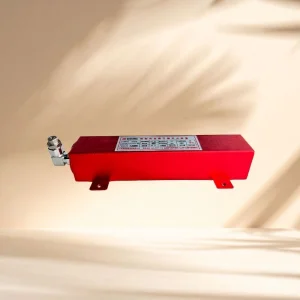
Designed to satisfy municipal Fire Department (AVCB) requirements in São Paulo. Incorporates NFPA 855-aligned aerosol fire suppression, automated gas detection, and multi-layered thermal barrier protection.
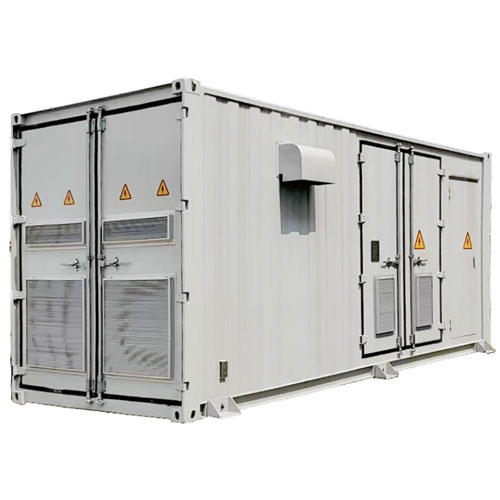
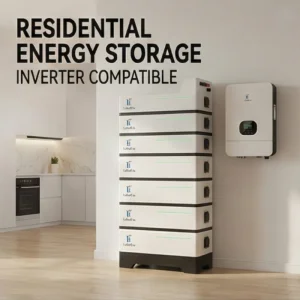
Complete containerized layouts, high-precision HVAC systems, and modular battery components configured for Latin America.
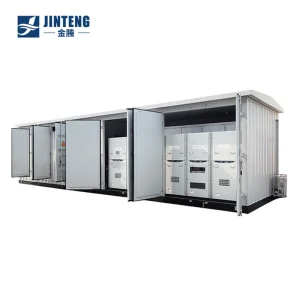
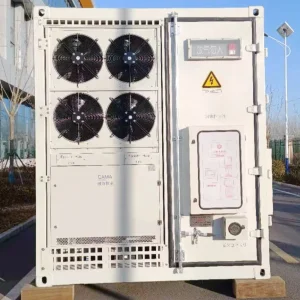
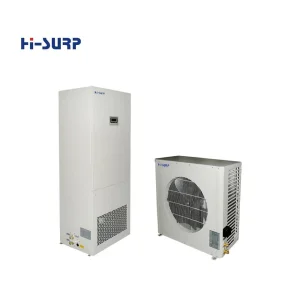
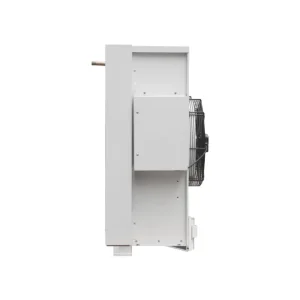
Thermal stability is a primary challenge when deploying large-scale batteries in São Paulo's interior zones. During summer peaks, ambient temperatures can exceed 38°C, which accelerates cell degradation and increases thermal runaway risks in poorly ventilated enclosures.
Our Advanced Liquid Cooling Energy Storage Units (available in 5MWh+ single-container configurations) address this challenge. By running a glycol-water mixture directly through precision-engineered cooling plates sandwiched between the cells, we maintain thermal variations across the entire pack within ±2°C. This active thermal management extends battery service life by up to 20% compared to traditional air-cooled installations.
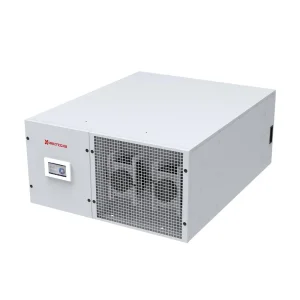
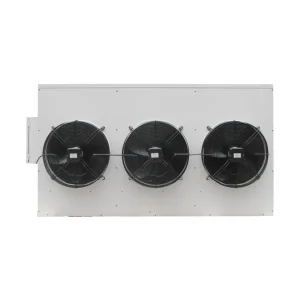
For distributed modular layouts where air cooling is preferable, our high-precision HVAC line (ranging from 15kW top-mounted systems to 40.1kW industrial humidistat units) provides reliable, continuous climate regulation. These auxiliary climate control modules operate with dual-inverter compressors to maintain optimal working conditions for the internal battery stacks.
Custom designs for key industrial zones, commercial centers, and regional utilities.
During maximum tariff hours (5:00 PM to 8:00 PM), electricity prices in São Paulo rise sharply. By discharging stored off-peak energy during these windows, manufacturing facilities can lower their demand profile, avoid peak rate penalties, and reduce electricity bills.
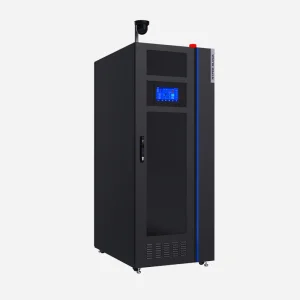
With massive digital infrastructure density, regional data centers rely on ultra-responsive systems to maintain uptime. Our 500kVA modular UPS-grade storage systems transition from grid power to battery backup in less than 3 milliseconds, safeguarding critical loads.
Agribusiness operations in Ribeirão Preto and Araçatuba utilize large photovoltaic installations for processing. Integrating containerized BESS allows these facilities to store excess midday solar generation and utilize it at night, maximizing energy self-sufficiency.
Everything you need to know about importing, certifying, and deploying modular battery containers in Brazil.
Get in touch with our engineering team today to review your system requirements, request an technical specification sheet, or schedule a consultation with our BESS experts.
Send Inquiry Now HK Charger