Engineered for seamless integration with Detroit automotive plants, manufacturing facilities, and heavy-duty grid installations.
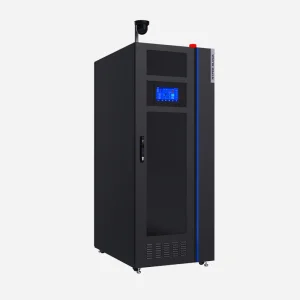
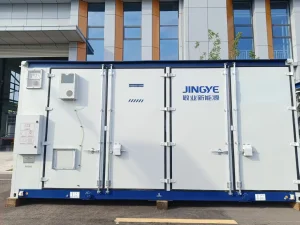
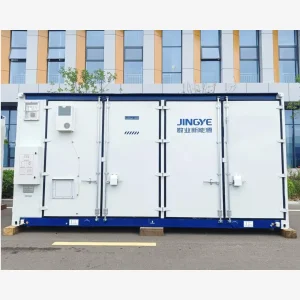
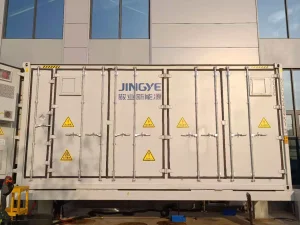
As the historic heart of global automotive manufacturing, Detroit and the wider Southeast Michigan industrial corridor are undergoing a profound energy transition. The shift toward Electric Vehicle (EV) assembly plants, localized battery gigafactories, and precision robotic manufacturing requires unprecedented electrical load capacities. At the same time, regional grid operators faces increased pressure from aging utility grids, extreme weather events, and stringent state mandates requiring 100% clean energy by 2040.
“In an era where automotive manufacturing plants operate on razor-thin margins and strict timeline dependencies, a 15-minute power outage can result in millions of dollars in lost throughput. Modular Battery Storage Systems (BESS) act as both the shield and the engine of modern manufacturing facility resilience.”
To navigate these challenges, engineering teams, energy developers, and Tier-1 automotive suppliers in Detroit are increasingly implementing behind-the-meter (BTM) modular battery storage systems. These configurations enable key operational tactics, such as:
When deploying battery energy storage systems in the Midwest, systems must endure temperature fluctuations ranging from sub-zero winter spells to high-humidity summer peaks. This environment places severe thermal management demands on the lithium iron phosphate (LiFePO4) cell chemistry. Optimal battery health relies on keeping internal cell temperatures within a narrow operating band of 20°C to 30°C.
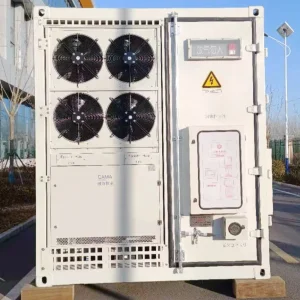
Unlike traditional air-cooled modules, which suffer from airflow channeling and hot spots, advanced liquid-cooling architectures circulate specialized coolant directly through cold plates placed between cells. This system achieves a thermal temperature difference (ΔT) of less than 2°C across the entire containerized structure. By minimizing localized heating, liquid cooling reduces capacity degradation, extending the overall service life to over 15 years.
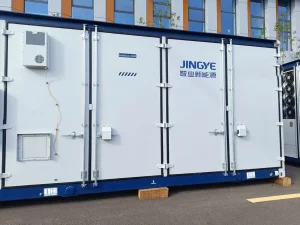
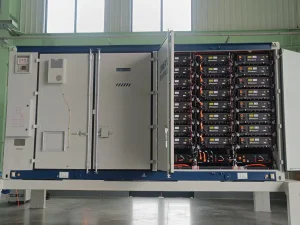
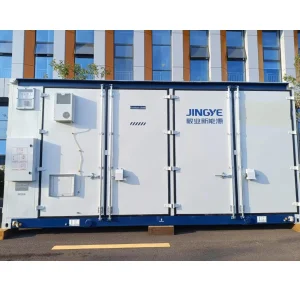
In urban Detroit industrial zones, land footprints are often limited. Liquid-cooling systems eliminate the need for wide internal airflow corridors, allowing modules to be packed closely together. A standard 20-foot ISO container utilizing advanced liquid cooling can achieve an energy density of up to 5.015MWh. This is nearly double the density of air-cooled designs of similar dimensions, lowering site preparation and civil engineering costs.
Hangzhou HK Charger Co., Ltd. is a leading manufacturer specializing in home, commercial, and industrial energy storage solutions, providing innovative systems for renewable integration, load balancing, and intelligent energy management. The company focuses on delivering reliable, efficient, and scalable energy storage products to meet the growing demand for clean, sustainable power.
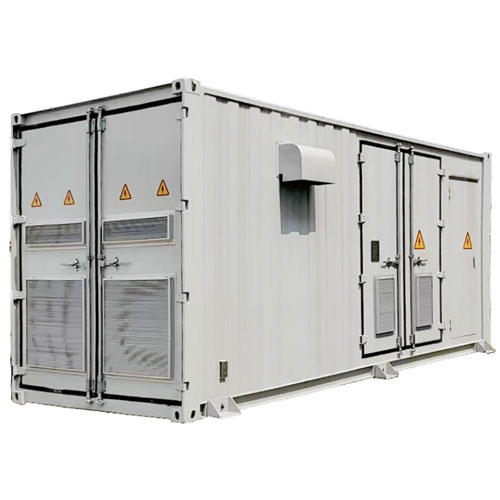
HK Charger’s portfolio includes centralized and distributed storage systems, mobile and modular battery units, and hybrid solutions that seamlessly integrate with solar, wind, and other renewable energy sources. Each system is designed with smart monitoring, real-time performance tracking, and advanced load balancing capabilities, ensuring optimal energy efficiency, cost savings, and grid stability across various applications.
Committed to sustainability and technological innovation, Hangzhou HK Charger emphasizes intelligent energy management features, including remote monitoring, predictive maintenance, and scalable modular design. These solutions enable homeowners, businesses, and industrial operators to optimize energy usage, reduce peak demand charges, and maintain reliable power supply even in off-grid scenarios.
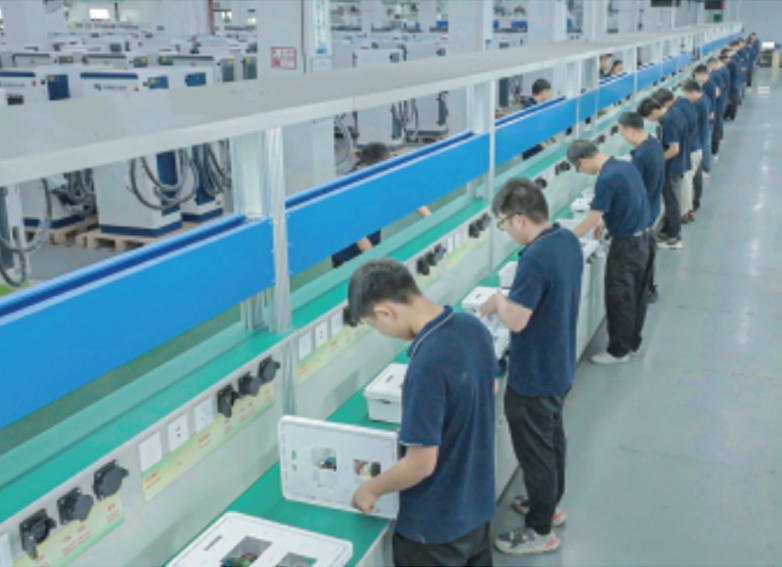
With strict adherence to international quality and safety standards, continuous R&D investment, and a customer-focused approach, Hangzhou HK Charger Co., Ltd. has established itself as a trusted China manufacturer in the energy storage industry. The company’s mission is to provide smart, efficient, and sustainable energy storage solutions that empower users to integrate renewable energy, enhance operational efficiency, and contribute to a greener future.
Deploying energy storage equipment in Southeast Michigan requires strict compliance with state and municipal safety regulations. Industrial facilities must navigate various testing protocols to ensure system safety and reliable operation on the municipal grid:
As utility requirements expand, manufacturing facilities are moving toward larger containerized configurations. The industry is currently transitioning from 3.35MWh baselines to 5MWh+ platforms, and eventually to 10MWh configurations within standard footings. This evolution is driven by higher-capacity cells (such as 314Ah and 530Ah cells) and high-density liquid cooling loops. Looking ahead, the integration of solid-state chemistries and intelligent Energy Management Systems (EMS) promises even higher energy densities, lower fire risks, and simplified site integration.
Technical guidance on procurement, installation, and deployment of modular battery systems.
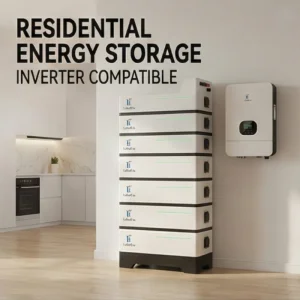
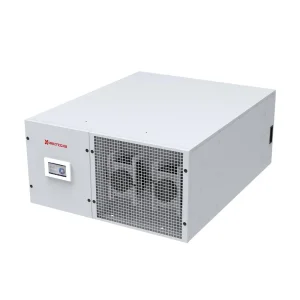
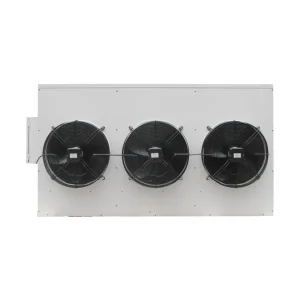
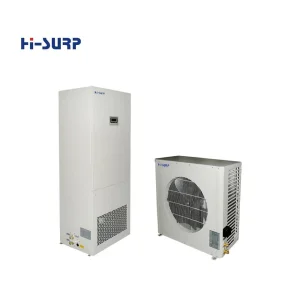
Explore our complete product portfolio, including power distribution cabins, cooling systems, and lithium battery configurations.
Get in touch with our engineering team for customized calculations on peak shaving potential, system design sizing, and compliance verification.
Send Inquiry Now HK Charger