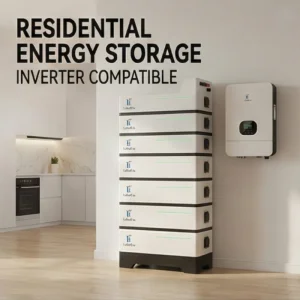
⚡ Cameroon’s economic landscape is rapidly evolving, with significant investments in mining, telecommunications, and manufacturing. However, a persistent challenge remains: grid stability and reliable energy access. As the nation pushes toward its "Vision 2035" development goals, the integration of Modular Battery Storage Units (MBSU) is no longer a luxury—it is an economic necessity.
While Cameroon possesses vast hydroelectric potential, the transmission and distribution infrastructure often struggle to meet the peak demand of industrial clusters. Many enterprises rely on costly, high-emission diesel generators for backup power. Modular Battery Storage Units provide a transformative alternative: Peak Shaving and Load Management. By storing energy during off-peak hours or from renewable sources, businesses can ensure uninterrupted operations, significantly reducing the Levelized Cost of Energy (LCOE).
Hangzhou HK Charger Co., Ltd. stands at the forefront of this shift. China has scaled the battery supply chain to a degree unmatched globally, achieving aggressive price efficiencies without compromising on safety standards like IEC 62619 or UL 9540. For Cameroonian procurers, choosing a direct Chinese manufacturer means:
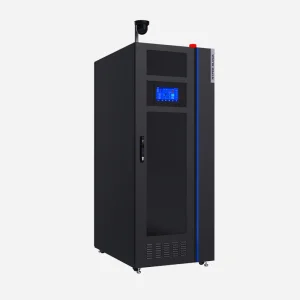
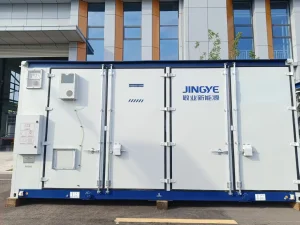
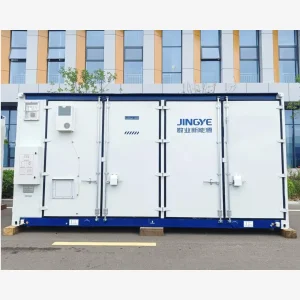
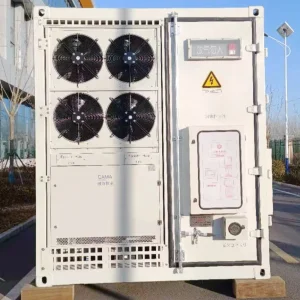
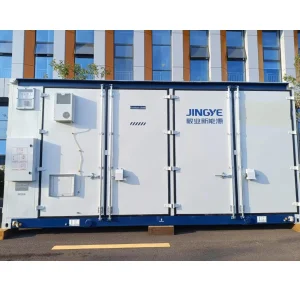
For Cameroon’s industrial zones and remote agricultural processing facilities, microgrids are the future. Our modular liquid-cooled units offer a compact footprint with high energy density, perfect for integrating solar-plus-storage. Unlike air-cooled systems, our liquid-cooled technology offers 30% longer cycle life and superior performance in high-ambient temperature environments—a critical feature for West African climates.
When sourcing BESS (Battery Energy Storage Systems) for Cameroon, prioritize suppliers with:
Modular units are factory-tested before shipment. Once on-site in Cameroon, the civil works (foundation) and electrical connection can be completed in as little as 3-5 days, drastically faster than traditional builds.
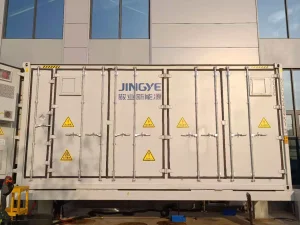
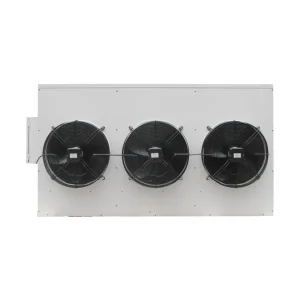
Our units, such as the 5.015mwh Liquid Cooling Storage Unit, utilize advanced thermal management. By controlling the temperature of each individual battery cell, we prevent thermal runaway and maintain efficiency even when external temperatures exceed 40°C.
Yes. Our solutions are designed for seamless renewable integration, functioning as the "bridge" that enables 24/7 solar power availability.
Connect with our technical team today to discuss your project requirements in Cameroon.
Send Inquiry Now HK Charger