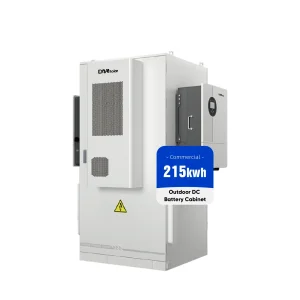
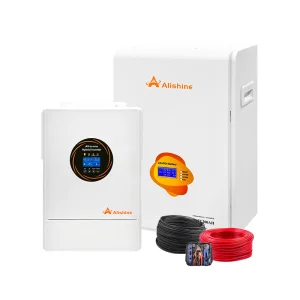
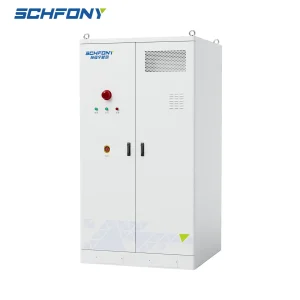
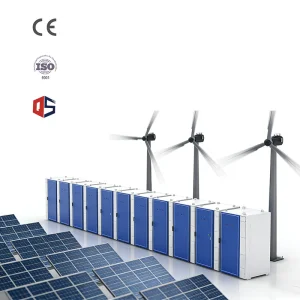
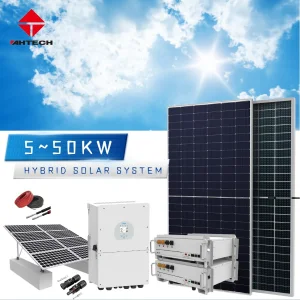
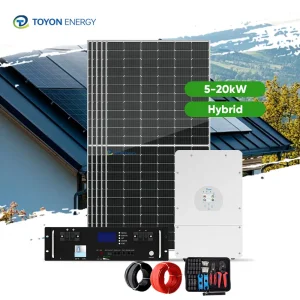
Explore high-performance lithium-ion, containerized, and modular battery energy storage solutions optimized for real-time load leveling and time-of-use (TOU) arbitrage.
Energy Arbitrage Solutions have evolved from a niche grid-balancing tactic into a central financial pillar for modern Commercial and Industrial (C&I) operations, independent power producers (IPPs), and utility asset managers globally. At its core, battery energy arbitrage involves charging a Battery Energy Storage System (BESS) during off-peak periods—when electricity prices are minimal, zero, or negative—and discharging that stored energy back into the facility or grid during peak demand windows when electricity prices skyrocket.
In 2025 and beyond, volatile spot markets, driven by high renewable penetration (solar and wind duck curves), rising grid demand charges, and aggressive decarbonization mandates, have amplified the monetary spreads between off-peak nadirs and peak surges. Modern Energy Storage Systems (ESS) enable enterprises to monetize these spreads directly, converting operational electricity costs into predictable ROI engines.
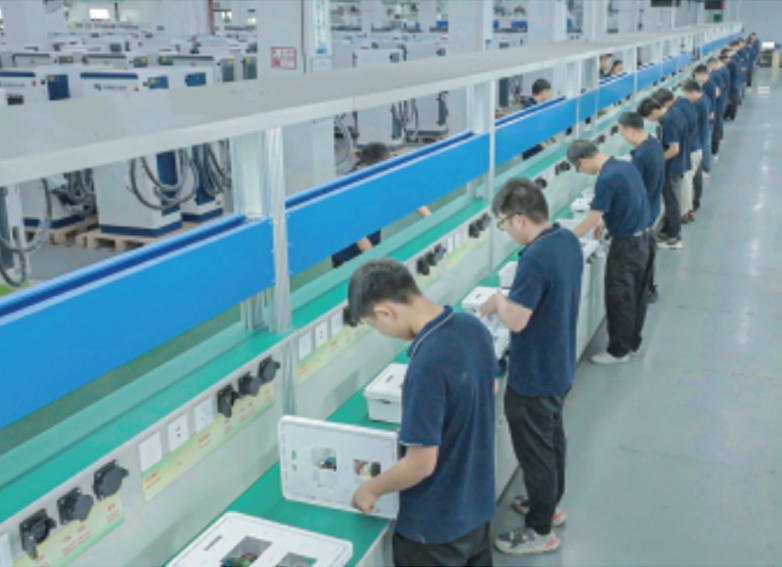
Hangzhou HK Charger Co., Ltd. is a leading manufacturer specializing in home, commercial, and industrial energy storage solutions, providing innovative systems for renewable integration, load balancing, and intelligent energy management. The company focuses on delivering reliable, efficient, and scalable energy storage products to meet the growing demand for clean, sustainable power.
HK Charger’s portfolio includes centralized and distributed storage systems, mobile and modular battery units, and hybrid solutions that seamlessly integrate with solar, wind, and other renewable energy sources. Each system is designed with smart monitoring, real-time performance tracking, and advanced load balancing capabilities, ensuring optimal energy efficiency, cost savings, and grid stability across various applications.
Committed to sustainability and technological innovation, Hangzhou HK Charger emphasizes intelligent energy management features, including remote monitoring, predictive maintenance, and scalable modular design. These solutions enable homeowners, businesses, and industrial operators to optimize energy usage, reduce peak demand charges, and maintain reliable power supply even in off-grid scenarios.
With strict adherence to international quality and safety standards, continuous R&D investment, and a customer-focused approach, Hangzhou HK Charger Co., Ltd. has established itself as a trusted China manufacturer in the energy storage industry. The company’s mission is to provide smart, efficient, and sustainable energy storage solutions that empower users to integrate renewable energy, enhance operational efficiency, and contribute to a greener future.
To quantify information gain and provide enterprise buyers with verifiable evaluation tools, we break down the physics, battery degradation math, and revenue generation formulas governing modern BESS energy arbitrage.
The gross daily monetary return ($R_{daily}$) of an energy storage arbitrage project is defined by the price delta between discharge and charge periods, scaled by system efficiency and battery degradation costs:
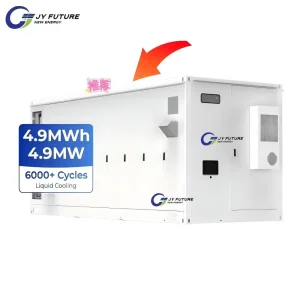
System Round-Trip Efficiency (RTE) is a crucial determinant of profitability. Thermally optimized liquid-cooled BESS containers consistently deliver 3.5% to 5.2% higher RTE over legacy air-cooled units by eliminating internal cell thermal gradient variances.
Tier-1 OEM Lithium Iron Phosphate (LiFePO4) chemistry maintains >80% capacity retention after 6,000 to 8,000 cycles under standard 0.5C/0.5C charge-discharge rates, ensuring 15+ years of daily dual-cycling operational lifetime.
Modern Power Conversion Systems (PCS) utilize Silicon Carbide (SiC) MOSFET topology, achieving conversion efficiency curves above 98.8%, reducing heat dissipation requirements and footprint by over 30%.
Intelligent Energy Management Systems (EMS) integrate real-time grid monitoring with predictive AI algorithms to trigger microsecond discharge, shaving demand spikes before commercial utility meters register peak intervals.
A rigorous comparative analysis of key global engineering standards, safety certifications, thermal management designs, and EMS software intelligence across leading manufacturers.
| Evaluation Parameter | Tier-1 Industry Standard | Hangzhou HK Charger Standard | Commercial Impact |
|---|---|---|---|
| Cell Chemistry & Life Cycle | LFP (3.2V) / 5,000 Cycles @ 80% DOD | Premium LFP 6,000 - 8,000 Cycles | Extends project operational life from 10 to 15+ years |
| Thermal Management | Forced Air Cooling (Air-Cooled) | Liquid Cooled & Air Cooled Options | Liquid cooling stabilizes cell temp delta ≤ 2.5°C; increases RTE by ~4% |
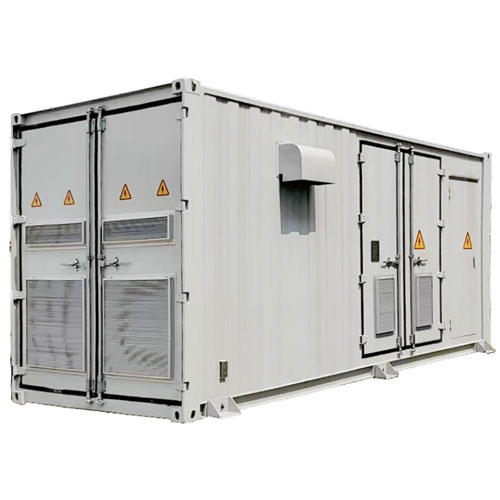
| Container Integration | Standard 20ft / 40ft High Cube ISO | 10ft / 20ft Modular & IP54 Door Enclosures | Reduces site footprint by 25% and streamlines field installation |
| System Fire Safety | Single-stage gas suppression (FM200) | Multi-Stage Aerosol + Liquid NFPA 855 | Prevents thermal runaway propagation at cell and module level |
| EMS & Arbitrage Algorithms | Static Time-of-Use Schedule Control | AI Predictive Dynamic TOU + VPP Ready | Maximizes monetary yield by dynamic day-ahead market bidding |
| Compliance & Certifications | CE, UN38.3 | CE, IEC 62619, UL 9540A, UN38.3 | Ensures frictionless grid interconnection and insurance compliance |
Why sourcing industrial energy arbitrage hardware directly from premier Chinese hubs like Hangzhou yields unmatched cost efficiency, scale, and rapid customized deployment.
China commands over 75% of global lithium-ion cell manufacturing and cathode precursor refinement. Chinese OEMs benefit from direct factory supply lines for raw materials, reducing system cost per kWh by up to 35% compared to Western assemblers.
From initial single-line diagram (SLD) layout approval to Factory Acceptance Testing (FAT), Chinese engineering teams streamline procurement lead times from 48 weeks down to 12-16 weeks for turnkey 1MWh+ containerized systems.
Whether custom voltage ranges (400V to 1500V DC), custom container footprint constraints, or hybrid microgrid integration, Chinese suppliers offer extensive customization without prohibitive engineering fees.
Real-world integration blueprints showing how commercial facilities execute peak demand shaving and dynamic pricing exploitation.
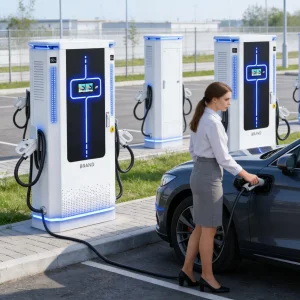
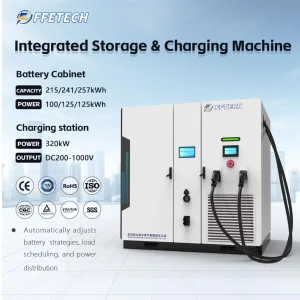
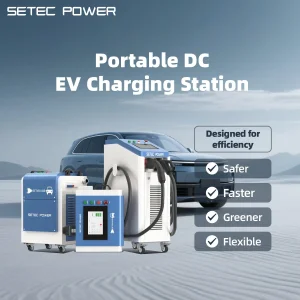
Ultrafast EV chargers create sudden demand spikes that trigger massive utility penalty fees. Integrating a 215kWh to 500kWh BESS buffers grid draw, charging during low-cost hours and supplementing power during concurrent vehicle fast-charging events.
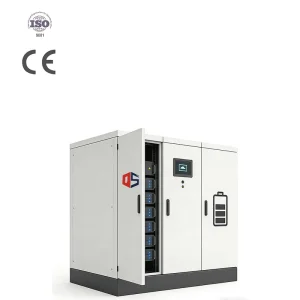
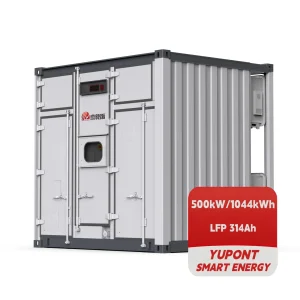
Factory equipment startups often generate momentary power surges. Distributed air-cooled and liquid-cooled BESS containers absorb these surges, preventing breaker trips, flattening transformer load curves, and generating revenue through daily TOU tariff shifting.
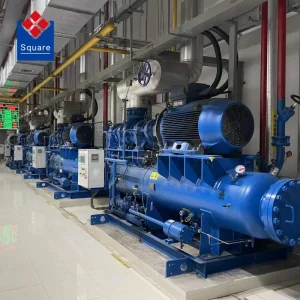
Cold storage facilities operate continuously with heavy power consumption. Coupling BESS with solar PV allows facilities to capture excess solar power mid-day, store it, and discharge during peak evening tariff windows, slashing refrigeration overhead by up to 50%.
Solar generation peaks at midday, often leading to grid curtailment. Energy arbitrage storage systems absorb unexportable solar power and feed it back during peak evening demand hours, maximizing the internal rate of return (IRR) of solar assets.
The next decade of energy storage innovation is defined by high-voltage architectures, AI dispatch systems, and vehicle-to-grid integration.
Moving from traditional 1000V to 1500V DC topologies reduces cable copper volume, lowers system energy losses, and increases energy density inside 20ft containerized systems by up to 30%.
Modern EMS platform algorithms leverage machine learning to analyze real-time spot market pricing, weather forecasts, and historical factory consumption to execute autonomous dynamic energy trading.
While LFP dominates current deployments, Sodium-ion batteries are emerging as a cost-effective alternative for stationary energy arbitrage in extreme cold environments (-30°C to +50°C operating window).
In-depth answers to critical procurement and operational engineering questions regarding energy arbitrage hardware deployment.
Explore our extended catalog of Level 3 DC Fast EV Chargers, containerized hybrid battery systems, and energy-efficient industrial units.
 HK Charger