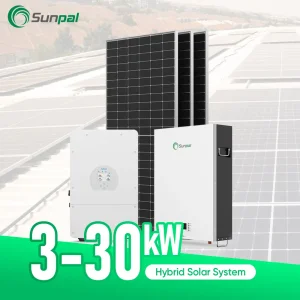
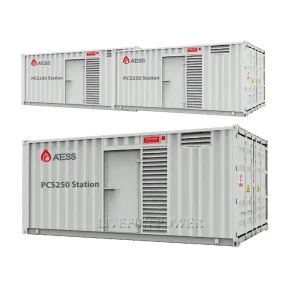
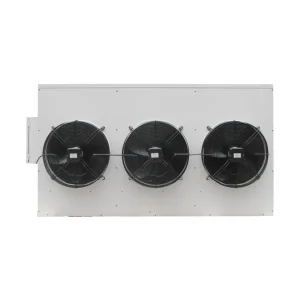
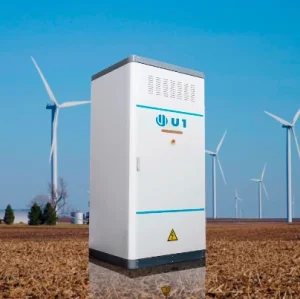
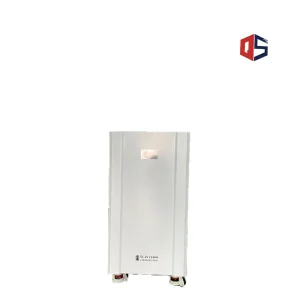
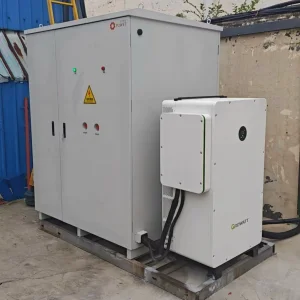
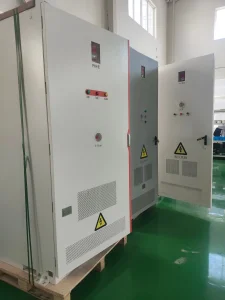
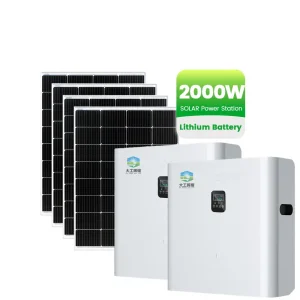
Explore our foundational tier of engineered energy storage deployments. These systems are specifically built to address the critical demands of modern utility grids, commercial microgrids, and premium residential power setups globally.
Hangzhou HK Charger Co., Ltd. is a leading manufacturer specializing in home, commercial, and industrial energy storage solutions, providing innovative systems for renewable integration, load balancing, and intelligent energy management. The company focuses on delivering reliable, efficient, and scalable energy storage products to meet the growing demand for clean, sustainable power.
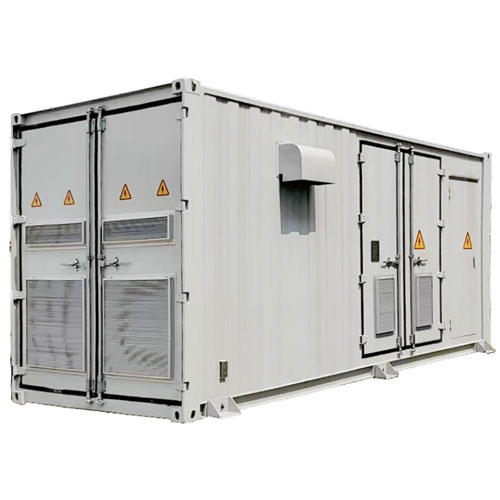
HK Charger’s portfolio includes centralized and distributed storage systems, mobile and modular battery units, and hybrid solutions that seamlessly integrate with solar, wind, and other renewable energy sources. Each system is designed with smart monitoring, real-time performance tracking, and advanced load balancing capabilities, ensuring optimal energy efficiency, cost savings, and grid stability across various applications.
Committed to sustainability and technological innovation, Hangzhou HK Charger emphasizes intelligent energy management features, including remote monitoring, predictive maintenance, and scalable modular design. These solutions enable homeowners, businesses, and industrial operators to optimize energy usage, reduce peak demand charges, and maintain reliable power supply even in off-grid scenarios.
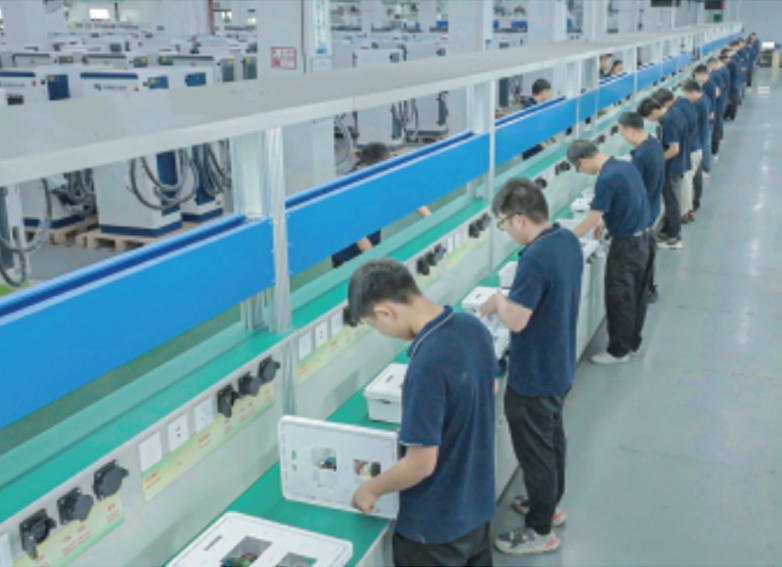
With strict adherence to international quality and safety standards, continuous R&D investment, and a customer-focused approach, Hangzhou HK Charger Co., Ltd. has established itself as a trusted China manufacturer in the energy storage industry. The company’s mission is to provide smart, efficient, and sustainable energy storage solutions that empower users to integrate renewable energy, enhance operational efficiency, and contribute to a greener future.
The macro-industrial positioning of China's energy storage technologies factories represents a convergence of supply chain integration, continuous engineering iterations, and massive economies of scale. China-based facilities do not simply assemble components; they spearhead the technological frontiers of Lithium Iron Phosphate (LiFePO4) chemistry, liquid thermal management systems, and high-voltage Battery Management Systems (BMS).
By locating core manufacturing hubs within contiguous industrial clusters in Zhejiang, Jiangsu, and Guangdong, factories drastically compress logistical lead times for critical materials like lithium carbonate, copper foils, and power semiconductor modules. This raw material security directly yields significant cost benefits and enables rapid prototype development, giving global engineering procurement corporations a pronounced operational advantage.
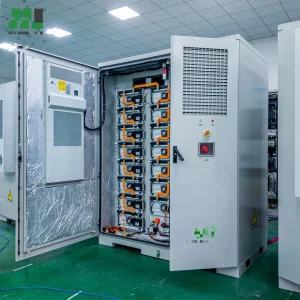
Modern factory assembly lines employ advanced robotic automation for Cell-to-Pack (CTP) and Cell-to-Chassis (CTC) topologies. Automated manufacturing configurations eliminate manual cell sorting variances, using laser impedance testing and computerized state-of-charge calibration to ensure each modular rack demonstrates almost identical electrochemical behaviors. This drastically reduces localized thermal hotspots and significantly mitigates safety concerns associated with cell imbalance over thousands of operational cycles.
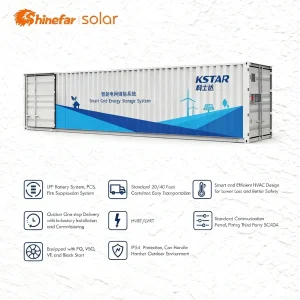
The Battery Energy Storage System (BESS) sector is moving rapidly toward high-voltage architectures, switching from 1000V DC infrastructures to 1500V DC configurations. This engineering shift minimizes auxiliary copper cross-sectional needs, significantly reduces system transmission losses, and improves energy densities across containerized variants.
Reduces systemic resistive power losses while optimizing overall thermal profiles within heavy container architectures.
Implements advanced machine learning algorithms to map, track, and forecast thermal trends and cell health profiles.
Maintains dense pack temperatures within an optimal <3°C temperature variance, extending functional lifecycle duration.
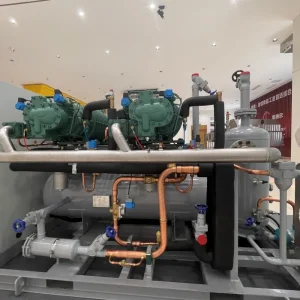
Concurrently, liquid cooling has evolved from an expensive niche application into an absolute procurement requirement for industrial configurations. By directly circulating specialized glycols across the battery module face plates, localized hot spot propagation risks are completely minimized compared to older air-forced HVAC units. This technological shift directly supports long-term structural assets by slowing down capacity degradation curves.
Energy storage implementation demands meticulous local tailoring based on regional environmental profiles, regional regulatory compliance codes, and precise layout topographies:
For high-cost industrial sectors, localized energy storage systems run automated algorithms that charge during off-peak times and discharge during localized maximum draw events. This eliminates expensive peak demand surcharges and provides crucial commercial independence from utility grid variations.
In islanded installations or remote geographic mining locations, containerized BESS arrays integrate seamlessly with local PV fields and heavy backup diesel generators. Equipped with autonomous black-start capacity and advanced Virtual Synchronous Generator (VSG) algorithms, these set ups dynamically maintain stable regional voltage and frequency levels without needing traditional central utility lines.
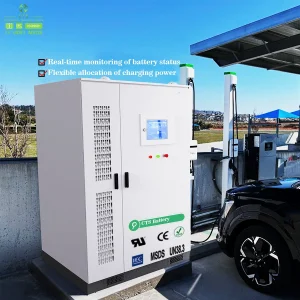
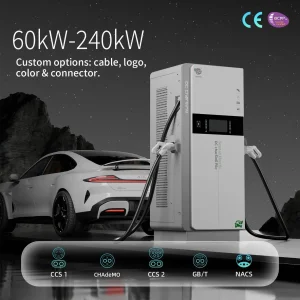
As Megawatt Charging Systems (MCS) expand globally, physical utility feeds can struggle during simultaneous fast-charging events. Integrating localized liquid-cooled battery units creates an electrical buffer, protecting upstream infrastructure while enabling reliable multi-car fast charging.
At the utility scale, energy storage platforms serve as essential grid infrastructure assets, managing the inherent intermittency of rapid renewable energy expansion. High-density utility arrays offer fast frequency response (FFR), helping grid operators stabilize network parameters within milliseconds of generation loss or unexpected cross-regional load shifts.
By utilizing advanced solid-insulated busbars and localized multi-point aerosol fire suppression setups, modern BESS assets achieve exceptional reliability and risk mitigation. This robust industrial design allows systems to be placed near legacy substation frameworks without requiring expensive structural re-engineering or risking thermal runaway propagation across nearby utility lines.
For institutional buyers, EPC contractors, and global distribution companies, standard manufacturing metrics must line up perfectly with strict international compliance frameworks. Evaluating an energy storage factory requires checking past documentation on product life testing, safety metrics, and automated manufacturing standards:
Demands complete verification across UL 9540A, IEC 62619, CE, and UN 38.3 regulatory layers prior to border clearance.
Requires complete dual-channel micro-controller redundancy to prevent sudden overcharge, voltage, or current spikes.
Guarantees certified Class 9 hazardous material transport workflows across maritime links to secure field arrivals.
By working directly with manufacturers that prioritize transparent end-to-end testing protocols, procurement groups ensure long-term site reliability, secure local project permitting, and maximize return on equity investments over decades of service.
LiFePO4 offers exceptional thermal stability and a high thermal runaway threshold (around 270°C compared to NMC's ~210°C). This chemistry prevents structural oxygen release during short-circuit scenarios, ensuring high safety margins, lower degradation rates, and longer operational lifecycles over thousands of cycles.
Liquid cooling provides high thermal capacity by carrying heat away directly through integrated cooling plates. This system maintains individual battery cell temperature variances within a narrow <3°C window. It also reduces auxiliary power consumption by up to 30% and prevents hot spot propagation compared to traditional air-vent designs.
Moving to a 1500V DC configuration allows for higher energy density per unit footprint and reduces overall system cabling weight. This design enables longer serial cell configurations, minimizes transmission losses, and increases the power output capacity of central inverters by up to 40%.
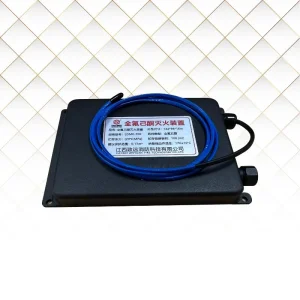
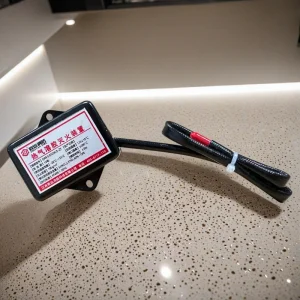
Modern tier-1 setups utilize multi-layered protection systems. This includes ultra-sensitive off-gas sensors that detect early carbon monoxide or hydrogen venting, automated compartment-level gas extraction, and localized aerosol fire suppression units designed to extinguish fires quickly without damaging nearby electronic components.
The EMS acts as the central control system, processing real-time data inputs from local solar PV arrays, backup diesel generators, and the battery storage banks. By calculating immediate load demands and running predictive weather and pricing algorithms, it dynamically manages power routing to optimize fuel savings and prolong battery health.
Factories maintain high precision through automated internal resistance matching, high-resolution capacity sorting, and active balancing circuits within the Battery Management System (BMS). This active balancing continuously redistributes energy from higher-voltage cells to lower-voltage ones during charge cycles, preventing localized cell exhaustion.
Key international compliance standards include IEC 62619 for safety testing of industrial lithium batteries, UL 9540A for evaluating thermal runaway fire propagation, and local grid code compliance certifications (such as IEEE 1547 or European EN standards) to ensure safe, stable grid interconnection.
Under optimal thermal management and standard charging profiles (0.5C/0.5C rates at 80% Depth of Discharge), premium tier-1 systems generally maintain 75% to 80% of their initial capacity after 10 years of continuous daily cycling, depending on site conditions and operational practices.
Review our secondary portfolio of high-efficiency utility systems, high-voltage rack setups, and advanced EV-charging integrated storage solutions tailored for demanding modern applications.
 HK Charger