Global energy networks are undergoing a massive transition from centralized fossil-fuel generation to dynamic, decentralized green networks. As wind and solar become dominant energy sources, grid instability becomes a critical bottleneck. Regenerative energy systems act as the structural bridge, converting variable clean electricity into dispatchable, stable power.
At Hangzhou HK Charger Co., Ltd., we develop utility-scale grid-forming storage, commercial energy balancing systems, and distributed smart microgrid hardware to resolve structural curtailment. By combining multi-megawatt battery systems with smart energy controllers, industrial operators can dynamically manage power output, absorb surplus solar energy, and inject power back into local distribution lines during peak congestion periods. Our solutions effectively mitigate thermal overload in local substations, enhance power quality, and prevent costly peak-demand network upgrades.
On a macro-economic scale, regenerative energy systems function not merely as localized backups, but as critical grid-forming infrastructure. They actively support grid frequency deviations and prevent cascading outages through sub-millisecond dynamic active and reactive power response times. From large-scale photovoltaic stations to offshore wind power farms, our battery energy storage systems (BESS) minimize the mismatch between power demand and supply curve models.
High utility tariffs, strict carbon-reduction mandates, and grid transmission fees are driving commercial and industrial (C&I) enterprises globally to invest in high-capacity regenerative energy systems. In Europe, North America, and parts of Asia, dynamic time-of-use (TOU) tariffs create substantial arbitrage opportunities. By storing cheap off-peak power (or surplus on-site solar energy) and discharging it during peak periods, manufacturers can reduce electricity costs by up to 40%.
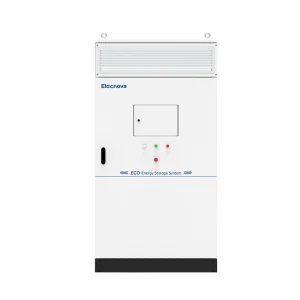
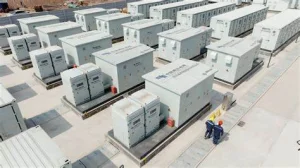
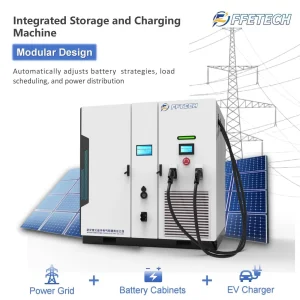
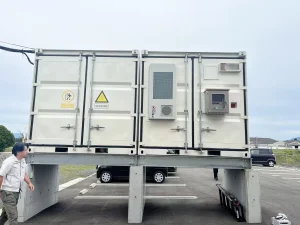
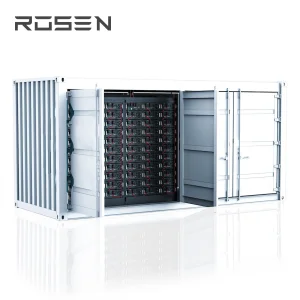
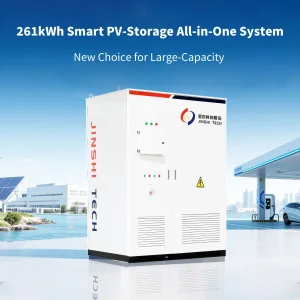
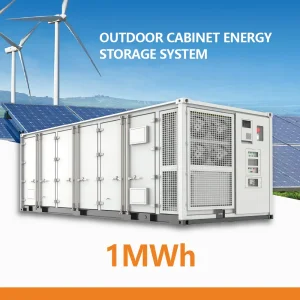
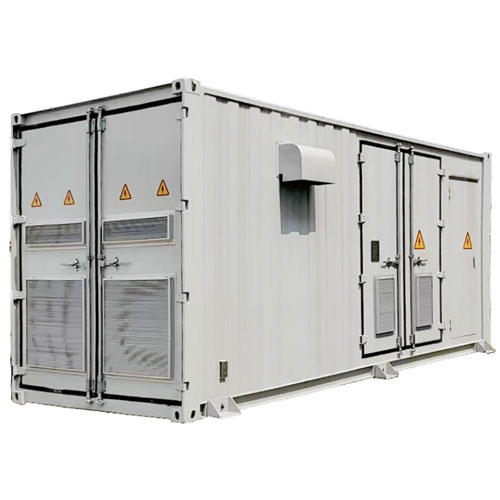
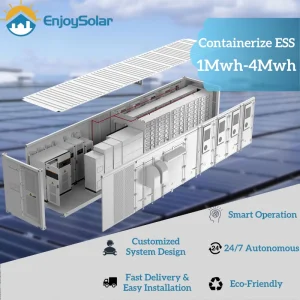
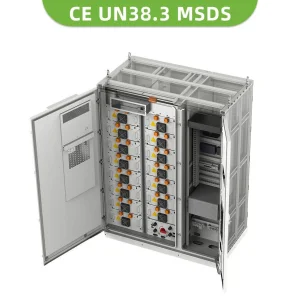
Our multi-kilowatt and megawatt solutions—including specialized modular cabinets and large containerized lithium-ion configurations—address the exact needs of modern commercial properties, automated manufacturing facilities, data centers, and critical cold-chain systems. Incorporating localized energy management systems allows operations to run uninterrupted even under complete grid failures.
| System Capacity Class | Primary Industrial Use-Case | Cooling Technology | Target Efficiency |
|---|---|---|---|
| 100kW - 250kWh Cabinet | Commercial Retail & SME Manufacturing Peak-Shaving | Intelligent Forced Air Cooling | ~92% System Efficiency |
| 500kW - 1MWh Modular Unit | Industrial Factories, Grid Ancillary Services, Large EV Hubs | Liquid Cooling & Air Cooling hybrid | ~95% System Efficiency |
| 2MWh - 5MWh Container | Utility Grid Integration, Large Mining Sites, Microgrids | Advanced Closed-loop Liquid Cooling | ~98% System Efficiency |
Moreover, the global deployment of microgrid hardware has transitioned from isolated test projects to full commercial integration. Businesses utilizing high-performance regenerative hardware benefit from enhanced grid resiliency, lower scope 2 emissions, and protection against unstable power distribution in peripheral municipal areas.
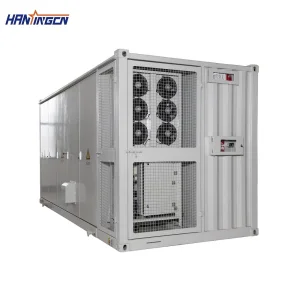
Operating a lithium-ion battery system under extreme temperatures accelerated cell degradation and poses safety hazards. Modern safety practices demand advanced heat dissipation solutions. Our Liquid Cooling Lithium-Ion Battery Container Systems maintain internal cell temperature variations within a narrow ±2°C window. This precise control extends battery life by 20% compared to traditional forced-air system layouts.
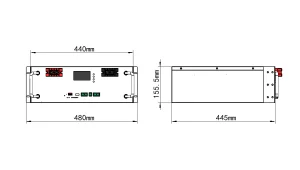
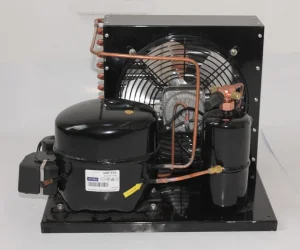
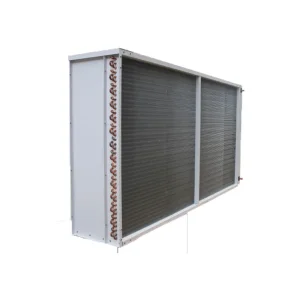
For mid-scale industrial sites, our engineered Air Cooling Commercial Battery Pack Systems leverage internal computational fluid dynamics (CFD) designed ducting to ensure even thermal distribution across high-voltage cell stacks. High-precision sensor arrays continually monitor cell temperature, voltage, and internal resistance, communicating instantly via standard Modbus TCP or CAN bus systems to prevent thermal runaway.
Multi-tier Battery Management Systems (BMS) monitor SOC, SOH, and SOF in real time, preventing over-charge, over-discharge, and localized hot spots.
Equipped with virtual synchronous generator (VSG) technology to provide voltage and frequency support directly to isolated local distribution systems.
Integrated aerosols, Novec 1230, or clean-agent fire suppression modules designed to meet strict international NFPA 855 safety regulations.
Environmental conditions and local utility rules differ dramatically across geographic markets. A regenerative energy system designed for coastal humidity must differ fundamentally from one intended for dry, high-altitude regions or northern sub-zero climates.
In environments experiencing freezing winters or scorching summers, standard batteries degrade rapidly. Our liquid-cooled ESS containers feature active heat pumps and internal thermal insulation, maintaining optimal cell performance from -30°C to +55°C.
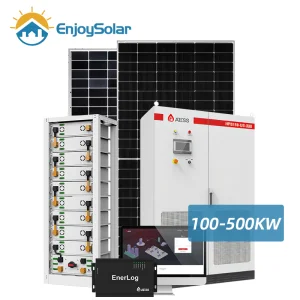
Off-grid operations like mining sites, remote agricultural plants, and isolated resorts require a robust and reliable primary power source. By pairing our hybrid systems with on-site diesel generators and solar arrays, businesses can reduce fuel usage by up to 70%.
With EV charging stations straining urban distribution grids, localized energy storage systems assist by charging during low-demand periods and discharging when multiple EVs fast-charge simultaneously, preventing grid overloads.
Deploying high-voltage regenerative equipment requires strict adherence to international safety and grid connection codes. As a premium manufacturer, Hangzhou HK Charger Co., Ltd. ensures all units are fully tested under relevant standards to facilitate smooth grid integration and site permitting.
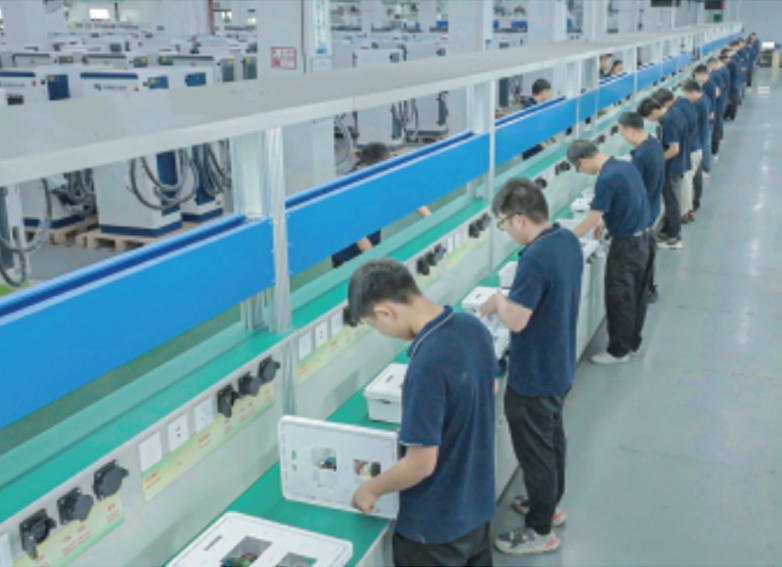
Our systems comply with major global certifications, including UN38.3 for safe battery transport, IEC 62619 for safety in industrial applications, UL 9540A for testing thermal runaway fire propagation, and CE directives for the European market.
Beyond certifications, we work with localized engineering teams to offer complete system design, installation support, and commissioning guidance. By maintaining overseas service hubs and providing cloud-based remote diagnostics, our technicians help customers troubleshoot and resolve potential system issues promptly, ensuring minimal operational downtime.
Hangzhou HK Charger Co., Ltd. is a leading manufacturer specializing in home, commercial, and industrial energy storage solutions, providing innovative systems for renewable integration, load balancing, and intelligent energy management. The company focuses on delivering reliable, efficient, and scalable energy storage products to meet the growing demand for clean, sustainable power.
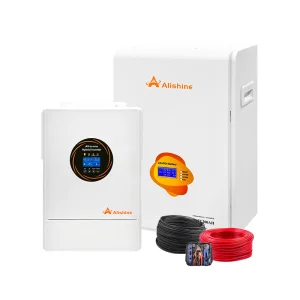
HK Charger’s portfolio includes centralized and distributed storage systems, mobile and modular battery units, and hybrid solutions that seamlessly integrate with solar, wind, and other renewable energy sources. Each system is designed with smart monitoring, real-time performance tracking, and advanced load balancing capabilities, ensuring optimal energy efficiency, cost savings, and grid stability across various applications.
Committed to sustainability and technological innovation, Hangzhou HK Charger emphasizes intelligent energy management features, including remote monitoring, predictive maintenance, and scalable modular design. These solutions enable homeowners, businesses, and industrial operators to optimize energy usage, reduce peak demand charges, and maintain reliable power supply even in off-grid scenarios.
With strict adherence to international quality and safety standards, continuous R&D investment, and a customer-focused approach, Hangzhou HK Charger Co., Ltd. has established itself as a trusted China manufacturer in the energy storage industry. The company’s mission is to provide smart, efficient, and sustainable energy storage solutions that empower users to integrate renewable energy, enhance operational efficiency, and contribute to a greener future.
The future of energy storage is defined by solid-state advancements, higher power densities, and AI-driven management. Our research focuses on transition systems that optimize power usage patterns.
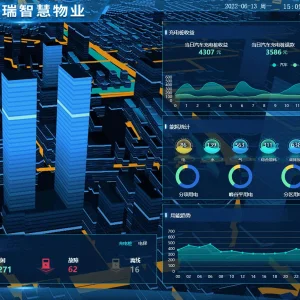
By utilizing advanced AI algorithms within our cloud-connected Energy Management Systems (EMS), future HK Charger configurations will automatically calculate utility pricing shifts, historical load patterns, and weather forecasts. This lets the system schedule charge and discharge cycles pre-emptively, maximizing ROI. We are also testing next-generation cobalt-free chemistries and sodium-ion cells to provide cost-effective alternatives for highly cyclic backup applications.
 HK Charger