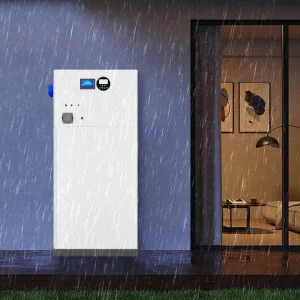
Explore our premier hardware solutions designed for seamless Virtual Power Plant integration, dynamic grid synchronization, and distributed storage intelligence.
The global energy landscape is undergoing a structural paradigm shift from centralized thermal generation to decentralized, weather-dependent renewable energy sources. This transition creates significant grid instability, severe frequency volatility, and duck-curve demand spikes. Virtual Power Plants (VPPs) have emerged as the foundational digital-physical infrastructure required to solve these challenges.
A Virtual Power Plant is a cloud-based distributed power plant that aggregates heterogeneous Distributed Energy Resources (DERs)—including commercial & industrial Battery Energy Storage Systems (BESS), EV fast-charging stations, flexible HVAC cooling loads, and rooftop PV installations. By aggregating these assets into a single controllable software portfolio, VPPs participate dynamically in energy spot markets, frequency regulation (FCR/aFRR), and grid peak shaving, delivering utility-grade reliability without the massive capital expenditure of traditional power plants.
Hangzhou HK Charger Co., Ltd. is a leading manufacturer specializing in home, commercial, and industrial energy storage solutions, providing innovative systems for renewable integration, load balancing, and intelligent energy management. The company focuses on delivering reliable, efficient, and scalable energy storage products to meet the growing demand for clean, sustainable power.
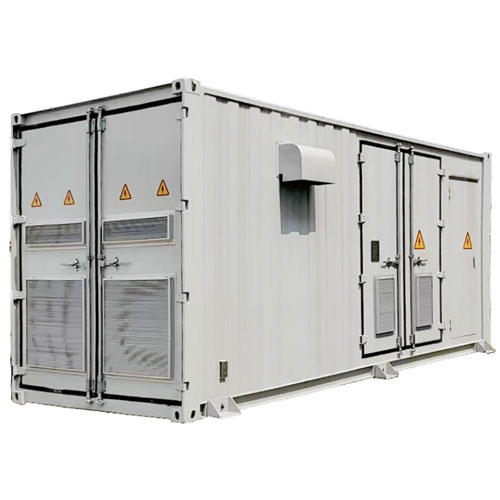
HK Charger’s portfolio includes centralized and distributed storage systems, mobile and modular battery units, and hybrid solutions that seamlessly integrate with solar, wind, and other renewable energy sources. Each system is designed with smart monitoring, real-time performance tracking, and advanced load balancing capabilities, ensuring optimal energy efficiency, cost savings, and grid stability across various applications.
Committed to sustainability and technological innovation, Hangzhou HK Charger emphasizes intelligent energy management features, including remote monitoring, predictive maintenance, and scalable modular design. These solutions enable homeowners, businesses, and industrial operators to optimize energy usage, reduce peak demand charges, and maintain reliable power supply even in off-grid scenarios.
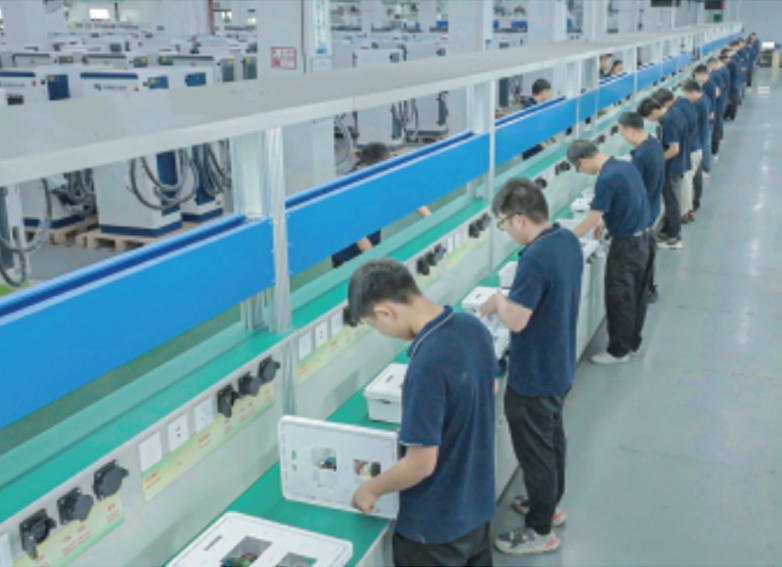
With strict adherence to international quality and safety standards, continuous R&D investment, and a customer-focused approach, Hangzhou HK Charger Co., Ltd. has established itself as a trusted China manufacturer in the energy storage industry. The company’s mission is to provide smart, efficient, and sustainable energy storage solutions that empower users to integrate renewable energy, enhance operational efficiency, and contribute to a greener future.
To qualify for grid operator compliance and wholesale market bidding, a Virtual Power Plant infrastructure must seamlessly bridge physical hardware assets with edge intelligence and cloud-level orchestration. Hangzhou HK Charger manufactures hardware specifically optimized across all three architectural layers:
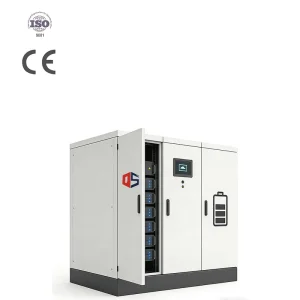
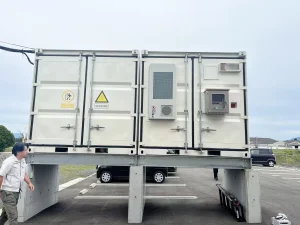
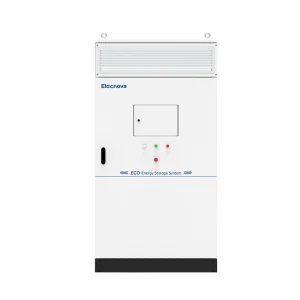
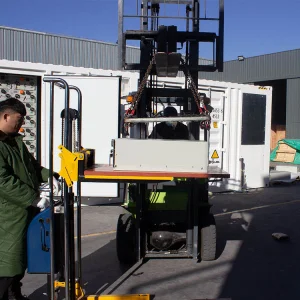
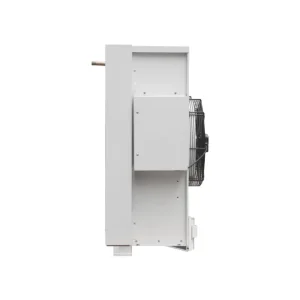
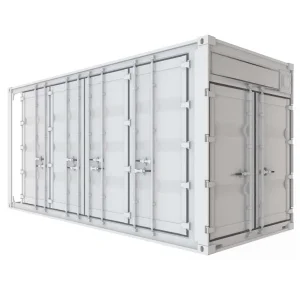
Includes high-density LFP containerized battery systems (e.g., 215kWh to 4MWh Liquid-Cooled BESS), bidirectional Level 3 fast EV chargers, precision evaporative cooling units, and hybrid solar string inverters. These physical assets execute immediate load shifting, energy injection, or reactive power adjustment.
Edge Energy Management Controllers deployed at factory sites sample real-time telemetry (voltage, frequency, State of Charge, thermal limits) at sub-second intervals. Utilizing protocols like OpenADR 2.0b, Modbus TCP, and IEC 61850, edge devices translate cloud signals into instantaneous hardware actions.
Cloud algorithms aggregate telemetry across thousands of node endpoints. Using machine learning predictive models based on weather trends, localized electricity spot pricing, and battery health telemetry, the cloud orchestrates complex bid execution for ancillary service markets.
| Asset Classification | Target Applications | Key Dispatch Protocol | VPP Grid Value Proposition |
|---|---|---|---|
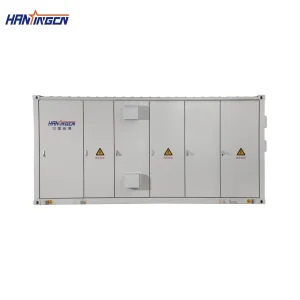
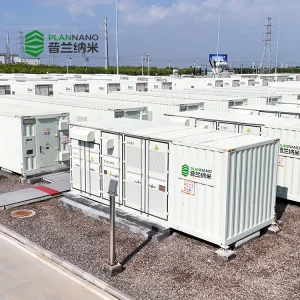
| Containerized BESS (Liquid/Air-Cooled) | Industrial Parks, Utility Scale Substation | Modbus TCP / CAN 2.0 / OpenADR | Sub-second Fast Frequency Response (FFR), Peak Arbitrage |
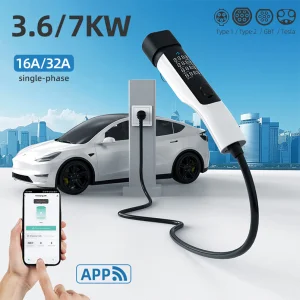
| Commercial Level 3 DC EV Chargers | Fleet Logistics Hubs, Public Depots | OCPP 1.6J / OCPP 2.0.1 / ISO 15118 | Vehicle-to-Grid (V2G) & Smart Controlled Fast Load Shedding |
| Industrial Precision Air Coolers | Data Centers, Precision Factories | BACnet / RS485 / Modbus RTU | Flexible Thermal Inertia Demand Response (DR) Shedding |
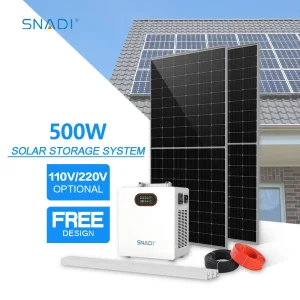
| Modular All-in-One Solar ESS | Commercial Rooftops, Microgrids | IEEE 2030.5 / SunSpec | Renewable Smoothing, Zero-Export Control, Microgrid Resilience |
Selecting the right OEM/ODM manufacturing partner in China is critical for international energy aggregators, EPC contractors, and utility suppliers seeking competitive cost structures and high hardware reliability.
China commands over 85% of the world's Lithium Iron Phosphate (LFP) cell production capacity. Hangzhou HK Charger leverages direct tier-1 cell supply chains, delivering industry-leading energy density, 6000+ deep cycle lifetimes, and structural fire safety engineered directly into our BESS modules.
Combining high-efficiency Power Conversion Systems (PCS) with wide-bandgap silicon carbide (SiC) topologies allows Chinese factories to offer higher round-trip efficiencies (RTE > 90%) at competitive price-per-kilowatt-hour ratios unattainable in Western markets.
All VPP-ready hardware manufactured at Hangzhou HK Charger undergoes rigorous testing to meet strict international standards, including CE, IEC 62619, IEC 61000 EMC, and UN38.3 transport certifications, ensuring rapid approval by local grid operators in Europe, the Americas, and APAC.
Deploying VPP infrastructure requires tailoring hardware response speeds and power densities to exact localized commercial realities. Key global deployment profiles include:
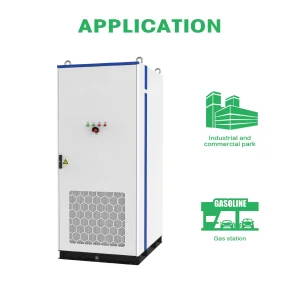
Factory complexes utilize our 215kWh all-in-one storage cabinets and 4MWh containerized liquid-cooling energy systems. During peak tariff hours, the VPP automatically shifts the industrial load to storage. During grid instability events, the systems transition smoothly into islanded microgrids, keeping manufacturing lines online.
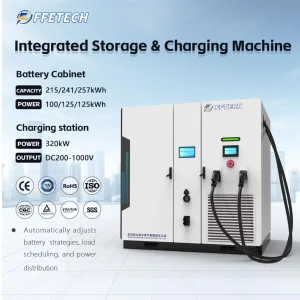
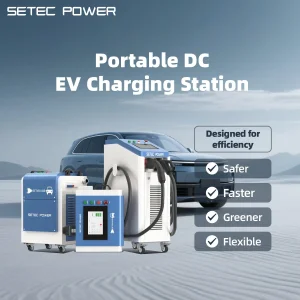
Fast-charging hubs equipped with Hangzhou HK Charger's 10-60kW portable and static DC fast chargers present massive dynamic load profiles. By integrating localized BESS cabinets, charging hub operators cap their grid demand charges while making their charger networks available for grid frequency modulation.
Industrial data centers and server farms pair precision HVAC evaporative air coolers (12.5KW to 50.4KW) with localized battery banks. During localized demand-response events, thermal inertia allows temporary cooling output adjustments without compromising server safety, freeing up critical power capacity.
When procuring Virtual Power Plant hardware from China factories, procurement directors and systems integrators must evaluate several critical decision criteria:
Ensure the hardware natively supports open-standard communication protocols (OpenADR 2.0b, OCPP 1.6J/2.0.1, Modbus TCP, SunSpec). Proprietary, closed-protocol systems restrict software flexibility and increase integration overhead for aggregators.
For high-C-rate dynamic charging/discharging typical of VPP frequency market trading, select liquid-cooled containerized BESS options. Liquid cooling maintains uniform cell temperature variance within ±2°C, extending pack life by up to 20% compared to traditional forced-air systems.
Evaluate hardware on a cost-per-cycle basis over a 10 to 15-year operational lifecycle. Modular systems—such as parallel-connected lithium cabinets—allow project developers to scale capacity iteratively as grid service commitments increase.
Hangzhou HK Charger Co., Ltd. provides a complete end-to-end lineup of smart energy storage systems, EV chargers, and precision environmental controllers engineered specifically for open-protocol communication and rapid edge control. Our hardware features integrated smart EMS controllers capable of real-time load balancing and remote grid dispatching.
Our energy storage cabinets, PCS inverters, and EV chargers support open communication protocols including OpenADR 2.0b, OCPP 1.6J/2.0.1, Modbus TCP, and RS485. This enables seamless, plug-and-play API/gateway integration with global cloud platform aggregators like AutoGrid, EnergyHub, and KrakenFlex.
Our modular BESS and high-voltage containerized units feature hardware-level power conversion response times under 100 milliseconds from the moment a Modbus dispatch signal is received by the local EMS controller, fully qualifying for strict utility FFR market requirements.
VPP operational strategies involve frequent micro-cycling and rapid power ramps for grid stabilization. Liquid cooling provides uniform thermal distribution across all cells (maintaining temperatures within a ±2°C window), preventing hot spots, extending battery degradation limits, and enabling higher C-rate continuous operation.
Yes. As a primary China manufacturer, we specialize in custom battery enclosure dimensioning, voltage output matched to regional grids (e.g., 380V/400V/480V AC), custom EMS software flashing, and white-label cabinet design tailored to enterprise purchasing requirements.
Our core battery systems and EV charging hardware carry comprehensive certifications including CE, IEC 62619, IEC 61000 EMC standards, and UN38.3 for lithium battery transport safety, allowing seamless commercial deployment across international markets.
Explore additional factory-direct hardware lines supporting distributed generation, flexible cooling loads, and commercial EV charging hubs.
 HK Charger