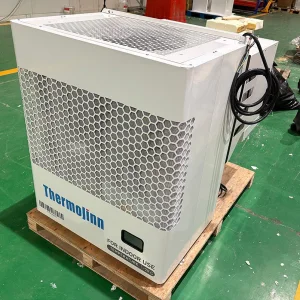
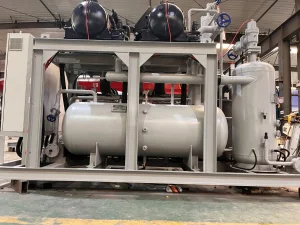
High-reliability thermal systems specifically engineered to interface with modern maritime energy infrastructures and microgrids in Genoa.
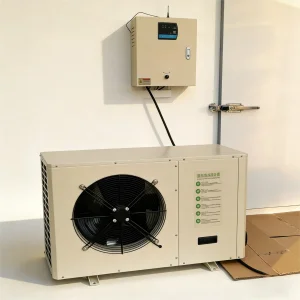
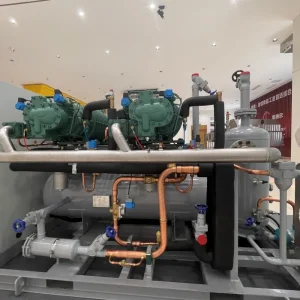
Genoa, serving as Italy's primary maritime gateway and a major logistical hub for Southern Europe, is undergoing a profound energy shift. Driven by EU-wide green mandates, the decarbonization of the Port of Genoa (Porto di Genova) requires substantial local electrification. Large-scale projects like the E-Port initiatives, shore-to-ship power (cold ironing), and automated electric transport terminals are placing unprecedented strains on the local Ligurian grid infrastructure. Consequently, modern industrial battery energy storage systems (BESS) have transitioned from being a supportive accessory to a critical component of regional energy distribution networks.
In parallel, the region's expansive cold storage and refrigerated logistics networks, which manage high-value agricultural exports, seafood, and pharmaceutical supplies, represent a significant source of power demand. Because these operations are highly sensitive to power quality and interruptions, integrating intelligent, battery-assisted thermal management systems has become the standard mechanism for stabilizing local operations. Industrial energy storage systems operating alongside high-efficiency compressor units enable operators to store power during low-demand periods and utilize it during peak periods. This methodology ensures uninterrupted operations even during grid voltage drops, which are common in coastal port zones.
To maximize efficiency in Genoa’s maritime supply chains, modern industrial hubs are adopting hybrid energy storage strategies. By coupling electrical energy storage (typically Lithium Iron Phosphate, or LFP chemistry) with thermal energy systems (in the form of high-density cooling fluids or Phase Change Materials within cold storage structures), operators can optimize their power draw. For example, during periods of peak solar generation in Northern Italy, excess power is routed to charge the battery storage bank and sub-cool the refrigeration units. During peak pricing hours, the facility uses the stored chemical energy in the batteries to power the circulation pumps, while the pre-cooled thermal mass of the storage compartments reduces the load on high-horsepower compressor units.
Provides critical dynamic frequency response, synthetic inertia, and reactive power injection to counteract grid instabilities associated with shore-power installations.
Pairs with local photovoltaic installations, co-generation systems, and electric vehicle fleet chargers across Genoese logistics parks.
Engineered to fully satisfy the stringent safety regulations of European standards, including CEI 0-16 for medium and high-voltage grid grid code requirements in Italy.
Discover how Hangzhou HK Charger Co., Ltd. delivers global-standard energy storage technologies tailored to European maritime and logistics needs.
Hangzhou HK Charger Co., Ltd. is a leading manufacturer specializing in home, commercial, and industrial energy storage solutions, providing innovative systems for renewable integration, load balancing, and intelligent energy management. The company focuses on delivering reliable, efficient, and scalable energy storage products to meet the growing demand for clean, sustainable power.
HK Charger’s portfolio includes centralized and distributed storage systems, mobile and modular battery units, and hybrid solutions that seamlessly integrate with solar, wind, and other renewable energy sources. Each system is designed with smart monitoring, real-time performance tracking, and advanced load balancing capabilities, ensuring optimal energy efficiency, cost savings, and grid stability across various applications.
Committed to sustainability and technological innovation, Hangzhou HK Charger emphasizes intelligent energy management features, including remote monitoring, predictive maintenance, and scalable modular design. These solutions enable homeowners, businesses, and industrial operators to optimize energy usage, reduce peak demand charges, and maintain reliable power supply even in off-grid scenarios.
With strict adherence to international quality and safety standards, continuous R&D investment, and a customer-focused approach, Hangzhou HK Charger Co., Ltd. has established itself as a trusted China manufacturer in the energy storage industry. The company’s mission is to provide smart, efficient, and sustainable energy storage solutions that empower users to integrate renewable energy, enhance operational efficiency, and contribute to a greener future.
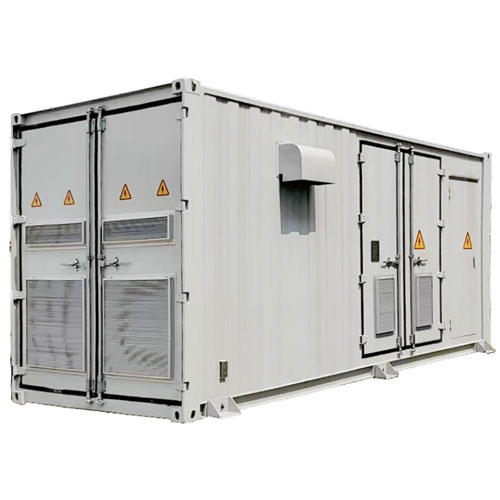
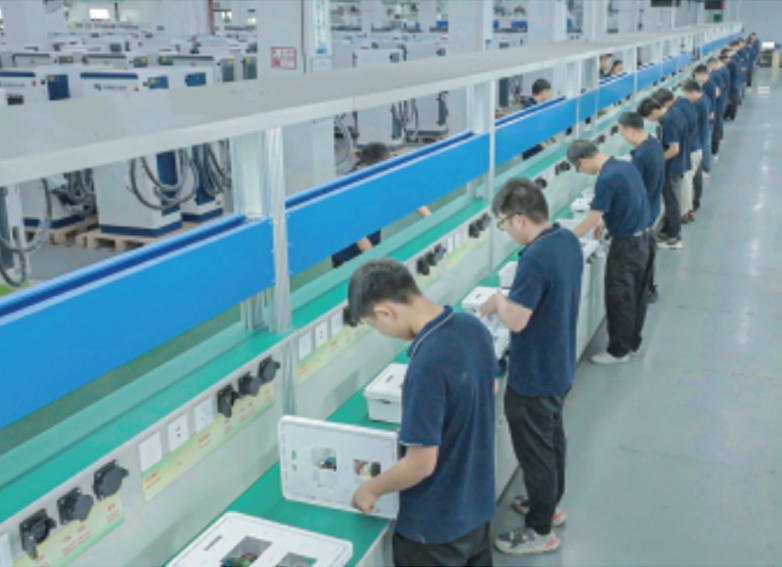
Global procurement teams targeting industrial projects in Genoa look for highly reliable engineering configurations that can withstand the coastal marine environment. Saline air, high humidity, and fluctuating ambient temperatures require robust containerized energy storage configurations with IP65-rated enclosures, corrosion-resistant coatings, and high-performance HVAC systems. Hangzhou HK Charger Co., Ltd. addresses these requirements by utilizing advanced thermal enclosures that prevent condensation and thermal runaway inside the battery compartments.
Furthermore, sourcing energy storage solutions requires compatibility with complex European energy markets. Our systems feature advanced Energy Management Systems (EMS) that interface directly with SCADA systems. This setup supports automated participation in frequency regulation markets (FCR/aFRR) and demand-response programs managed by Terna. These integrations allow operators to generate secondary revenue streams from their battery assets, significantly shortening the payback period for capital investments.
For installations within Liguria, compliance with national and regional grid codes is non-negotiable. Grid connections must satisfy the strict requirements of CEI 0-21 (for low-voltage systems) and CEI 0-16 (for medium-voltage systems connected to the main transmission lines). HK Charger's system configuration includes pre-certified external grid-tie protection relays (SPI) and certified inverters. This design ensures rapid disconnection during grid fault states, low-voltage ride-through (LVRT) capabilities, and precise active/reactive power injection parameters, minimizing project approval timelines with local distribution companies like E-Distribuzione.
To meet the demands of future smart ports and automated industrial facilities, the design architecture of HK Charger systems is shifting toward liquid-cooled BESS containers. Liquid cooling delivers higher thermal consistency across cells, extending the operating life of the batteries to over 6,000 cycles at 80% Depth of Discharge (DoD). This design reduces auxiliary energy consumption by up to 30% compared to traditional forced-air cooling systems, which is a major advantage for facilities operating under strict EU energy efficiency directives.
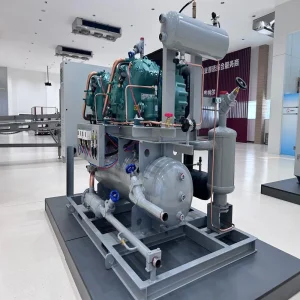
A complete selection of advanced industrial compressor and containerized cooling solutions designed for high-density logistics applications.
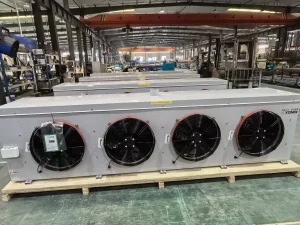
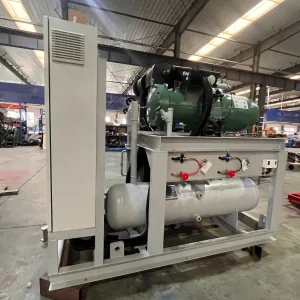
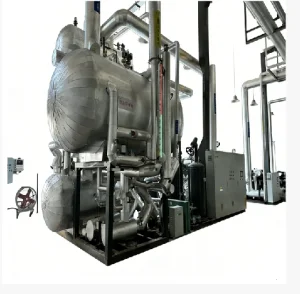
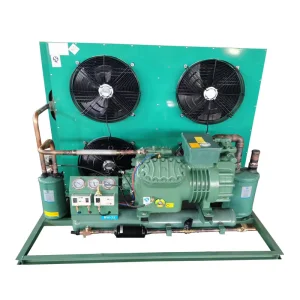
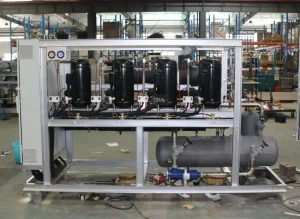
Technical clarifications and procurement guide for engineering managers and buyers in the Genoa industrial region.
Our containerized battery energy storage systems (BESS) integrate CEI 0-16 compliant interface protection systems (SPI), certified central controllers, and compliant utility-scale inverters. This design supports low-voltage ride-through (LVRT) and precise reactive power regulation, satisfying the technical rules of Ligurian grid network operator E-Distribuzione.
Yes, our systems are designed with high surge current capability and dynamic power factor correction. By pairing the energy storage system's Power Conversion System (PCS) with the compressor soft-starters or variable frequency drives (VFDs), the storage system can deliver high start-up currents without causing voltage dips or grid instability.
To combat high coastal salinity and humidity in Genoa, our outdoor energy storage containers feature double-wall thermal insulation, C5-M grade marine corrosion protection, and integrated moisture condensation control. Active HVAC and dehumidification loops ensure the interior relative humidity remains within optimal operating envelopes.
Given Italy's high Prezzo Unico Nazionale (PUN) peak tariffs, commercial operators in Genoa typically achieve a full return on investment (ROI) within 4.5 to 6 years. Financial returns are accelerated by scheduling load shifts during cheaper off-peak hours and reducing peak capacity charges (demand charge reduction).
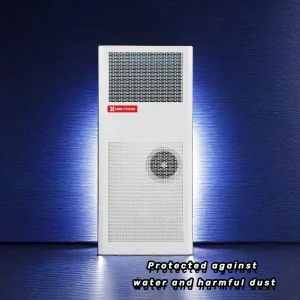
Yes. We supply fully integrated systems featuring wall-mounted or roof-mounted refrigeration units, similar to Rittal and Kooltronic configurations, with cooling capacities up to 5000W. These systems maintain uniform temperature distribution across all battery modules, preventing thermal imbalances that degrade battery health.
We exclusively use premium Lithium Iron Phosphate (LiFePO4 or LFP) chemistry for our heavy industrial applications. LFP chemistry offers superior thermal stability, reduces thermal runaway risk, and provides a long service life of over 6,000 cycles at 80% Depth of Discharge (DoD) compared to traditional NMC configurations.
Yes. Our advanced Power Conversion Systems (PCS) support grid-forming capabilities. In the event of a grid utility outage, the system switches to islanded mode in under 20 milliseconds, providing a seamless UPS-grade power transition to keep critical industrial cold rooms and security systems operational.
Our cloud-connected Energy Management System (EMS) monitors real-time parameters including state of charge (SoC), state of health (SoH), individual cell temperatures, active power output, charging cycles, and safety metrics. Remote firmware updates (FOTA) and predictive maintenance alerts are supported globally.
 HK Charger