Smart Energy Management Systems Manufacturer & Suppliers in the DR Congo Market

Empowering DRC Mining Complexes, Telecommunication Infrastructures, and Commercial Operators with Industrial-Grade Energy Storage and Advanced Edge-Computing BMS Technology.

Send Inquiry Now

The Energy Infrastructure Paradigm in the Democratic Republic of Congo

The Democratic Republic of Congo (DRC) is experiencing unprecedented industrialization, fueled primarily by its world-leading cobalt, copper, and mineral mining industries in regions like Katanga and Lualaba. However, local infrastructure expansion faces massive challenges. The national electric grid, managed by SNEL (Société Nationale d'Électricité), remains highly unstable, experiencing daily voltage drops, phase imbalances, and prolonged blackouts. Outside of major administrative centers, the electrification rate drops below 10%, leaving key commercial, agricultural, and industrial stakeholders dependent on expensive, carbon-heavy diesel generator fleets.

In this challenging climate, Smart Energy Management Systems (SEMS) are shifting from a premium efficiency upgrade to an absolute operational necessity. Modern industrial sites and commercial hubs require systems that not only store power but intelligently arbitrate between solar arrays, erratic grid inputs, and backup diesel generators. By optimizing the Levelized Cost of Storage (LCOS) and ensuring continuous thermal monitoring in harsh tropical conditions, integrated energy management systems enable operations to run uninterrupted while cutting diesel fuel expenses by up to 45%.

  • Mitigating Grid Volatility: Smoothing active spikes and correcting reactive power imbalances automatically.
  • Diesel Generator Integration: Hybrid controllers that sequence generators to run at peak load efficiency curve, minimizing fuel consumption.
  • Critical Asset Protection: Preventing thermal runaway and voltage surges from destroying high-value machinery.
99.8%
System Uptime
IP54
Ingress Rating
6000+
Battery Cycles
-20~60°
Operating Temp

Global Energy Storage Procurement Trends

Adapting heavy-duty power conversion and edge computing systems for challenging operating environments.

LiFePO4 Chemistry Supremacy

Procurement departments are phasing out outdated Lead-Acid batteries due to poor cycle life. Modern projects mandate Lithium Iron Phosphate (LiFePO4) chemistry for superior cycle longevity (up to 6,000+ deep discharges) and non-combustible safety characteristics under high heat.

Edge-Computing EMS & IoT Software

With remote infrastructure in areas like Kisangani or Mwene-Ditu, visiting a physical facility is costly. Systems must feature cloud-linked remote telemetry portals with Modbus/CAN network capability for remote diagnostic, firmware updates, and predictive maintenance.

Thermal Management Innovations

Sub-Saharan ambient temperatures can spike battery operating heat, rapidly degrading cell health. Deploying scalable container systems with intelligent HVAC and advanced liquid cooling designs guarantees cell temperature uniformity within a narrow 3°C margin.

China Factory 4.0: Why Hangzhou HK Charger is the Premier Partner for DRC Energy Operations

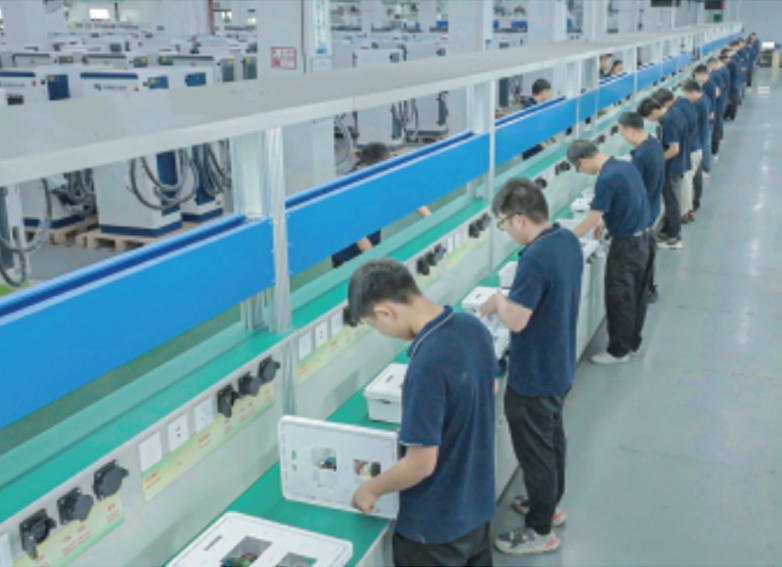
Hangzhou HK Charger Co., Ltd. is a leading manufacturer specializing in home, commercial, and industrial energy storage solutions, providing innovative systems for renewable integration, load balancing, and intelligent energy management. Leveraging China's cutting-edge Factory 4.0 manufacturing processes, HK Charger delivers unparalleled supply chain resilience, allowing us to source key components, assemble under rigorous ISO 9001 and ISO 14001 standards, and dispatch heavy machinery within expedited timeframes.

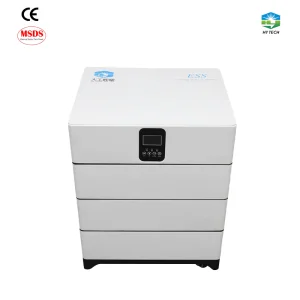
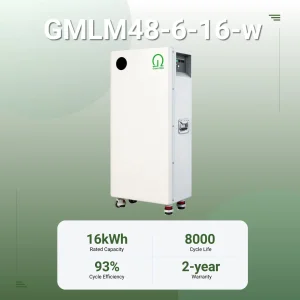
Each system is designed with smart monitoring, real-time performance tracking, and advanced load balancing capabilities, ensuring optimal energy efficiency, cost savings, and grid stability across various applications. HK Charger's portfolio includes centralized and distributed storage systems, mobile and modular battery units, and hybrid solutions that seamlessly integrate with solar, wind, and other renewable energy sources.

Our commitment to tech innovation integrates advanced software stacks directly with battery hardware, yielding features like automated multi-source switching, predictive system degradation warnings, and dynamic microgrid management. These features ensure homeowners, businesses, and industrial operators in the DRC can optimize energy usage, reduce peak demand charges, and maintain reliable power supply even in off-grid scenarios.

With strict adherence to international safety certifications (including CE, UN38.3, IEC 62619, and UL), continuous R&D investment, and a customer-focused approach, Hangzhou HK Charger Co., Ltd. has established itself as a trusted China manufacturer in the energy storage industry.

Customized Energy Implementations for the DRC

Tailored technical solutions engineered to perform under specific regional demands and rugged conditions.

Mining Site Microgrids (Katanga Province)

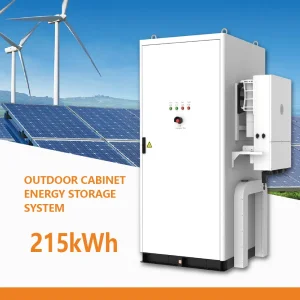
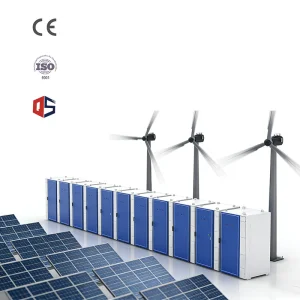
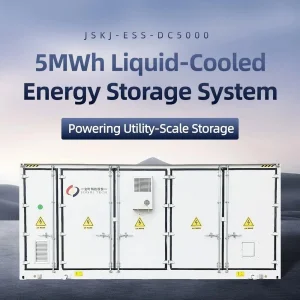
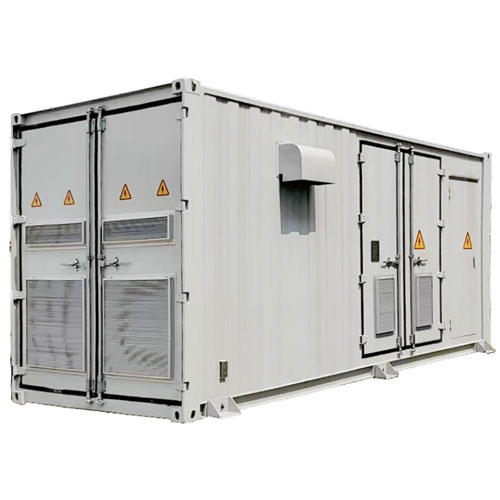
Large extraction sites deploy containerized 1MW BESS systems linked to massive solar arrays. Our intelligent EMS controls peak shaving, buffers motor start-up surges from processing machinery, and manages smooth handoffs to backup diesel generation to prevent total line collapse.

Off-Grid Telecom & Healthcare Towers

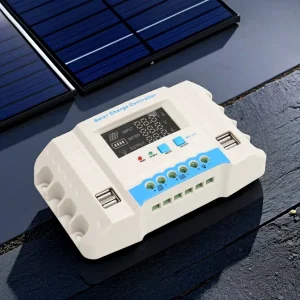
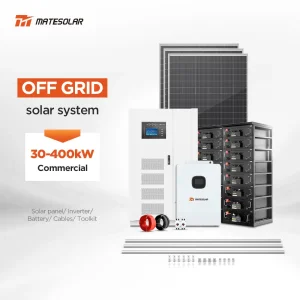
Providing automated off-grid power solutions for remote cellular towers and regional health centers in the Kasai region. By managing 5kW to 30kW solar storage setups with remote IoT protocols, teams can track battery state-of-health and optimize usage patterns without site visits.

Commercial Office & Logistic Parks (Kinshasa)

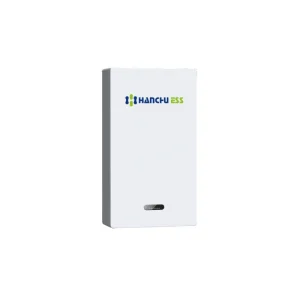
Offices and logistical facilities experience severe grid drops. Installing smart hybrid inverters and scalable rack batteries provides instantaneous UPS-grade power changeover, securing critical computer servers and active cold storage chains.

Strategic Guide to Selecting Energy Management Systems (EMS) in Central Africa

Core technical dimensions electrical engineers and procurement directors must evaluate for local deployments.

Investing in energy infrastructure in the Democratic Republic of Congo requires a long-term engineering perspective. Standard consumer-grade solar backup systems frequently fail prematurely due to dust, humidity, and irregular line conditions. When evaluating industrial scale setups, pay critical attention to the following parameters:

1. Battery Management System (BMS) Level Control

A high-quality system requires cell-level monitoring, not just pack-level monitoring. Our integrated BMS keeps tabs on voltage, temperature, and internal impedance for every single cell. In the event of an anomaly, the system automatically isolates the affected cell while preserving the operational continuity of the rest of the array, preventing costly complete system shut-downs.

2. Protection Levels (IP Ratings)

Given the dust levels in dry seasons and intense tropical downpours in wet seasons, outdoor installations must maintain a minimum rating of IP54. Containerized solutions should use active air filtration systems and anti-corrosive paint coatings to withstand environmental wear near chemical and refining mining hubs.

3. Power Conversion System (PCS) Bi-directional Efficiency

Look for dynamic, bi-directional inverters that boast efficiency ratings above 98%. The PCS must support dynamic microgrid operation, seamlessly executing load changes, black-start capabilities, and rapid frequency control functions without creating output voltage drops that can damage local electronics.

Frequently Asked Questions & Technical Insights

Expert answers to the most common engineering and procurement questions regarding DRC energy projects.

How do high temperatures in the DRC affect LiFePO4 battery life?
High ambient temperatures can accelerate capacity fade in lithium batteries. Our systems mitigate this by integrating smart air-cooling or containerized liquid-cooled designs. By maintaining internal temperatures below 35°C even in 45°C ambient conditions, we guarantee a design life of over 10-15 years (6,000 cycles at 80% Depth of Discharge).
Can these energy management systems integrate with existing diesel generators?
Yes. Our smart hybrid controllers feature specialized generator management inputs. The EMS reads the generator's real-time fuel efficiency curves and automatically commands the generator to start only when loads exceed battery limits or when the battery State of Charge (SoC) drops below safety levels. This minimizes generator running hours and wear.
How does remote monitoring work in regions with poor cellular coverage?
Our systems include local caching databases. If local cellular/satellite links go offline, all operational data is stored locally on the industrial edge controller. Once the connection is re-established, the logged data automatically syncs back to our cloud server, ensuring you never lose performance histories or safety reports.
What is the typical shipping lead time and logistical pathway to the DRC?
For major container shipments, we ship via the Port of Matadi or route through Dar es Salaam and Mombasa ports for east-DRC installations. Production lead times generally average 30 to 45 days, with ocean transit and customs processing taking an additional 30 to 40 days. We provide comprehensive export documentation to facilitate clearance processes.

Ready to Secure Your Power Grid in the DRC?

Contact our senior application engineers to design a custom Smart Energy Management System. We provide technical calculations, system drawings, and comprehensive project pricing.

Send Inquiry Now