The global industrial landscape is undergoing a monumental paradigm shift. Driven by aggressive zero-carbon mandates, escalating grid instability, volatility in wholesale electricity markets, and stringent ESG (Environmental, Social, and Governance) compliance standards, commercial and industrial (C&I) enterprises can no longer rely solely on conventional utility power grids. The traditional model of capital-intensive energy infrastructure deployment is rapidly yielding to Energy as a Service (EaaS)—an innovative contractual and operational mechanism that converts heavy upfront capital expenditure (CAPEX) into predictable, value-generating operational expenditure (OPEX).
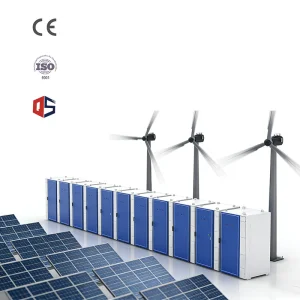
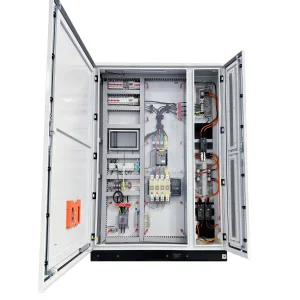
At its core, EaaS represents the convergence of advanced electrochemical energy storage, power electronics engineering, edge-cloud IoT architecture, and tailored financial contracting. Rather than buying separate components—such as lithium-ion battery racks, bidirectional power conversion systems (PCS), transformers, and HVAC thermal units—enterprises engage with integrated EaaS solution providers and OEM factories. These entities engineer, build, finance, and maintain the entire energy ecosystem under a guaranteed performance metric.
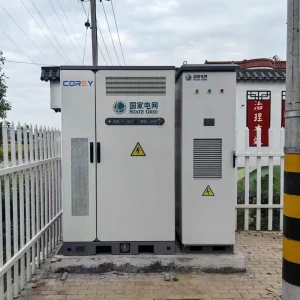
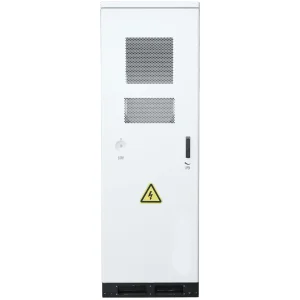
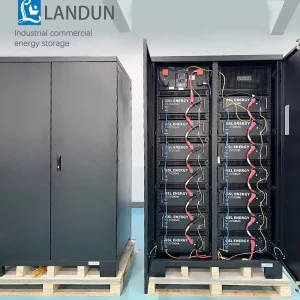
Key technical components within a modern turnkey EaaS installation include:
Hangzhou HK Charger Co., Ltd. is a leading manufacturer specializing in home, commercial, and industrial energy storage solutions, providing innovative systems for renewable integration, load balancing, and intelligent energy management. The company focuses on delivering reliable, efficient, and scalable energy storage products to meet the growing demand for clean, sustainable power.
HK Charger’s portfolio includes centralized and distributed storage systems, mobile and modular battery units, and hybrid solutions that seamlessly integrate with solar, wind, and other renewable energy sources. Each system is designed with smart monitoring, real-time performance tracking, and advanced load balancing capabilities, ensuring optimal energy efficiency, cost savings, and grid stability across various applications.
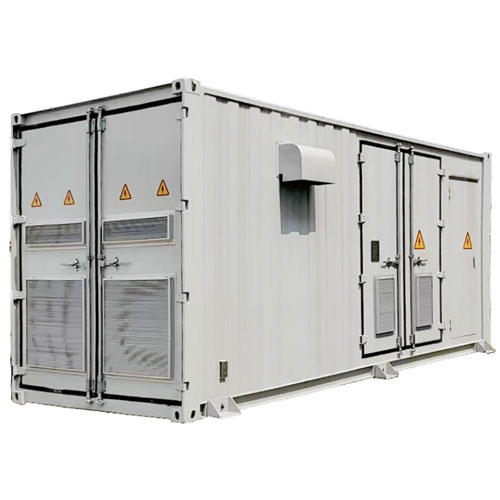
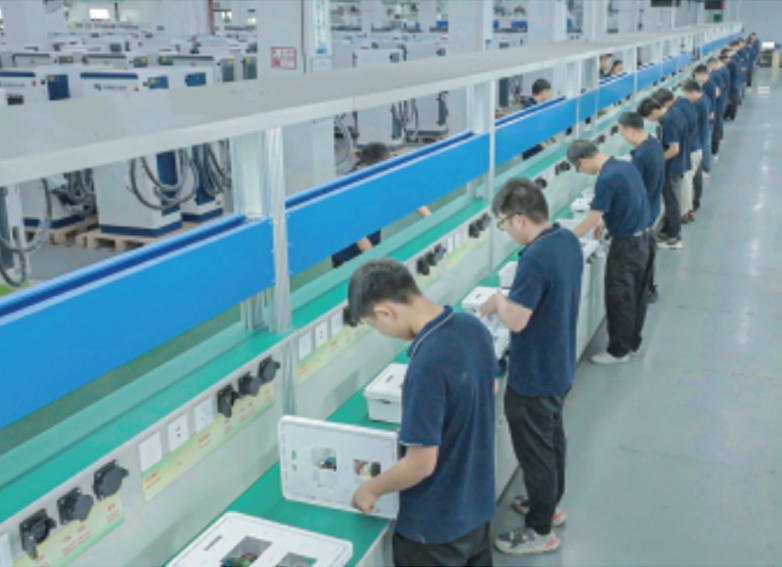
Committed to sustainability and technological innovation, Hangzhou HK Charger emphasizes intelligent energy management features, including remote monitoring, predictive maintenance, and scalable modular design. These solutions enable homeowners, businesses, and industrial operators to optimize energy usage, reduce peak demand charges, and maintain reliable power supply even in off-grid scenarios.
With strict adherence to international quality and safety standards, continuous R&D investment, and a customer-focused approach, Hangzhou HK Charger Co., Ltd. has established itself as a trusted China manufacturer in the energy storage industry. The company’s mission is to provide smart, efficient, and sustainable energy storage solutions that empower users to integrate renewable energy, enhance operational efficiency, and contribute to a greener future.
China commands over 75% of the world’s lithium-ion battery cell production. From raw material refining (lithium, iron phosphate, synthetic graphite) to cell synthesis (prismatic LFP cells) and module pack assembly, Chinese factories offer complete supply chain transparency and lower component procurement costs.
Top OEM factories in Hangzhou, Zhejiang compliance hubs adhere to stringent global safety frameworks, including UL1973, UL9540, CE-EMC, UN38.3, and IEC 62619. This guarantees smooth customs clearance and rapid grid interconnect approval across North America, Europe, and Asia-Pacific.
Chinese manufacturers lead in cloud-edge software integration. Systems built by companies like HK Charger natively integrate IoT gateways supporting OCPP 1.6/2.0, Modbus TCP, CANbus, and DNP3, enabling real-time remote telemetry and cloud predictive diagnostics.
The transition from procurement of standalone hardware to structured Energy as a Service agreements is accelerating. By partnering with specialized OEMs and project financiers, commercial entities can choose between multiple contractual structures depending on their risk appetite and balance sheet requirements.
| Contractual Model | CAPEX Requirement | Maintenance Responsibility | Primary Value Stream | Best Suited For |
|---|---|---|---|---|
| Shared Savings Agreement | Zero (0%) | Supplier / OEM Factory | Percentage of verified utility bill savings split between customer and provider. | Industrial facilities with heavy demand charges & peak electricity usage. |
| On-Site Power Purchase Agreement (PPA) | Zero (0%) | Energy Service Provider (ESP) | Fixed kWh rate lower than the local grid utility tariff. | Large commercial roofs, logistics centers combining Solar PV + BESS. |
| Equipment Micro-Lease | Low Fixed Monthly Fee | Shared / OEM SLA | Complete operational ownership of generated solar and stored power. | Data centers, hospitals, and high-reliability cold chain facilities. |
| Direct Procurement (Turnkey OEM) | 100% Capital Outlay | Internal / Manufacturer SLA | 100% value retention, tax credits, carbon credit monetization. | Enterprise conglomerates with cash reserves seeking tax depreciation advantages. |
Three core technological trends are redefining the energy storage landscape over the next decade:
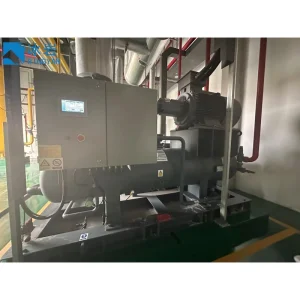
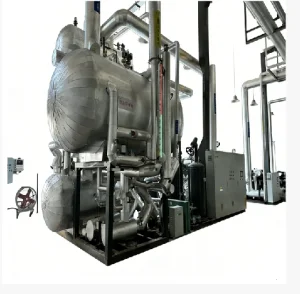
Cold storage logistics demand uninterrupted cooling. Integrating high-efficiency condensing units with containerized BESS guarantees zero cooling disruption during utility outages while shifting heavy compressor power draw from peak daytime tariffs to low-cost off-peak night hours.
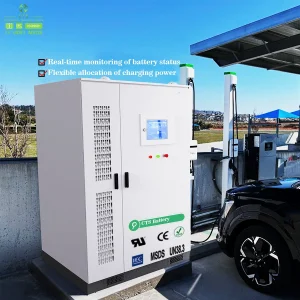
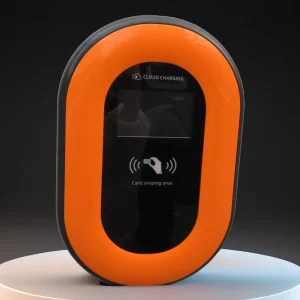
Fast DC charging facilities (7kW, 22kW, to 180kW+) create severe power spikes on local utility transformers. Integrating AC/DC hybrid systems with integrated lithium storage buffering smooths out utility load curves, bypassing expensive grid capacity upgrades.
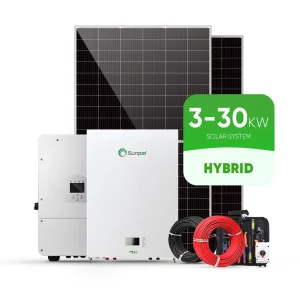
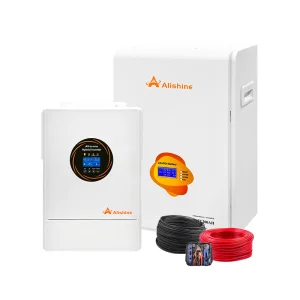
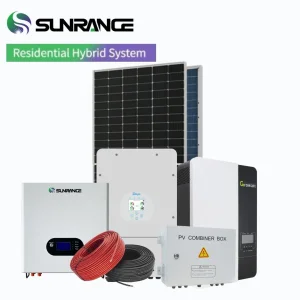
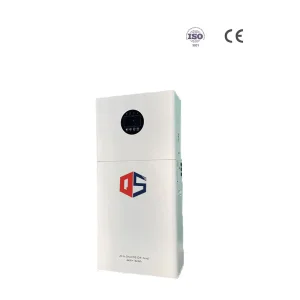
All-in-one power walls and modular off-grid hybrid kits (5kW to 30kW) give homeowners complete immunity from rising grid rates, enabling direct solar energy consumption, dynamic tariff scheduling, and emergency backup power during natural weather events.
Selecting the right EaaS factory partner requires rigorous evaluation of engineering specifications, manufacturing quality control, and safety standard compliance. When auditing potential manufacturers in China or evaluating imported hardware, enterprise buyers should enforce the following key engineering benchmarks:
Insist on Automotive-Grade (Grade A) LFP prismatic cells. Verify cycle life data: systems engineered for industrial EaaS should guarantee a minimum of 6,000 to 8,000 cycles at 80% Depth of Discharge (DoD) under 0.5C standard charge/discharge rates at 25°C. Lower-grade cells lead to rapid capacity fade, shortening operational lifetime and destroying long-term EaaS financial returns.
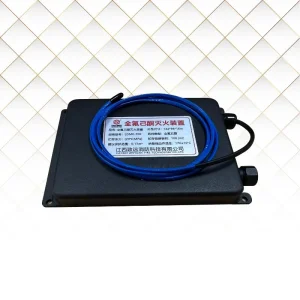
Fire safety is paramount in high-voltage industrial battery deployments. Next-generation enclosures incorporate multi-tier safety defense mechanisms:
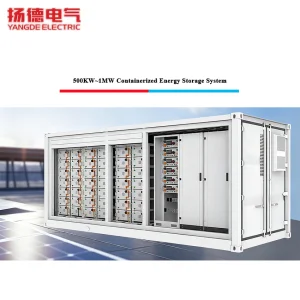
Outdoor containerized systems (500kW to 1MW) deployed in coastal or harsh industrial environments require an IP54 or IP65 ingress rating along with C4/C5 anti-corrosion exterior coatings to resist moisture, salt spray, and airborne dust contamination.
 HK Charger