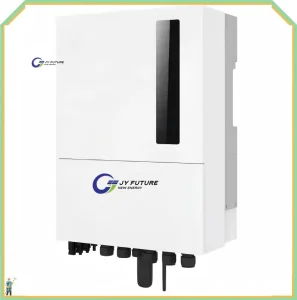
Explore our industrial-grade tier-1 manufactured battery systems, fast chargers, and grid-tied energy storage units engineered for OEM/ODM deployment.
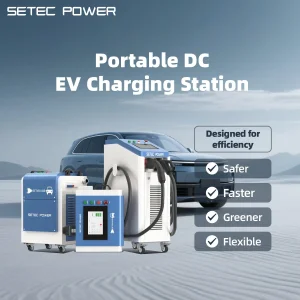
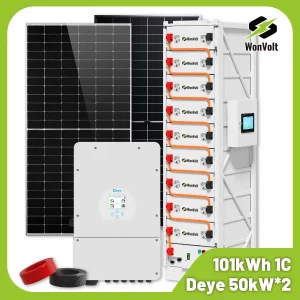
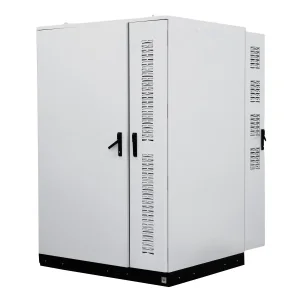
A comprehensive technical evaluation of hydrogen carriers, pressure vessel mechanics, thermal management integration, and custom manufacturing paradigms for B2B energy transition leaders.
As the global energy landscape accelerates toward net-zero carbon mandates, traditional standalone battery systems face long-duration energy storage (LDES) physical limitations. The paradigm shift toward green hydrogen (H₂) as an energy vector has elevated OEM/ODM Hydrogen Storage Technologies Manufacturers into crucial architecture partners for EPC contractors, industrial heavy utility providers, grid operators, and microgrid integrators.
Hydrogen storage is not a monolithic discipline; it spans physical gas compression (Type III and Type IV composite cylinders operating at 350 to 700 bar), cryogenic liquid containment (-253°C), and advanced chemical/solid-state material systems (Metal Hydrides and Liquid Organic Hydrogen Carriers - LOHC). Partnering with an experienced OEM/ODM manufacturer allows global energy enterprises to bridge the gap between electrochemistry, gas dynamics, safety instrumentation, and intelligent power control units (PCS).
Information Gain Insight: Modern OEM/ODM manufacturing is no longer restricted to mechanical tank fabrication. True enterprise value lies in co-engineering integrated Balance of Plant (BOP) systems that couple electrolyzer output dynamic pressure variations directly with high-efficiency solid-state thermal absorption beds and hybrid lithium-ion buffer banks.
Analyzing key technology shifts from high-pressure gaseous storage to ambient solid-state metal hydrides and hybrid hydrogen-electrochemical microgrids.
Transitioning from heavy metal-lined Type III cylinders to linerless or polymer-lined Carbon Fiber Reinforced Polymer (CFRP) Type IV/V structures. OEM customization focuses on maximizing gravimetric storage density while reducing hydrogen embrittlement risks via advanced polyamide/HDPE inner liners.
Metal hydride alloys (AB2, AB5, and Ti-Fe series) absorb hydrogen gas at near-ambient pressures (10-30 bar) and moderate temperatures. This technology eliminates high-pressure hazards for stationary residential, commercial building, and telecom tower backup installations.
Exothermic absorption and endothermic desorption kinetics require tight integration with liquid cooling/heating loops. Advanced ODM contracts integrate waste heat recovery from fuel cell stacks or PEM electrolyzers directly into the hydrogen thermal management unit.
AI-driven Hydrogen Management Systems (HMS) track micro-leakages, stress-strain fatigue, state-of-charge (SoC), and pressure-temperature-composition (PTC) isotherms in real time, communicating natively with Modbus, CAN, and cloud IoT telemetry.
What EPC engineering teams and procurement directors demand when selecting a qualified OEM/ODM hydrogen storage manufacturer.
International procurement requests (RFPs/RFQs) for hydrogen storage solutions have evolved significantly beyond simple hardware quotes. B2B buyers evaluate manufacturers on total life-cycle efficiency, certification speed, supply chain stability, and modular scalability. OEM/ODM partners must satisfy strict technical benchmarks across multiple operational parameters:
| Storage Technology Vector | Gravimetric Energy Density | Volumetric Density (kg H₂/m³) | Operating Pressure / Temp | Target B2B Application Scenario | Primary OEM/ODM Customization Focus |
|---|---|---|---|---|---|
| Type III / IV High Pressure | 5.5 - 7.5 wt% | 23 - 39 kg/m³ | 350 bar - 700 bar / -40°C to 85°C | Heavy-Duty Mobility, HRS, Rail, Marine | Valve-in-Tank Assemblies, Boss Material Selection, CFRP Winding Patterns |
| Solid-State Metal Hydride | 1.8 - 2.5 wt% | 45 - 65 kg/m³ | 10 bar - 40 bar / 15°C to 65°C | Stationary Microgrids, Telecom, Commercial Backup | Internal Heat Exchanger Geometry, Phase Change Material (PCM) Thermal Buffers |
| Liquid Storage (LH₂) | 15 - 20 wt% | 70.8 kg/m³ | 1 - 4 bar / -253°C | Intercontinental Bulk Transport, Aerospace | Vacuum Super Insulation (MLI), Cryo-Pump Flange Interface, Boil-Off Gas (BOG) Management |
| Hybrid Battery-H₂ BESS | Multi-Vector Dynamic | Scalable Containerized | Modular System Dependent | Grid Peak Shaving, Off-Grid Renewable Hubs | EMS Software Co-Development, Microgrid Dispatch Logic, Fire Suppression System |
How state-of-the-art automated manufacturing facilities in Hangzhou enable rapid prototyping, rigid quality assurance, and unrivaled cost-per-kilowatt-hour economies of scale.
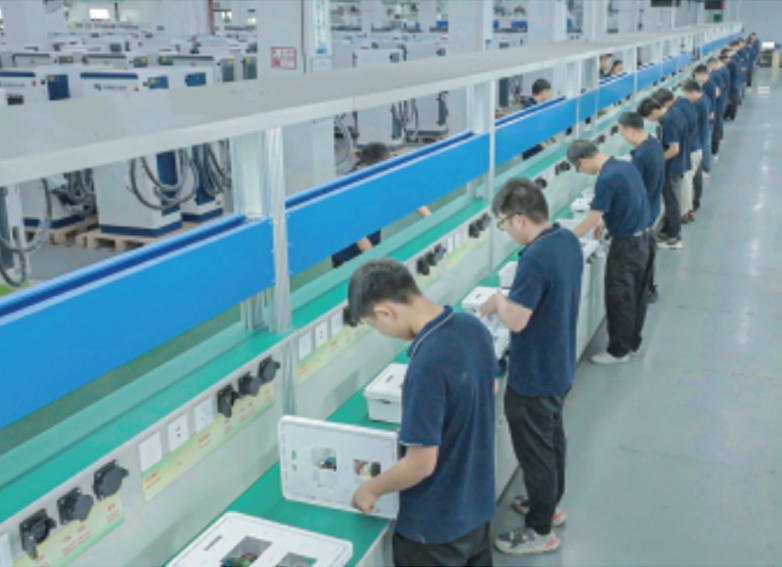
China has established itself as the global epicenter for renewable energy hardware manufacturing, driven by an unmatchable ecosystem of raw material processing, precision carbon fiber filament winding, advanced battery chemistry supply chains, and power electronics engineering. Within this high-tech manufacturing landscape, Hangzhou HK Charger Co., Ltd. leverages China’s Industry 4.0 infrastructure to provide global enterprise clients with resilient OEM/ODM partnerships.
Multi-axis robotic filament winding lines ensure consistent fiber tension and resin impregnation for Type IV carbon composite tanks, optimizing weight while guaranteeing structural integrity under burst-pressure testing exceeding 2.25x working pressure.
From raw LiFePO4 cells and battery management systems to high-pressure manifold valving and power conversion systems, single-source manufacturing drastically reduces lead times, cross-vendor friction, and total cost of ownership (TCO).
Every manufactured system undergoes helium leak testing, hydrostatic expansion testing, cycle fatigue simulation, and thermal stress profiling compliant with ISO 19880-3, UN ECE R134, CE, and TÜV Rheinland protocols.
Deploying OEM/ODM hydrogen storage and hybrid energy systems across real-world commercial and industrial environments.
Coupling high-capacity 700 bar buffer storage banks with high-power fast DC EV chargers. Enables dual-fuel depot hubs capable of rapidly recharging battery-electric trucks while refueling fuel cell electric vehicles (FCEVs).
Combining megawatt-scale solar PV arrays with electrolyzers, solid-state metal hydride storage beds, and lithium-ion BESS. Provides 100% autonomous power during multi-day seasonal low-solar periods without diesel generation.
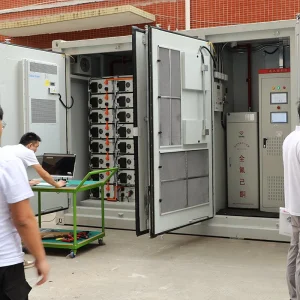
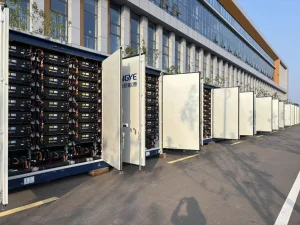
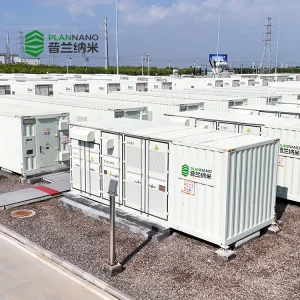
Containerized 4MWh/5MWh liquid-cooling battery units matched with hydrogen fuel cells allow manufacturing facilities to mitigate peak demand tariffs while utilizing fuel cell byproduct hot water for facility HVAC/processing.
Heavy containerized mobile battery and hydrogen storage skids provide shore power (cold ironing) to docked cargo ships, cutting harbor particulate emissions and operational sound pollution.
From initial concept modeling to mass production and field validation: How Hangzhou HK Charger delivers custom energy solutions.
Detailed load curve analysis, volumetric constraint mapping, thermodynamic simulation (FEA & CFD), and local regulatory compliance review.
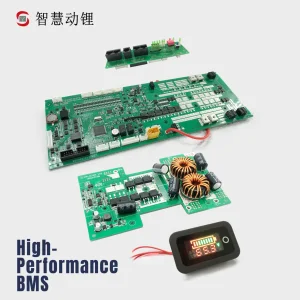
3D structural CAD modeling, custom PCB/BMS firmware programming, pressure vessel manifold fabrication, and safety enclosure design.
Accelerated life testing (ALT), thermal runaway containment testing, pressure cycling, helium leak detection, and third-party laboratory certification.
Automated robotic assembly, white-label packaging, global logistics handling, remote telemetry deployment, and life-cycle spare parts engineering.
Expert insights addressing key commercial, safety, and operational queries for OEM/ODM hydrogen storage and battery system manufacturing.
Discover our containerized energy storage units, liquid cooling commercial solutions, and smart home energy management hardware.
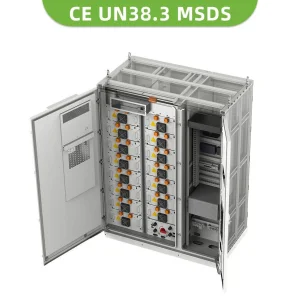
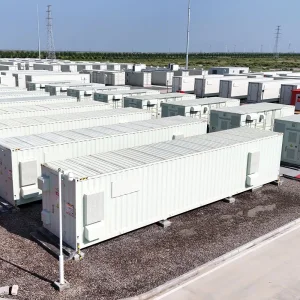
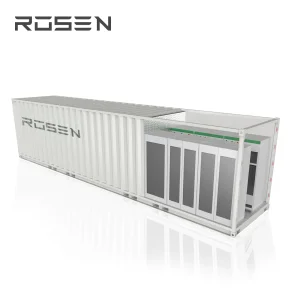
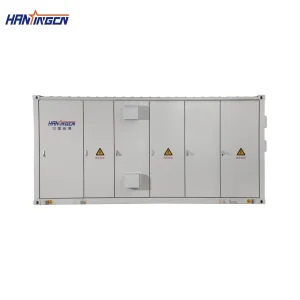
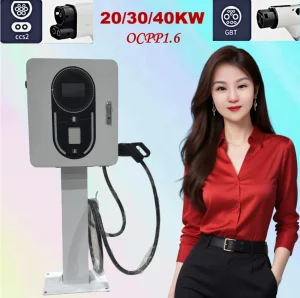
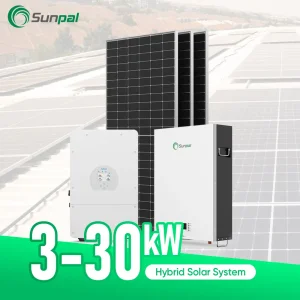
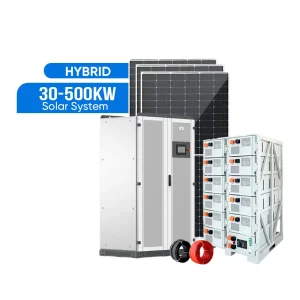
Delivering high-integrity, modular energy storage systems and smart charging infrastructure worldwide.
Hangzhou HK Charger Co., Ltd. is a leading manufacturer specializing in home, commercial, and industrial energy storage solutions, providing innovative systems for renewable integration, load balancing, and intelligent energy management. The company focuses on delivering reliable, efficient, and scalable energy storage products to meet the growing demand for clean, sustainable power.
HK Charger’s portfolio includes centralized and distributed storage systems, mobile and modular battery units, and hybrid solutions that seamlessly integrate with solar, wind, and other renewable energy sources. Each system is designed with smart monitoring, real-time performance tracking, and advanced load balancing capabilities, ensuring optimal energy efficiency, cost savings, and grid stability across various applications.
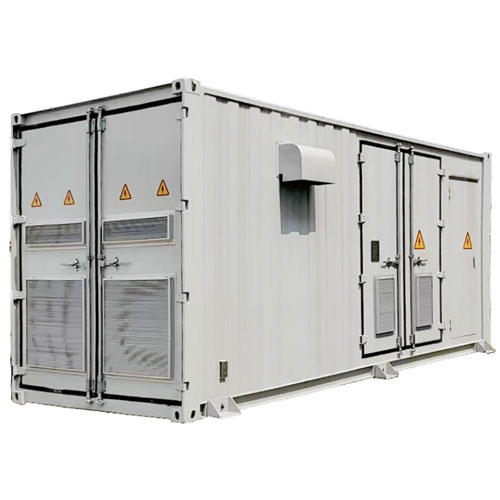
Committed to sustainability and technological innovation, Hangzhou HK Charger emphasizes intelligent energy management features, including remote monitoring, predictive maintenance, and scalable modular design. These solutions enable homeowners, businesses, and industrial operators to optimize energy usage, reduce peak demand charges, and maintain reliable power supply even in off-grid scenarios.
With strict adherence to international quality and safety standards, continuous R&D investment, and a customer-focused approach, Hangzhou HK Charger Co., Ltd. has established itself as a trusted China manufacturer in the energy storage industry. The company’s mission is to provide smart, efficient, and sustainable energy storage solutions that empower users to integrate renewable energy, enhance operational efficiency, and contribute to a greener future.
 HK Charger