Explore our cutting-edge, grid-tied and off-grid ready power distribution, solar integration, and storage products manufactured to meet international structural and performance benchmarks.
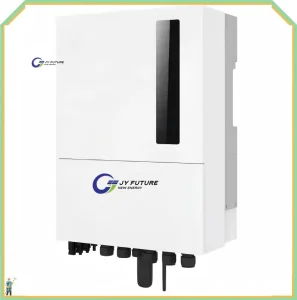
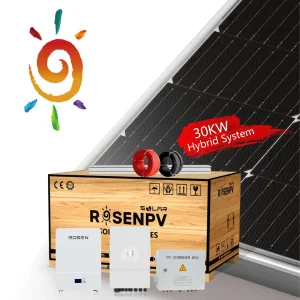
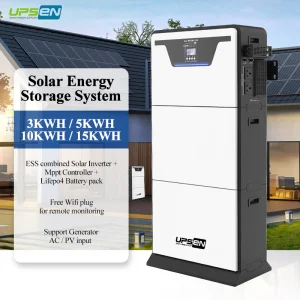
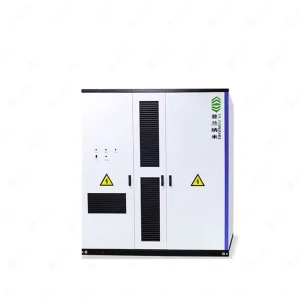
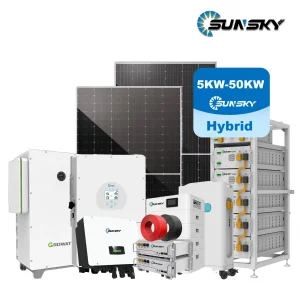
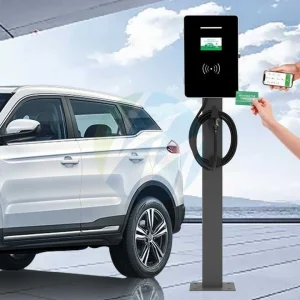
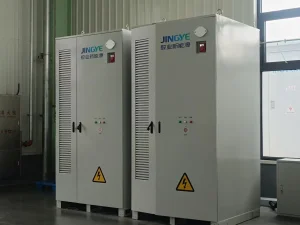
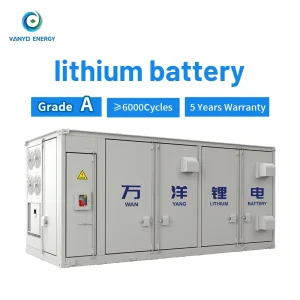
Hangzhou HK Charger Co., Ltd. is a leading manufacturer specializing in home, commercial, and industrial energy storage solutions, providing innovative systems for renewable integration, load balancing, and intelligent energy management. The company focuses on delivering reliable, efficient, and scalable energy storage products to meet the growing demand for clean, sustainable power.
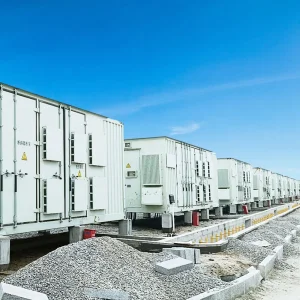
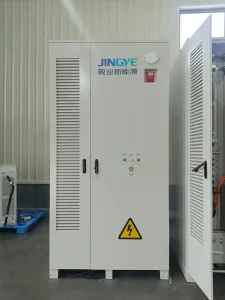
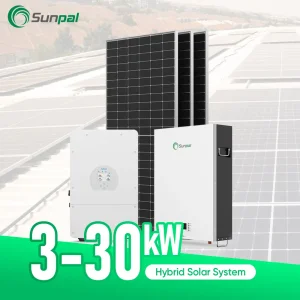
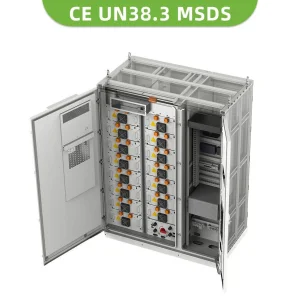
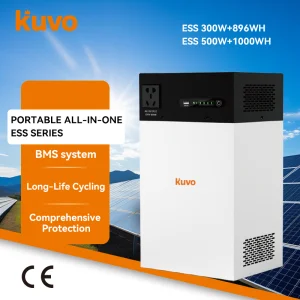
HK Charger’s portfolio includes centralized and distributed storage systems, mobile and modular battery units, and hybrid solutions that seamlessly integrate with solar, wind, and other renewable energy sources. Each system is designed with smart monitoring, real-time performance tracking, and advanced load balancing capabilities, ensuring optimal energy efficiency, cost savings, and grid stability across various applications.
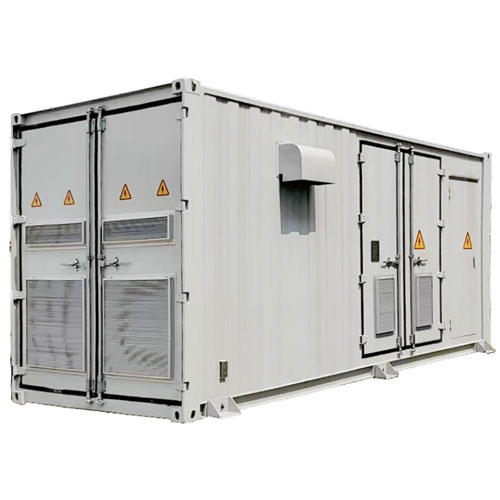
Committed to sustainability and technological innovation, Hangzhou HK Charger emphasizes intelligent energy management features, including remote monitoring, predictive maintenance, and scalable modular design. These solutions enable homeowners, businesses, and industrial operators to optimize energy usage, reduce peak demand charges, and maintain reliable power supply even in off-grid scenarios.
With strict adherence to international quality and safety standards, continuous R&D investment, and a customer-focused approach, Hangzhou HK Charger Co., Ltd. has established itself as a trusted China manufacturer in the energy storage industry. The company’s mission is to provide smart, efficient, and sustainable energy storage solutions that empower users to integrate renewable energy, enhance operational efficiency, and contribute to a greener future.
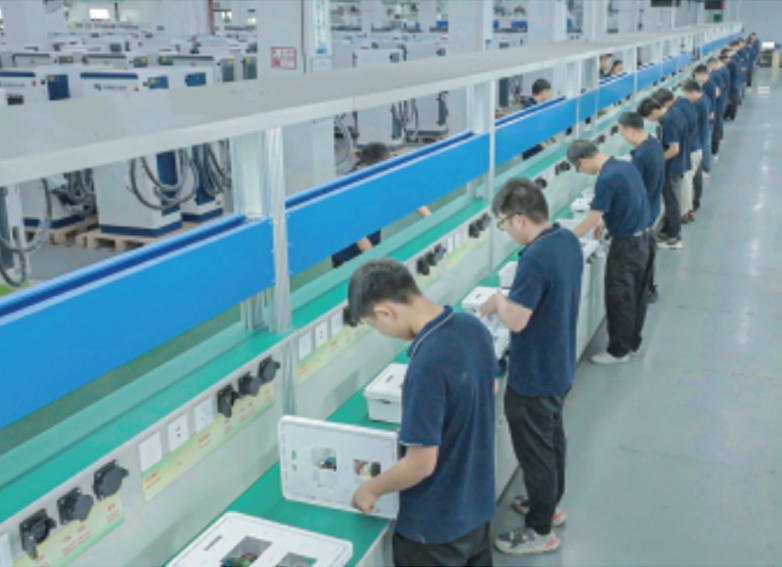
Why international EPC developers and infrastructure investment groups partner with leading Chinese OEMs for high-density electrical grid transformations.
From primary lithium extraction and LFP (Lithium Iron Phosphate) cell synthesis to BMS engineering and container integration, Chinese factories utilize local clusters to minimize transit latency and assembly costs.
Integrating multi-channel liquid-cooling loops and active thermal running management architectures ensures systems operate safely under extreme climates, from desert sun to sub-zero industrial parks.
Automated manufacturing facilities with multi-gigawatt annual throughput capacities lower manufacturing costs per kilowatt-hour, offering premium quality without prohibitive budgets.
The transition from passive distributed power units to complex, AI-orchestrated bi-directional power hubs.
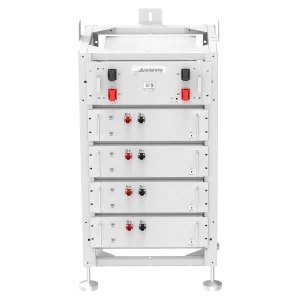
Modern microgrids no longer rely solely on a single storage medium. By combining high-power output systems (supercapacitors or hybrid flow batteries) with high-energy density systems (such as stackable LiFePO4 batteries), modern plants mitigate short-term frequency fluctuations while securing hours of back-up reserve capacity. This hybrid approach significantly increases overall system longevity and operational efficiency.
Top-tier exporters integrate smart communication nodes using standard IoT protocols (such as Modbus TCP, DNP3, and IEC 61850). This allows localized microgrid hardware to aggregate seamlessly into utility-scale virtual power plants, allowing commercial enterprises to monetize excess clean generation by feeding it back to the utility during peak demand pricing intervals.
By implementing real-time machine learning inference at the edge, modern Energy Management Systems (EMS) predict local load curves and localized meteorological changes. If incoming cloud cover threatens to reduce solar generation, the system preemptively stores grid energy during off-peak hours, maximizing running efficiency and protecting critical equipment from unexpected power outages.
How modular microgrid systems solve critical power challenges across diverse operating environments.
For industrial parks and manufacturing facilities facing hefty peak-demand charges. The microgrid tracks facility loads and discharges stored solar power during high tariff windows, dropping peak load curves by up to 40%.
Providing independent off-grid energy to pumping stations and storage facilities in rural communities. Utilizing containerized hybrid solar power setups reduces dependency on costly, high-emission diesel generators.
Buffering grid networks from localized voltage drops during ultra-fast EV vehicle charging. Our integrated battery systems store off-peak electricity and discharge it rapidly to EVs without overloading nearby transformers.
Key technical checkpoints for EPC contractors, utility purchasing officers, and project developers when sourcing from China.
When selecting a manufacturing partner for microgrids, procurement officers must look beyond simple price per watt-hour parameters. A comprehensive system-level check ensures safety, compliance, and long-term asset security:
Addressing the technical, logistics, and compliance queries raised by overseas project engineers.
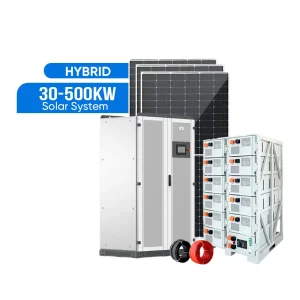
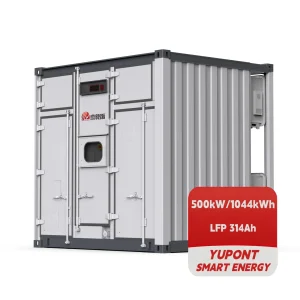
Explore our multi-megawatt hybrid configurations, custom transport containers, and high-voltage commercial battery systems designed for industrial grid applications.
 HK Charger