Decarbonizing Industrial Operations Through Intelligent Microgrid Systems and Precision Analytics Integration
High-efficiency power electronics and integrated storage architectures designed for real-time edge processing and grid-scale demand response.
The transition from highly centralized power generation grids to dynamic, bidirectional distribution networks has positioned Energy Use Analytics at the core of industrial infrastructure. Driven by rigorous regulatory mechanisms such as the European Union's Carbon Border Adjustment Mechanism (CBAM), Energy Efficiency Directive (EED), and international ISO 50001 certifications, global manufacturers require granular tracking of carbon intensity, load patterns, and energy distribution.
Historically, industrial facility managers relied on monthly utility billing data to manage consumption—a reactive strategy that leaves operations vulnerable to severe peak-demand surcharges and power quality fluctuations. Modern smart-grid analytics demand sub-second telemetry aggregation. Exporters of CE-certified hardware and analytical edge-platforms bridge this structural divide. By combining high-accuracy current transformers, embedded AI, and secure cloud relays, these systems map the complex energy signature of heavy machinery, server farms, and refrigeration circuits, enabling automated mitigation strategies such as peak shaving and automated load shedding.
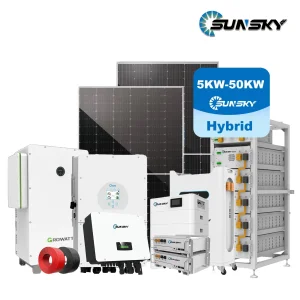
Across key regional hubs—including North America, the EU, and the Asia-Pacific region—industrial facilities face volatile spot-market pricing. Real-time energy analytics serve as the foundational dataset for optimizing large-scale Battery Energy Storage Systems (BESS) and Hybrid Solar Inverters. The deployment of CE-certified hardware guarantees compliance with electromagnetic compatibility (EMC) standards, ensuring that data transmission remains unaffected by the high levels of electrical noise characteristic of heavy industrial operations.
Seamlessly interface with modern smart grids using native protocols like Modbus TCP, DNP3, and IEC 61850 for active microgrid coordination.
Track Total Harmonic Distortion (THD) and phase imbalances in real-time, preventing degradation of critical motors and compressors.
Generate auditable energy baselines, energy performance indicators (EnPIs), and compliance reports automatically.
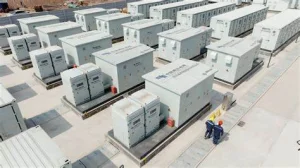
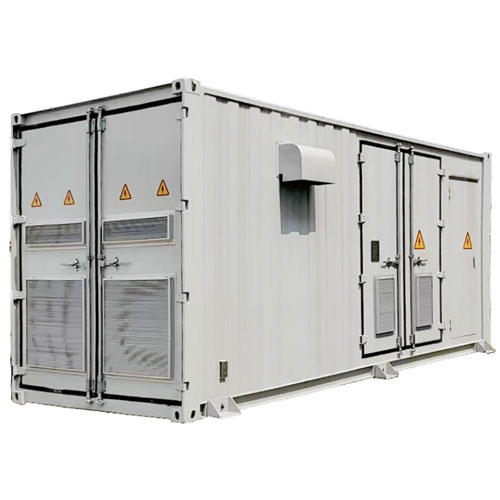
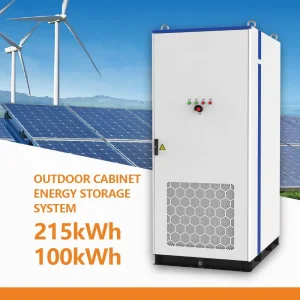
Effective energy management requires robust integration between physical power assets and digital analysis tools. A typical modern facility combines multiple assets: containerized battery energy storage systems (BESS), solar PV installations, EV charging plazas, and industrial HVAC compressors. Without a unifying analytics layer, these assets function as isolated, uncoordinated systems.
By establishing a centralized telemetry collection network, CE-certified energy analytics systems process high-frequency signals from local smart meters, circuit breakers, and battery management systems (BMS). Using this data, the analytical engine determines when to charge or discharge storage systems relative to grid load and current solar generation. For instance, during periods of peak factory operation, the analytics system triggers the local energy storage unit to discharge, keeping overall grid consumption below the utility's penalty threshold. This process, known as peak shaving, reduces industrial operational expenses and stabilizes the local distribution grid.
Furthermore, integrating analytics with commercial EV charging stations allows for dynamic load management. If a fleet of electric trucks initiates fast charging simultaneously with manufacturing startup sequences, the smart controller throttles charging rates or shifts load parameters dynamically, protecting regional grid transformers from thermal stress and failure.
The future of industrial energy management lies in the transition from descriptive analytics (historical analysis) to prescriptive analytics (autonomous, AI-driven control). Hangzhou HK Charger Co., Ltd.'s technical roadmap outlines a structured approach to embedding machine learning capabilities directly onto the hardware edge.
To illustrate the real-world value of integrating CE-certified energy analytics with storage and charging infrastructure, we examine three localized industrial scenarios:
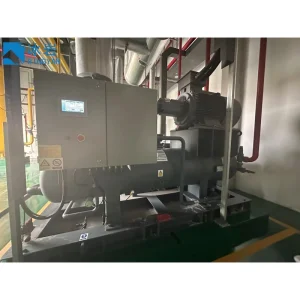
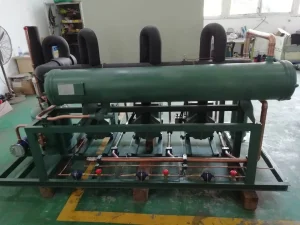
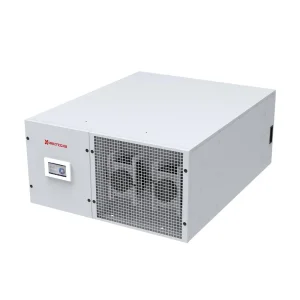
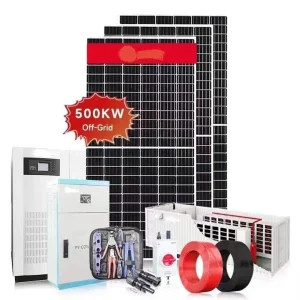
Case A: Cold Storage Facilities in Southern Europe: Cold storage environments represent highly demanding thermal loads. Fluctuations in ambient temperatures directly impact energy consumption. By integrating high-capacity water-cooled condensing units with a smart solar energy management system, facilities can optimize thermal storage. The system overcools the storage medium during peak solar generation hours, effectively storing thermal energy in the frozen inventory. During peak grid tariff hours, the condensing units run on minimal power, maintaining temperature thresholds without drawing expensive grid energy.
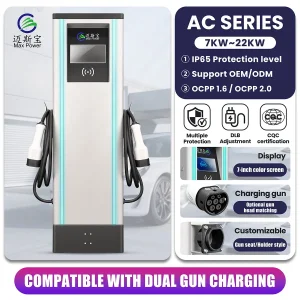
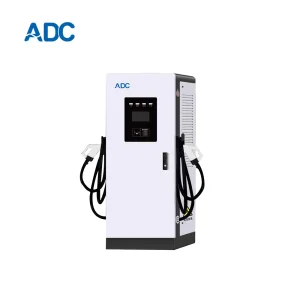
Case B: Metropolitan Logistics Hubs: Modern logistics depots operate commercial EV fleets that require high-power DC fast-charging stations. Without intelligent management, these chargers can overload local electrical substations. By implementing a dual-gun EV charging network managed by real-time load analytics, the depot can coordinate charging based on building demand. The system allocates power dynamically—prioritizing trucks scheduled for immediate departure while charging the remaining fleet at lower rates, using stored energy from a localized lithium battery system.
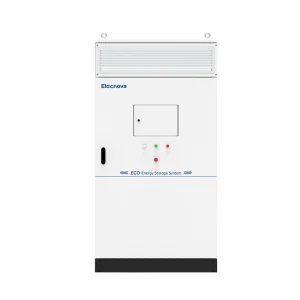
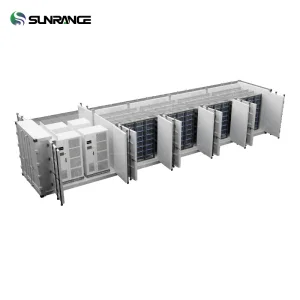
Case C: Remote Mining Operations & Microgrids: In regions lacking stable grid connections, mining operators rely on localized diesel generators and solar arrays. Fluctuating solar conditions can destabilize these isolated microgrids. Integrating a containerized lithium iron phosphate energy storage system (such as an 8MW ESS container) with real-time PV inverter management allows the operator to maintain grid stability. The system dampens transient solar fluctuations within milliseconds, protecting critical mining equipment from power disruptions.
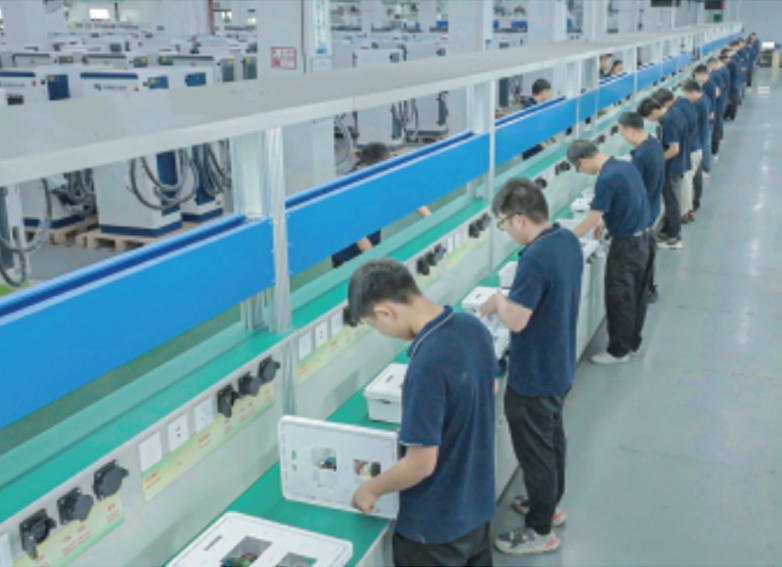
Hangzhou HK Charger Co., Ltd. is a leading manufacturer specializing in home, commercial, and industrial energy storage solutions, providing innovative systems for renewable integration, load balancing, and intelligent energy management. The company focuses on delivering reliable, efficient, and scalable energy storage products to meet the growing demand for clean, sustainable power.
HK Charger’s portfolio includes centralized and distributed storage systems, mobile and modular battery units, and hybrid solutions that seamlessly integrate with solar, wind, and other renewable energy sources. Each system is designed with smart monitoring, real-time performance tracking, and advanced load balancing capabilities, ensuring optimal energy efficiency, cost savings, and grid stability across various applications.
Committed to sustainability and technological innovation, Hangzhou HK Charger emphasizes intelligent energy management features, including remote monitoring, predictive maintenance, and scalable modular design. These solutions enable homeowners, businesses, and industrial operators to optimize energy usage, reduce peak demand charges, and maintain reliable power supply even in off-grid scenarios.
With strict adherence to international quality and safety standards, continuous R&D investment, and a customer-focused approach, Hangzhou HK Charger Co., Ltd. has established itself as a trusted China manufacturer in the energy storage industry. The company’s mission is to provide smart, efficient, and sustainable energy storage solutions that empower users to integrate renewable energy, enhance operational efficiency, and contribute to a greener future.
Professional insights on integration, standards, and operational optimization for procurement and engineering teams.
Industrial-grade components built for scalability, offering seamless integration with digital energy monitoring tools.
 HK Charger