Engineered for high temperature resilience, grid compliance, and integration with solar and NamPower utility structures.
Namibia is navigating a critical energy transition. Currently, the country imports a significant percentage of its electricity from regional neighbors within the Southern African Power Pool (SAPP), mainly South Africa's Eskom. With Eskom's generation shortages, NamPower (Namibia's national power utility) is aggressively steering the country toward domestic energy self-sufficiency. National projects like the Harambee Prosperity Plan II and the National Integrated Resource Plan (NIRP) emphasize rapid scaling of wind and solar installations.
However, the intermittent nature of solar PV and wind generation creates significant issues for grid stability, voltage control, and peak demand management. This is where grid-connected Battery Energy Storage Systems (BESS) become vital. For Namibia's critical sectors—specifically mining (uranium, diamond, copper), agriculture, and municipal distribution grids—commercial grid-connected storage offers grid frequency stabilization, demand charge reduction, and seamless transition during national grid fluctuations.
Mining operations in areas like the Erongo Region require substantial, continuous power. Unplanned downtime can cost operators millions of Namibian Dollars (NAD) per hour. Transitioning to a hybrid system integrating solar PV with heavy-duty containerized LFP grid-connected batteries reduces reliance on backup diesel generators and secures critical operational safety systems.
International engineering, procurement, and construction (EPC) contractors developing solar projects in Namibia place rigorous demands on energy storage manufacturers. These requirements encompass high operating temperature tolerance, high C-rate performance, seamless integration with SCADA networks, and strict compliance with NamPower's Grid Code and international standards (IEC 62619, UL 1973, UN 38.3).
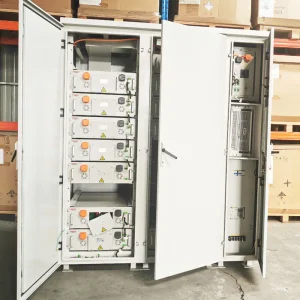
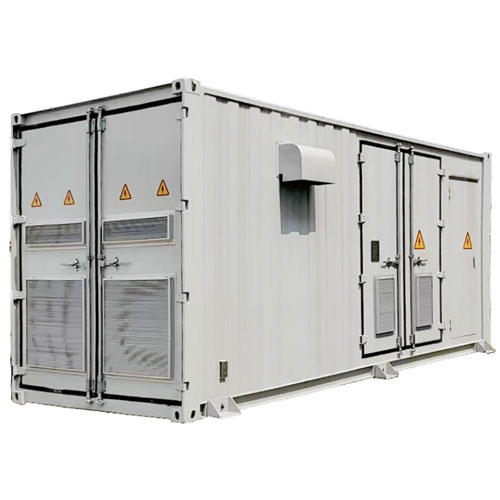
Hangzhou HK Charger Co., Ltd. addresses these global expectations by fabricating high-voltage, containerized ESS structures built with intelligent liquid or air cooling systems to prevent thermal runaway in arid climates like the Kalahari and Namib deserts.
| Parameter | Requirement (Namibia Grid) | HK Charger Compliance Standard |
|---|---|---|
| Ambient Temperature Range | -10°C to +50°C (Desert environments) | Active Thermal Management (Liquid/Air-cooling + HVAC) |
| Grid Code Compliance | Frequency regulation, active/reactive power control | Configurable PCS with droop control, NamPower aligned |
| Safety Standards | IEC 62619, IEC 63056, CE, UN38.3 | Fully certified LFP chemistry with multi-level BMS |
| System Enclosure | High dust, UV, and salt spray protection | IP54 / IP65 double-layer thermal insulated containers |
| Communication Interface | Modbus TCP/IP, CAN, DNP3 | Integrated EMS for remote SCADA & cloud-based telemetry |
Delivering cutting-edge grid-connected technologies to the global market, backed by strict manufacturing quality and continuous innovation.
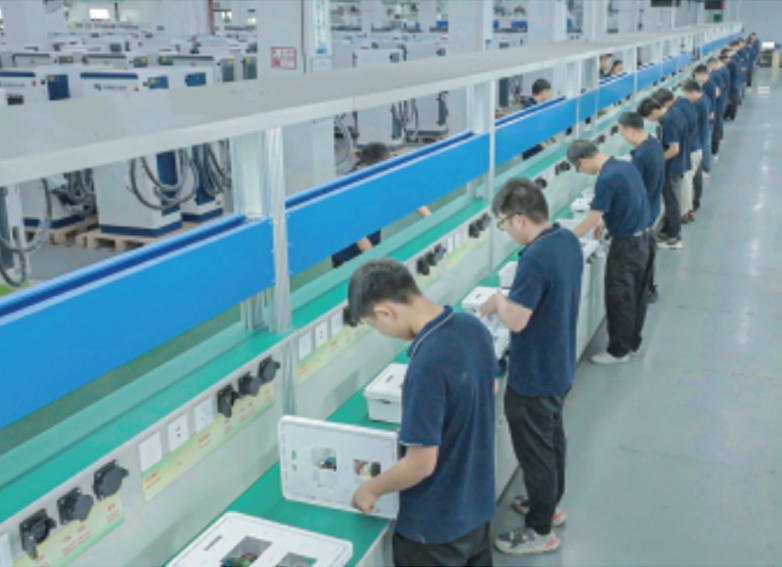
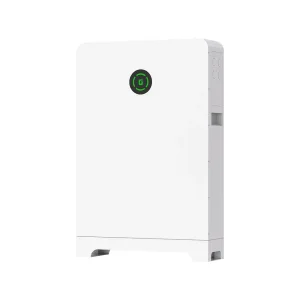
Hangzhou HK Charger Co., Ltd. is a leading manufacturer specializing in home, commercial, and industrial energy storage solutions, providing innovative systems for renewable integration, load balancing, and intelligent energy management. The company focuses on delivering reliable, efficient, and scalable energy storage products to meet the growing demand for clean, sustainable power.
With strict adherence to international quality and safety standards, continuous R&D investment, and a customer-focused approach, Hangzhou HK Charger Co., Ltd. has established itself as a trusted China manufacturer in the energy storage industry. The company's mission is to provide smart, efficient, and sustainable energy storage solutions that empower users to integrate renewable energy, enhance operational efficiency, and contribute to a greener future.
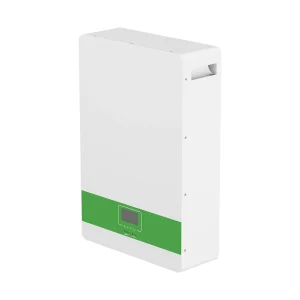
HK Charger's portfolio includes centralized and distributed storage systems, mobile and modular battery units, and hybrid solutions that seamlessly integrate with solar, wind, and other renewable energy sources. Each system is designed with smart monitoring, real-time performance tracking, and advanced load balancing capabilities, ensuring optimal energy efficiency, cost savings, and grid stability across various applications.
Committed to sustainability and technological innovation, Hangzhou HK Charger emphasizes intelligent energy management features, including remote monitoring, predictive maintenance, and scalable modular design. These solutions enable homeowners, businesses, and industrial operators to optimize energy usage, reduce peak demand charges, and maintain reliable power supply even in off-grid scenarios.
The transition toward LiFePO4 (Lithium Iron Phosphate) as the dominant chemistry for stationary storage is driven by safety, thermal stability, and long cycle life. In Namibia, where maintenance teams must travel hundreds of kilometers to remote sites, low-maintenance tech is non-negotiable. LFP offers over 6,000 cycles at 80% Depth of Discharge (DOD), translating to a 10-15 year operational lifespan.
Looking ahead, the integration of Solid-State batteries and advanced Hybrid Active Cooling will further reduce fire hazards and increase energy density. HK Charger is at the forefront of this evolution, actively researching Solid-State battery deployment configurations for heavy-duty industrial backup power systems to operate efficiently without continuous air-conditioning, significantly reducing auxiliary power draw.
Beyond utility-scale installations, microgrids are crucial for remote agricultural farms and lodges in tourism hotspots like Sossusvlei or Etosha. Deploying grid-hybrid systems (which run grid-connected but can seamlessly isolate to off-grid mode) ensures that operations can withstand regional load shedding or grid failure without interrupting business operations or agricultural processes.
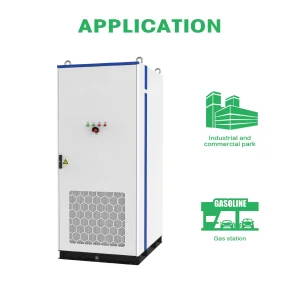
Customizable capacities from 50kW up to multi-MW container systems designed for municipal, mining, and industrial utility scales.
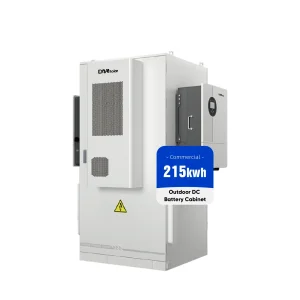
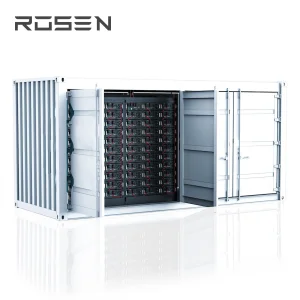
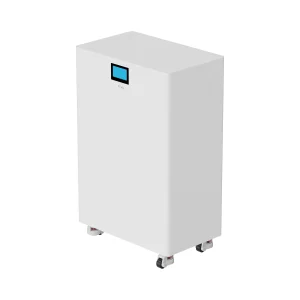
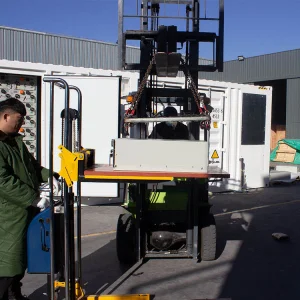
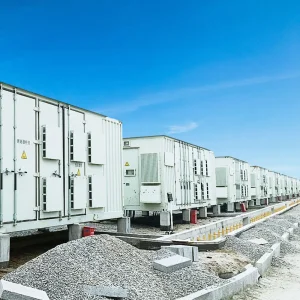
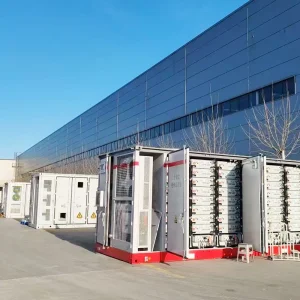
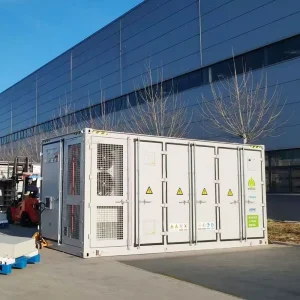
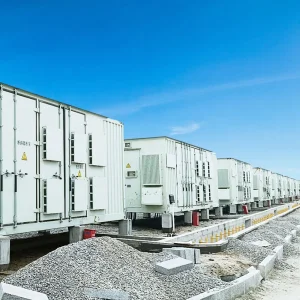
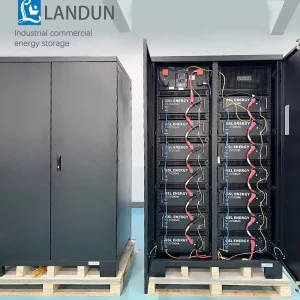
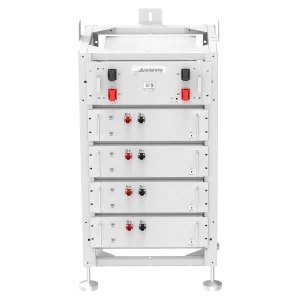
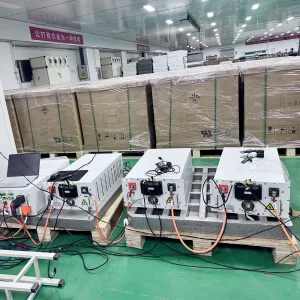
Deploying major capital equipment requires robust localized project execution. Hangzhou HK Charger works alongside local EPC partners in Windhoek, Swakopmund, and Walvis Bay to support feasibility studies, engineering, logistics, customs clearance at Walvis Bay Corridor, installation, and commissioning. We guarantee that all systems conform to the SANS (South African National Standards, widely referenced in Namibia) and comply with NamPower’s technical requirements for grid connection.
Additionally, our equipment incorporates intelligent cloud-based energy management portals, enabling operators to remotely troubleshoot, balance loads, perform predictive maintenance, and update system firmware over-the-air (OTA). This significantly mitigates downtime risk in remote locations across the Karas and Oshikoto regions.
Key technical insights on grid integration, battery performance, and procurement processes for Namibia.
Contact our senior application engineers to receive custom technical drawings, single-line diagrams, and competitive wholesale factory quotes.
Send Inquiry Now HK Charger