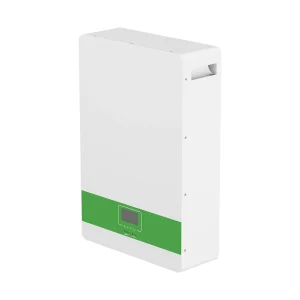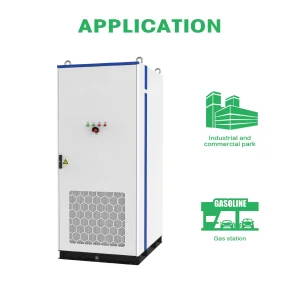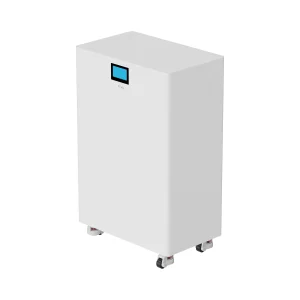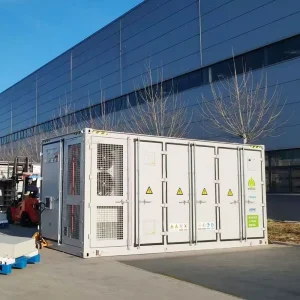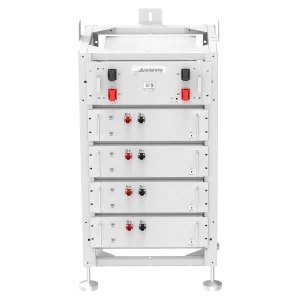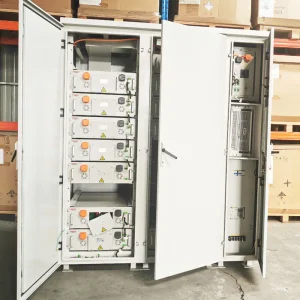
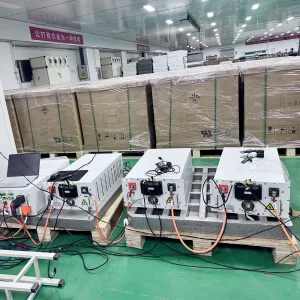
Verona is not only a cultural masterpiece of Northern Italy but also a critical logistical hub and industrial powerhouse for the Veneto region. As businesses face unprecedented fluctuations in Italian electricity prices (PUN) and strict decarbonization mandates under Italy’s *Piano Nazionale Integrato per l'Energia e il Clima* (PNIEC), local grid integration requires specialized energy storage. The grid infrastructure in Veneto must balance a high density of industrial zones with massive solar generation peaks from agricultural projects.
"To handle peak shaving, grid congestion, and high distribution network charges in Northern Italy, grid-tied battery storage is no longer optional—it is a cornerstone of operational survival for C&I companies in Verona."
For industrial operators near the Quadrante Europa logistics hub and Verona’s manufacturing districts, localized grid-connected battery storage mitigates grid volatility, avoids reactive power penalties, and secures uninterrupted power during local grid maintenance cycles.
Modern grid-connected energy storage has shifted from 150V layouts to high-voltage architectures (up to 768V and 1500V). Higher voltage reduces current loops, minimizes copper requirements, decreases internal thermal losses, and dramatically improves the round-trip conversion efficiency of the integrated systems.
Global markets now prioritize Energy Management Systems (EMS) with algorithmic trading capability. These systems monitor day-ahead hourly tariffs (like the Italian GME market), automatically charging when prices are low or negative, and feeding energy back into the grid during peak intervals.
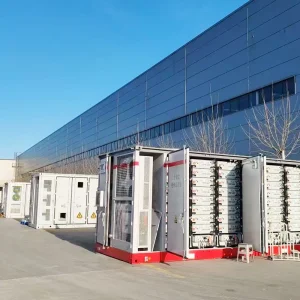
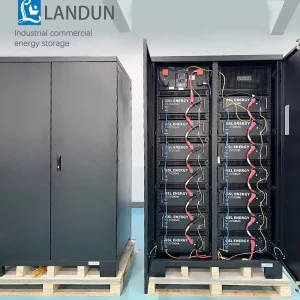
For high-capacity environments such as 215kwh systems, advanced air cooling or liquid cooling channels guarantee uniform temperature gradients within the enclosure. Keeping cell-to-cell thermal deviation under 3°C effectively extends battery lifespan by up to 20%.
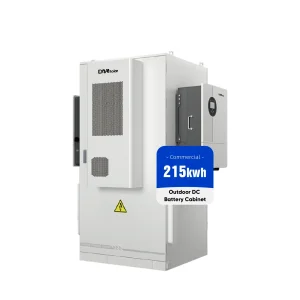
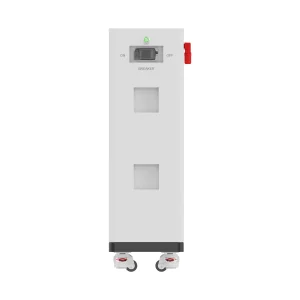
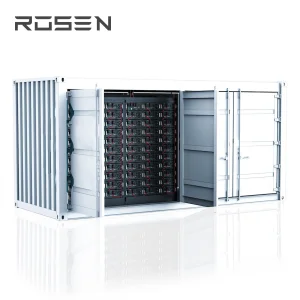
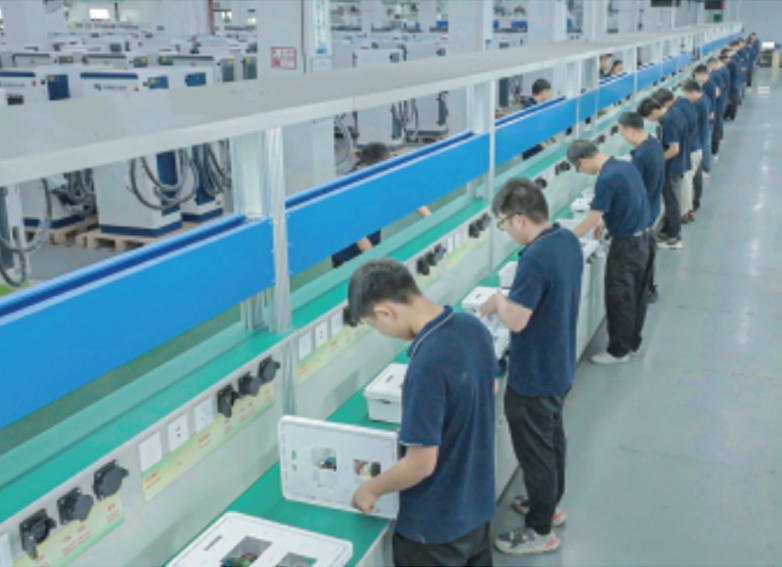
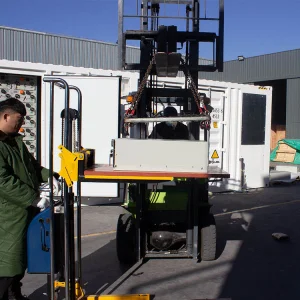
Sourcing commercial and utility-grade grid-connected energy storage from China provides major economic and engineering advantages. Our China factory runs on high-throughput, automated production lines that guarantee micro-millimeter precision for cell spacing, laser welding of module busbars, and comprehensive cell grading before enclosure integration.
Key advantages of our manufacturing lines include:
For energy storage systems targeted at Verona and broader European destinations, compliance is non-negotiable. Global procurers must verify:
Hangzhou HK Charger Co., Ltd. is a leading manufacturer specializing in home, commercial, and industrial energy storage solutions, providing innovative systems for renewable integration, load balancing, and intelligent energy management. The company focuses on delivering reliable, efficient, and scalable energy storage products to meet the growing demand for clean, sustainable power.
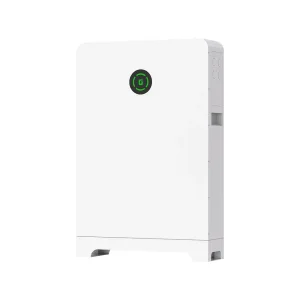
HK Charger’s portfolio includes centralized and distributed storage systems, mobile and modular battery units, and hybrid solutions that seamlessly integrate with solar, wind, and other renewable energy sources. Each system is designed with smart monitoring, real-time performance tracking, and advanced load balancing capabilities, ensuring optimal energy efficiency, cost savings, and grid stability across various applications.
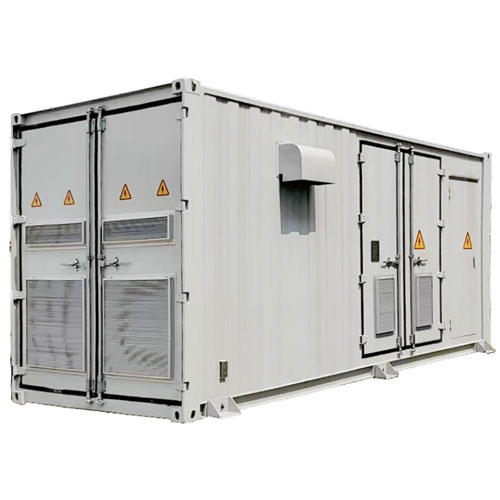
Committed to sustainability and technological innovation, Hangzhou HK Charger emphasizes intelligent energy management features, including remote monitoring, predictive maintenance, and scalable modular design. These solutions enable homeowners, businesses, and industrial operators to optimize energy usage, reduce peak demand charges, and maintain reliable power supply even in off-grid scenarios.
With strict adherence to international quality and safety standards, continuous R&D investment, and a customer-focused approach, Hangzhou HK Charger Co., Ltd. has established itself as a trusted China manufacturer in the energy storage industry. The company’s mission is to provide smart, efficient, and sustainable energy storage solutions that empower users to integrate renewable energy, enhance operational efficiency, and contribute to a greener future.
Winemaking is energy-intensive, with peaks during autumn harvesting and processing. Large solar installations combined with grid-connected 215kwh battery storage allow wineries in Valpolicella or Soave to achieve high energy self-consumption, store midday solar excess, and discharge it to power refrigeration and crushing lines during high-tariff evening hours.
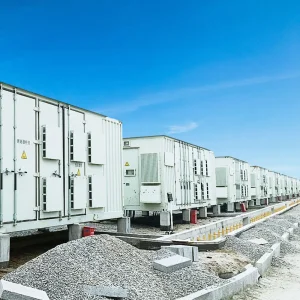
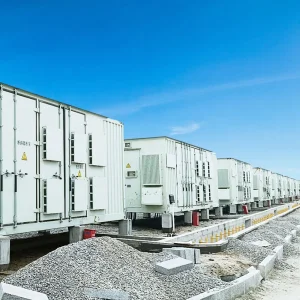
Quadrante Europa in Verona handles millions of tons of goods annually. Cold chain warehouses require persistent cooling. An integrated high-voltage 500kwh battery system acts as a dynamic reserve that absorbs solar production peaks and provides critical backup power, protecting perishable foods in the event of grid instability.
Verona's heavy industries and automotive component makers consume massive amounts of energy. These companies face steep power demand charges. By utilizing grid-connected battery storage, they can draw stored power during startup phases, avoiding expensive grid demand spikes and lowering peak demand charges.
For installations in Verona and the wider Italian market, systems must satisfy the CEI 0-21 standard for low-voltage connections and the CEI 0-16 standard for medium-voltage connections. Our engineering department handles all manufacturing certifications and supplies the documentation needed for grid approval by your regional distribution network operator (e.g., E-Distribuzione).
Verona experiences cold winters and hot summers. Standard battery systems degrade rapidly when cell temperatures exceed 35°C or fall below 5°C. HK Charger systems utilize active liquid cooling or advanced air cooling pipelines to keep cells inside their optimal operating temperature range, maximizing cycle life and preventing thermal runaway.
Yes. Our integrated systems feature smart Power Conversion Systems (PCS) capable of switching between grid-tied and off-grid configurations in under 10 milliseconds. This ensures your facility remains powered during unexpected blackouts or grid frequency fluctuations.
High-voltage architectures (such as 768V solutions) support lower current flow for the same power output. This allows for thinner cabling, reduces heat buildup, and improves energy conversion efficiency, leading to higher system efficiency over years of active cycling.
We deploy high-quality LFP cells, execute three levels of BMS testing (cell, pack, and system level), and verify thermal control. Every shipping container undergoes comprehensive physical testing before leaving our loading docks, guaranteeing compliance with CE, TUV, and IEC standards.
Optimize your factory, logistics park, or utility infrastructure in Verona with state-of-the-art Chinese engineering. Request a customized engineering proposal.
Send Inquiry Now HK Charger