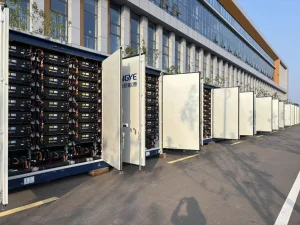
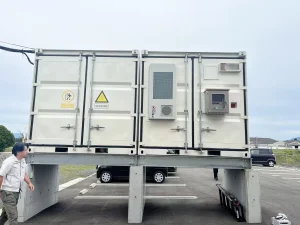
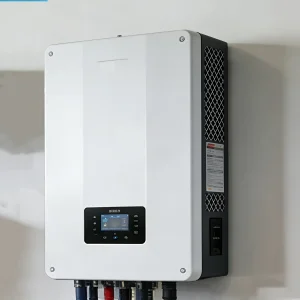
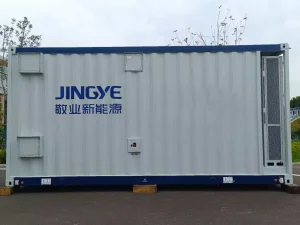
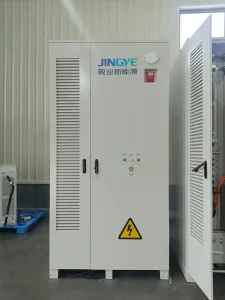
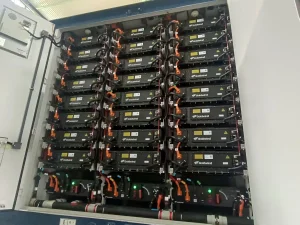
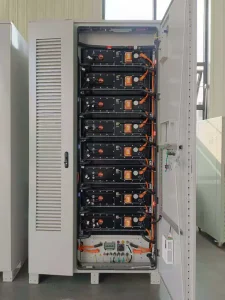
Rapid-response energy storage modules engineered to optimize wind integration and stabilize industrial voltage.
As Latin America’s preeminent manufacturing epicenter, the metropolitan area of Monterrey, Nuevo León, is witnessing an unprecedented influx of foreign direct investment (FDI). Guided by the macroeconomic tailwinds of nearshoring, global automotive, electronics, and heavy machinery giants are rapidly establishing gigafactories and advanced production nodes across the region. However, this massive industrial expansion has pushed the regional power grid, operated by the *Comisión Federal de Electricidad* (CFE), to its operational limits. Grid congestion, voltage instability, and regulatory mandates for clean energy source utilization present significant compliance hurdles.
Concurrently, Northeast Mexico has abundant wind resources. Wind power generation is highly intermittent; sudden drops in wind speed disrupt manufacturing plants. This is where high-voltage, large-capacity Battery Energy Storage Systems (BESS) become critical infrastructure. Integrating wind-integrated energy storage plants directly into Monterrey’s industrial microgrids ensures reliable, continuous, and grid-code-compliant operations.
Industrial operations in municipalities like Apodaca, Santa Catarina, Guadalupe, and Pesquería require extreme power reliability. A single voltage dip of milliseconds can freeze assembly lines, leading to hundreds of thousands of dollars in losses. Wind energy, while plentiful, suffers from severe ramp-rate volatility. Incorporating wind-integrated energy storage allows manufacturers to:
Delivering world-class commercial, industrial, and residential energy storage systems.
Hangzhou HK Charger Co., Ltd. is a leading manufacturer specializing in home, commercial, and industrial energy storage solutions, providing innovative systems for renewable integration, load balancing, and intelligent energy management. The company focuses on delivering reliable, efficient, and scalable energy storage products to meet the growing demand for clean, sustainable power.
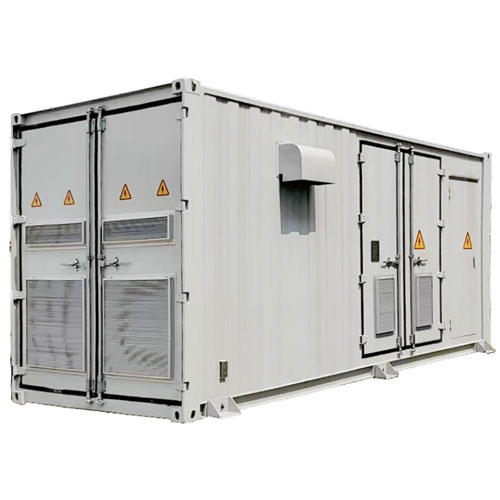
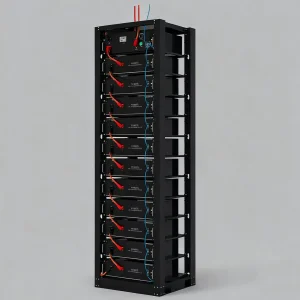
HK Charger’s portfolio includes centralized and distributed storage systems, mobile and modular battery units, and hybrid solutions that seamlessly integrate with solar, wind, and other renewable energy sources. Each system is designed with smart monitoring, real-time performance tracking, and advanced load balancing capabilities, ensuring optimal energy efficiency, cost savings, and grid stability across various applications.
Committed to sustainability and technological innovation, Hangzhou HK Charger emphasizes intelligent energy management features, including remote monitoring, predictive maintenance, and scalable modular design. These solutions enable homeowners, businesses, and industrial operators to optimize energy usage, reduce peak demand charges, and maintain reliable power supply even in off-grid scenarios.
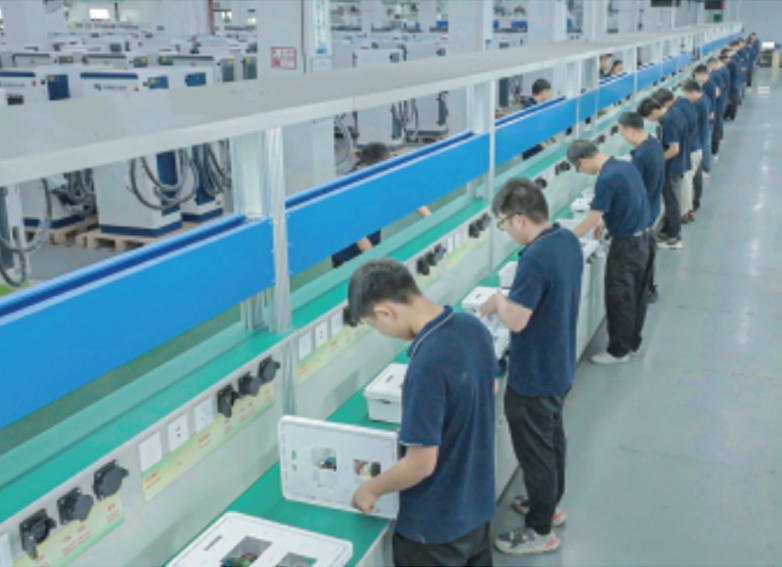
With strict adherence to international quality and safety standards, continuous R&D investment, and a customer-focused approach, Hangzhou HK Charger Co., Ltd. has established itself as a trusted China manufacturer in the energy storage industry. The company’s mission is to provide smart, efficient, and sustainable energy storage solutions that empower users to integrate renewable energy, enhance operational efficiency, and contribute to a greener future.
Monterrey's industrial corridor experiences intense climatic variation, with summer temperatures routinely exceeding 40°C. High ambient temperatures degrade standard lithium-iron-phosphate (LFP) battery cells, shortening their operational life. Consequently, our industrial energy storage configurations implement a dual-pathway thermal management approach optimized for these conditions:
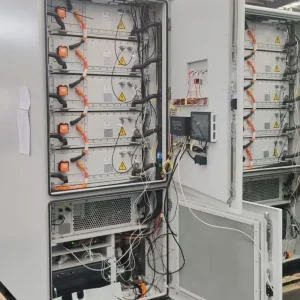
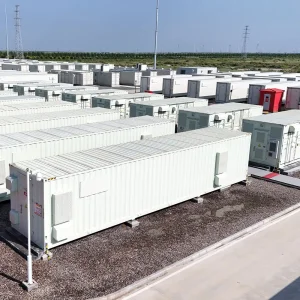
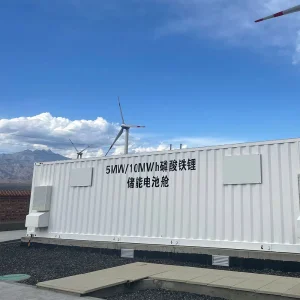
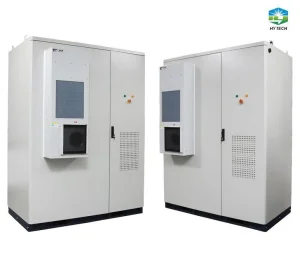
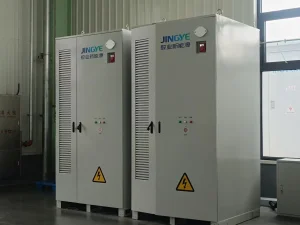
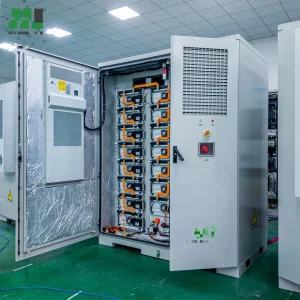
For installations exceeding 1MWh (e.g., our 5MWh Liquid-Cooled Container Systems), we implement closed-loop liquid cooling systems. By channeling coolant plates directly through cell packs, we maintain cell temperature deviation within ±2°C. This prevents thermal runaway, maintains cell consistency, and extends system life to over 6000 cycles at 80% Depth of Discharge (DOD). For smaller C&I projects (100kW/200kWh cabinets), HVAC-driven smart air cooling with dual-duct airflow provides a cost-effective alternative for indoor or temperature-controlled electrical rooms.
Traditional grid-following inverters require a stable voltage reference from CFE's grid to operate. However, during local grid blackouts or voltage sags in Nuevo León, our systems deploy grid-forming inverters. These inverters can self-synthesize a voltage and frequency waveform, allowing industrial plants to run seamlessly off wind power and battery reserve without external grid input.
| System Capacity Segment | Cooling Technology | Optimal Application | Grid Code Compliance Feature |
|---|---|---|---|
| 215kWh - 417kWh Cabinet | Smart Air / Liquid Cooling | Commercial Retail & Light Machinery | Dynamic Power Factor Regulation |
| 0.5MW - 2.0MW BESS | Liquid Cooling (R32 / Glycol) | Wind-Solar Farm Integration & Peak Shaving | Frequency Response & Voltage Sag Ride-Through |
| 5.0MWh+ Containerized System | Centralized Liquid Chiller Unit | Heavy Industrial Parks & Grid-Tie Hubs | Black Start, Harmonics Mitigation, CENACE Compliant |
Each deployment features integration with our proprietary EMS platform. This platform monitors cell-level telemetry (voltage, temperature, State of Charge, State of Health) and predicts grid faults using AI-driven diagnostics. This prevents localized faults from escalating into catastrophic shutdowns.
Why multinational EPCs and local developers source from Hangzhou HK Charger.
Our systems comply with Mexican NOM-001-SEDE electrical safety regulations, ensuring rapid permitting and streamlined custom clearance through Laredo and Altamira ports.
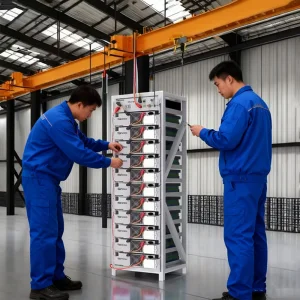
From single industrial cabinet installations to complex containerized wind farm microgrids, our mechanical and software designs are engineered for rapid site deployment.
We source directly from premium raw component and A-grade LFP cell producers. This guarantees cycle safety, high round-trip efficiency, and competitive LCOS (Levelized Cost of Storage).
Technical and regulatory insights for deploying Wind-BESS systems in Northeast Mexico.
Explore our full line of commercial, industrial, and high-capacity battery storage systems optimized for the Monterrey market.
Partner with HK Charger to optimize factory grid compliance and eliminate energy supply risks.
Send Inquiry Now → HK Charger