Engineered to deliver exceptional performance, longevity, and thermal stability for heavy-duty industrial installations and global logistics support.
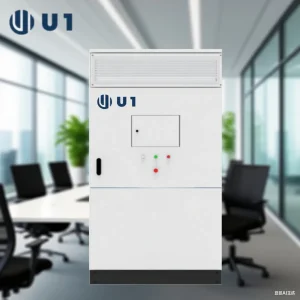
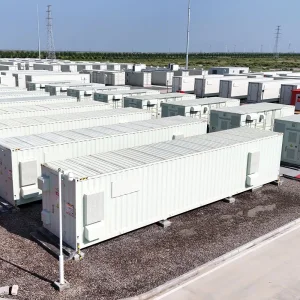
As structural shifts redefine grid interfaces worldwide, industrial actors demand robust, high-availability battery technology to secure operational continuity. Hangzhou HK Charger Co., Ltd. stands at the forefront of this clean energy frontier. As a premier China manufacturer and exporter, we specialize in high-capacity home, commercial, and industrial energy storage solutions tailored to global distribution requirements.
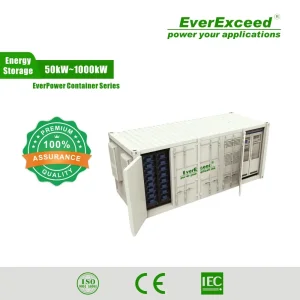
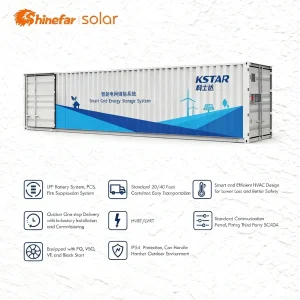
Our comprehensive portfolio spans utility-scale containerized systems, smart distribution units, and DC fast-charging systems engineered for integration with solar, wind, and local microgrid architectures. Built on proprietary Battery Management System (BMS) logic and intelligent thermal engineering, our systems minimize efficiency losses while maximizing peak shaving and frequency regulation output.
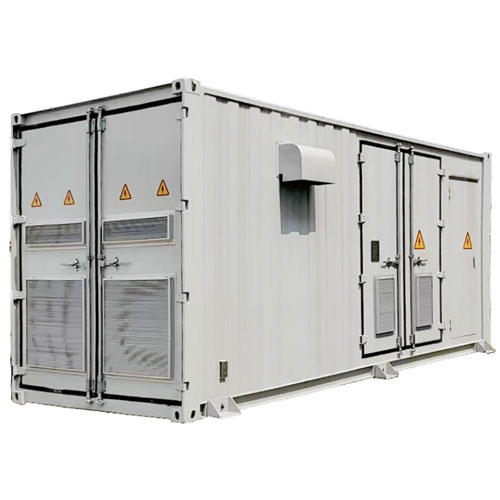
Decoding the shifts toward modular electrification, fleet decabornization, and grid independence.
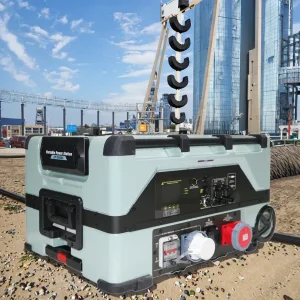
The global demand for mobile and containerized energy systems is experiencing exponential growth, driven by aggressive net-zero mandates, volatile grid pricing, and the rapid electrification of heavy machinery. Modern commercial installations are no longer static sinks of grid power; they function as active, responsive endpoints within distributed energy resource (DER) grids. High-capacity mobile batteries allow construction networks, mining camps, and remote telecom arrays to replace expensive diesel generators, reducing both operating expenditure and scope 1 greenhouse gas emissions.
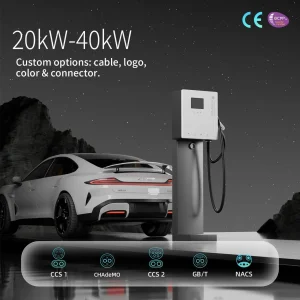
Concurrently, the rapid scaling of commercial electric vehicles (EVs) has placed unprecedented strain on existing substation capacities. The integration of high-power Level 3 EV chargers—requiring 20kW to over 300kW per bay—demands immediate buffering. Locally installed Battery Energy Storage Systems (BESS) act as energy reservoirs, drawing moderate power from the grid during off-peak hours and discharging at high currents during vehicle rapid charging cycles. This localized load management avoids grid penalties and infrastructure upgrade charges.
Reduce electricity costs by drawing utility power during off-peak windows and utilizing stored energy during high-tariff periods, minimizing utility demand charges.
Provide instantaneous frequency support and voltage regulation, ensuring high-power industrial machinery operates smoothly without local voltage sags.
Stack battery systems in parallel configurations from 50kW to 10MW+, adapting effortlessly to growing facility loads and EV charging lanes.
System Reliability
Battery Cycle Life
Countries Exported
Scale Deployment
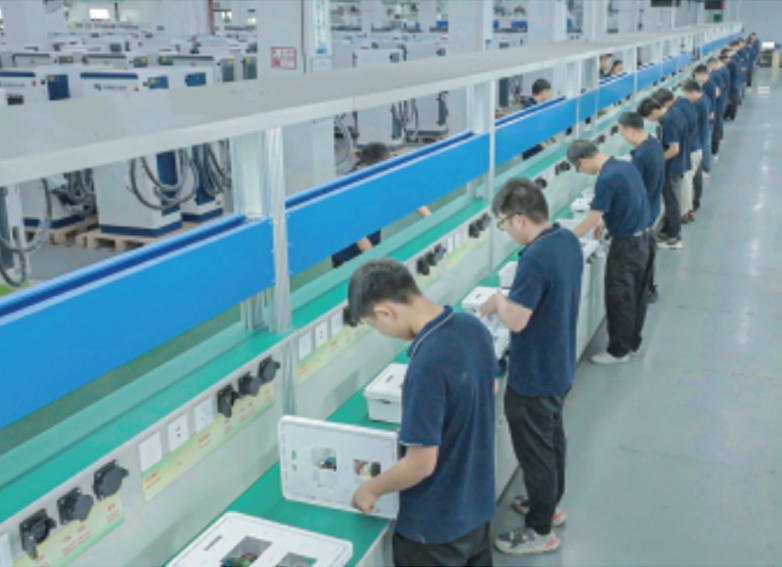
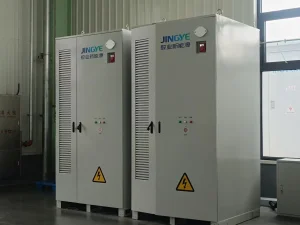
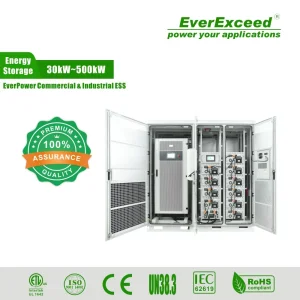
Reliable operations in extreme environments require sophisticated thermal topologies. Hangzhou HK Charger employs advanced liquid cooling technology in our premium containment units, such as the LFP-417kwh Liquid-Cooled Cabinet. Unlike traditional air-cooled setups, which suffer from localized thermal gradients and cell mismatching, liquid cooling maintains internal cell temperature variances within a precise 2.5°C threshold.
This strict thermal equilibrium directly prevents localized dendritic growth and capacity fade, extending active service lifespans by up to 25%. Our integrated Smart BMS platforms monitor cell voltage, temperature, and internal resistance continuously, communicating with system controllers via CAN/Modbus protocols to optimize safety shutdowns and maintain grid safety standards.
Customized power deployment strategies addressing distinct regional, industrial, and infrastructure requirements.
Industrial applications present unique demands depending on geographic location, grid reliability, and power quality requirements. Hangzhou HK Charger configures specialized turn-key installations to meet these operational realities:
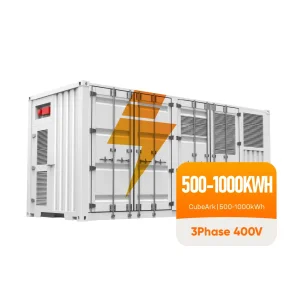
In locations such as remote oil basins and mining operations, grid connections are often fragile or non-existent. Our containerized lithium-ion storage installations provide critical voltage support, stabilizing local grids against the massive starting currents of heavy machinery and large pumps, preventing generator failures and system downtime.
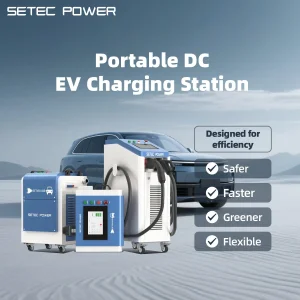
For logistics operators converting to electric fleets, charging multiple vehicles simultaneously creates severe peak power spikes. By deploying high-output DC EV charging stations coupled with local battery reserves, fleet depots can charge vehicles quickly at peak rates without triggering expensive grid upgrades.
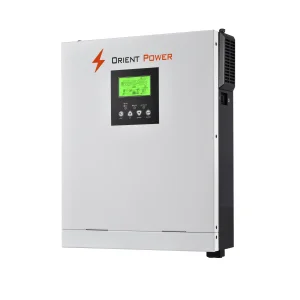
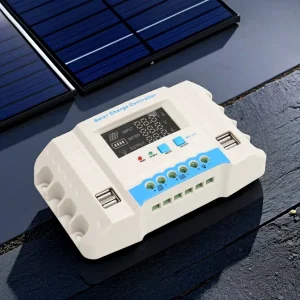
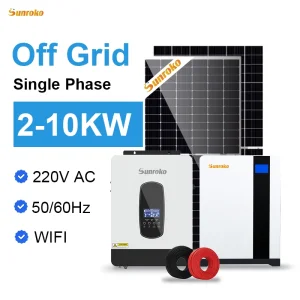
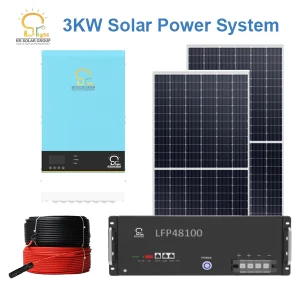
For regions with unreliable electrical grids, all-in-one solar and battery storage systems provide essential energy independence. By storing rooftop solar energy during the day, homeowners can run essential appliances overnight, ensuring continuous power through utility blackouts.
A look at the upcoming technological advancements and system designs shaping the energy landscape.
Expert answers to critical operational, design, and purchasing questions regarding modern BESS and EV technology.
Designed for fast charging, commercial load buffering, and flexible off-grid energy configurations.
 HK Charger