Core components and turnkey solutions engineered to stabilize grids, facilitate high-efficiency transition, and power clean mobility.
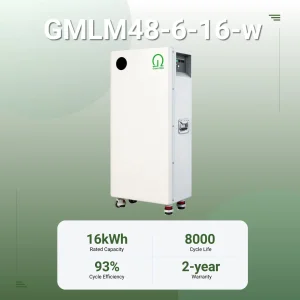
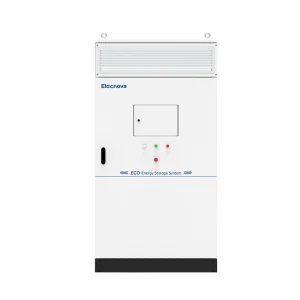
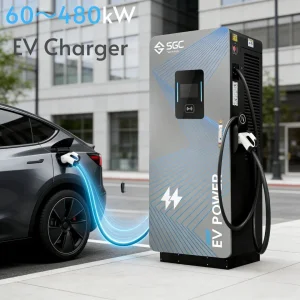
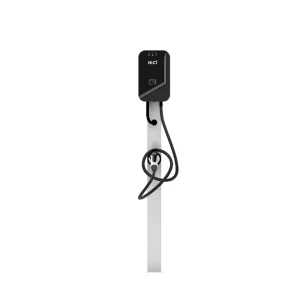
Hangzhou HK Charger Co., Ltd. is a leading manufacturer specializing in home, commercial, and industrial energy storage solutions, providing innovative systems for renewable integration, load balancing, and intelligent energy management. The company focuses on delivering reliable, efficient, and scalable energy storage products to meet the growing demand for clean, sustainable power.
HK Charger’s portfolio includes centralized and distributed storage systems, mobile and modular battery units, and hybrid solutions that seamlessly integrate with solar, wind, and other renewable energy sources. Each system is designed with smart monitoring, real-time performance tracking, and advanced load balancing capabilities, ensuring optimal energy efficiency, cost savings, and grid stability across various applications.
Committed to sustainability and technological innovation, Hangzhou HK Charger emphasizes intelligent energy management features, including remote monitoring, predictive maintenance, and scalable modular design. These solutions enable homeowners, businesses, and industrial operators to optimize energy usage, reduce peak demand charges, and maintain reliable power supply even in off-grid scenarios.
Understanding the technical, economic, and geopolitical drivers restructuring the global power grid.
The global transition from fossil-fuel-dominated systems to decentralized, low-carbon power architecture represents one of the most significant engineering challenges of the 21st century. As governments accelerate decarbonization mandates, electrical grids face unprecedented stress. The inherent intermittency of wind and solar sources requires massive deployment of utility-scale and commercial Battery Energy Storage Systems (BESS) to perform vital grid-level stabilization functions, such as frequency response, capacity reserve, and peak-shaving.
Concurrently, the rapid adoption of electric mobility has introduced heavy localized loads onto distribution networks. Megawatt-level charging infrastructure demands sophisticated local power management, energy storage integration, and bidirectional grid interactions (Vehicle-to-Grid, V2G). As a premier OEM/ODM Energy Transition Solutions Supplier, Hangzhou HK Charger Co., Ltd. occupies the critical junction of these structural trends. We supply the underlying hardware, firmware, and thermal management architectures required by grid operators, project developers, and industrial conglomerates to transition successfully to decentralized renewables.
"Global renewable capacity must triple by 2030 to keep pace with net-zero projections. Energy storage is not merely a supplementary asset; it is the fundamental enabling technology that secures grid stability during deep decarbonization."
By offering customized OEM and ODM capabilities, we allow system integrators to scale up configurations rapidly. Whether deploying high-density LFP containers for harsh environments or high-power liquid-cooled DC fast chargers, our industrial-grade components are built for longevity, dynamic dispatch capabilities, and extreme thermal resilience.
System Conversion Efficiency
Battery Cell Lifecycle (80% DOD)
Exporting Countries & Regions
Custom OEM Capacity Yearly
System Architecture, Controls, and Thermal Management Principles.
Tier-1 active balancing BMS designed for high-voltage (up to 1500V) systems. Monitors cell voltage, temperature, and internal resistance to extend cycle life by 20%.
Integration of liquid cooling and dual-fan air-conditioning units ensures uniform temperature distribution inside containerized systems, keeping delta-T under 3°C.
Seamless communication interface supporting Modbus TCP/IP, CAN, and OCPP 1.6J/2.0.1. Enabling unified SCADA orchestration and cloud-based VPP dispatch.
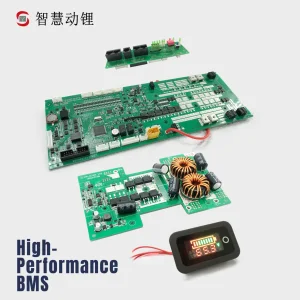
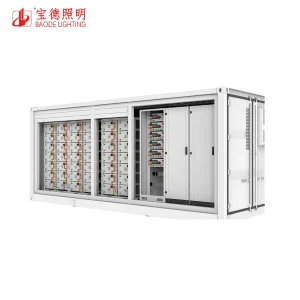
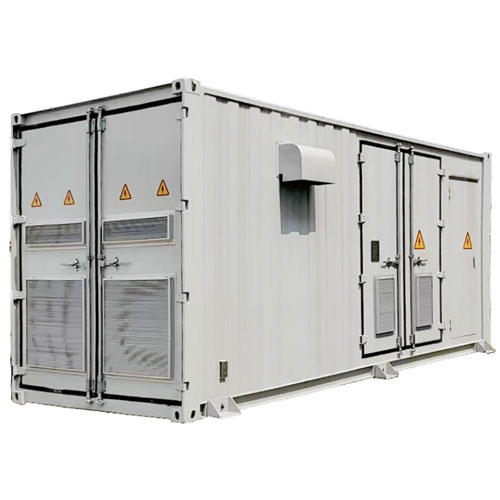
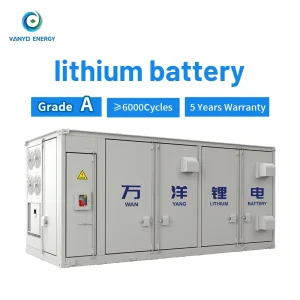
The safety of high-capacity storage relies heavily on BMS precision. Our Advanced 48V LiFePO4 Smart Battery Management System integrates real-time SOX (State of Charge, State of Health, State of Energy) calculations and multi-layered hardware protection loops. In heavy C&I deployments, such as our 2.5mwh Containerized Storage, the BMS interfaces with Master and System controllers to isolate faulty modules within milliseconds of sensing thermal or electrical anomalies.
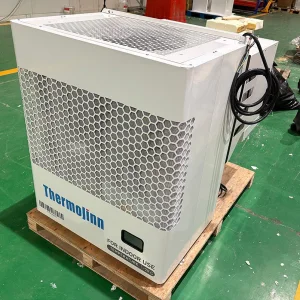
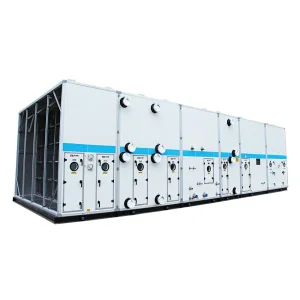
LiFePO4 battery degradation accelerates if cells operate outside the 20°C to 35°C window. To mitigate thermal runaway risk, HK Charger implements advanced dual-fan air handling and refrigeration configurations. The Precision-Temperature-Control Combined Air-Conditioning Unit maintains low cell-to-cell temperature gradients under continuous C-rate cycling. This is crucial for applications that experience rapid charging and discharging, such as wind-solar hybrid microgrids and high-power EV charging support stations.
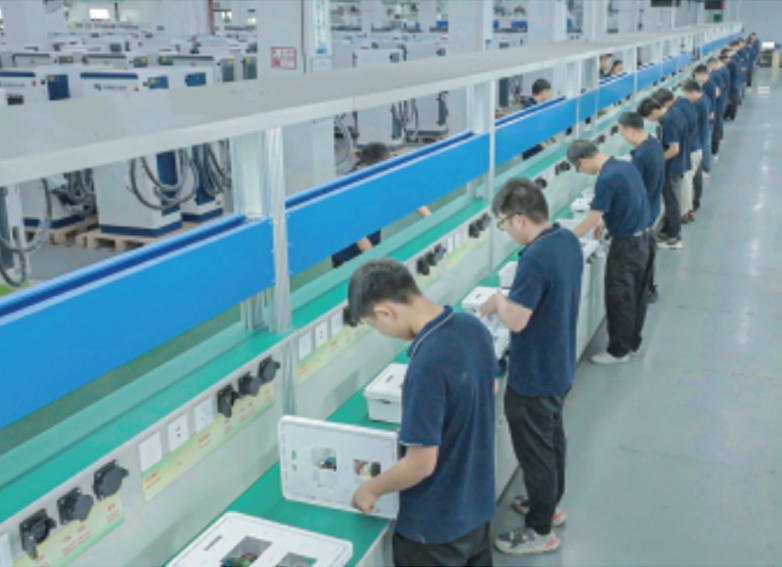
As a leading China manufacturer of energy storage and EV charging systems, Hangzhou HK Charger Co., Ltd. benefits from the world's most mature battery industrial ecosystem. Located in the Yangtze River Delta, we have direct access to upstream raw material processing, high-density LFP cell production, power semiconductor fabrication, and advanced sheet metal tooling.
This geographic concentration allows us to compress production lead times by up to 40% compared to Western competitors. More importantly, it ensures robust component supply chains, insulating our global OEM/ODM partners from sudden market shifts or logistics disruptions.
Every phase of our assembly process, from automated laser welding of copper busbars to high-voltage insulation tests, is subject to strict quality control. Our facilities are certified to ISO 9001:2015, ISO 14001:2015, and ISO 45001:2018 standards, ensuring that every product exported meets rigorous safety and reliability criteria.
How our customized OEM/ODM systems adapt to regional grid environments, commercial requirements, and climatic extremes.
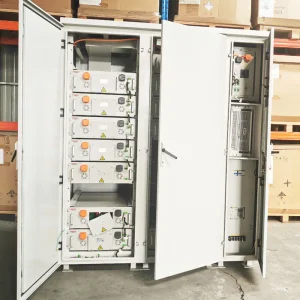
In regions with high demand-based electricity tariffs, commercial facilities face significant operational costs during peak grid demand periods. Our 768V 215kwh Industrial and Commercial Energy Storage Equipment provides a solution by charging during low-tariff hours and discharging during high-rate intervals. Integrated into local factory EMS, the system limits the site's maximum utility draw, lowering monthly demand charges. With rapid payback periods, these units are customizable to fit within limited footprint areas, making them ideal for urban distribution centers and medium-scale manufacturing plants.
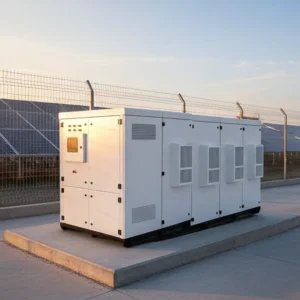
Islands and remote mining sites rely on costly, high-emission diesel generators. By deploying containerized systems like the Elecnova Wind Solar Hybrid Power System 300kwh Containerized Power Station, operators can create stable microgrids. The system stores excess wind and solar generation during the day and provides reliable base-load power overnight. The built-in EMS handles grid-forming tasks, allowing the microgrid to function independently during main-grid blackouts or operate entirely off-grid in remote regions.
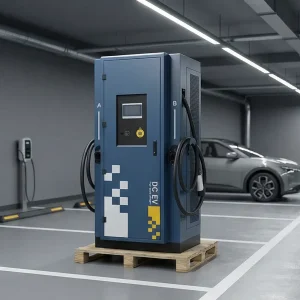
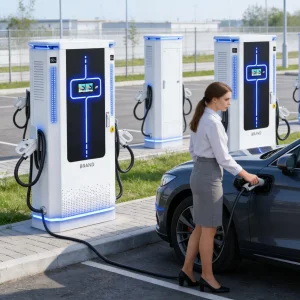
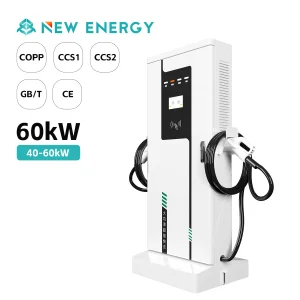
Highways and commercial depots require megawatt-scale power to support fast EV charging. Installing multiple units of our Sgc Commercial 240kw/320kw/360kw DC Fast EV Chargers can strain the local substation. By coupling these chargers with a containerized storage buffer (BESS), the station can draw power slowly from the grid to fill the batteries, then discharge high-power bursts to vehicles. This hybrid setup prevents grid instability and reduces grid connection upgrade costs for charge point operators (CPOs).
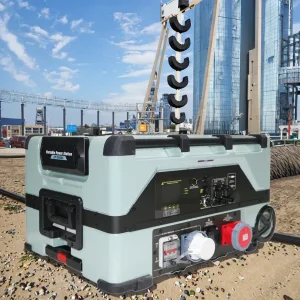
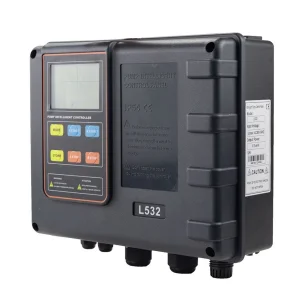
High-performance charging stations, modular battery modules, and auxiliary system controllers built for global markets.
Navigating complex international certifications, quality standards, and technical grid codes.
Entering international energy markets requires meeting strict regulatory standards. Hangzhou HK Charger ensures that all products are engineered to align with national and regional safety frameworks. Our energy storage solutions comply with standards such as UL 9540A (Thermal Runaway Fire Propagation Testing), IEC 62619 (Safety requirements for secondary lithium cells), and European CE-LVD standards.
For charging stations and grid connections, we maintain compatibility with regional grid-tied codes (e.g., IEEE 1547, EN 50549-1), ensuring smooth integration and permitting with local utilities. Our charging ports support standard interfaces, including CCS2, CHAdeMO, and GB/T, alongside OCPP 1.6J/2.0.1 for integration with global charge point management networks.
To support deployment, HK Charger provides a range of OEM/ODM service capabilities, including:
Detailed answers to technical and operational questions regarding BESS and EV charging integration.
 HK Charger