HK Charger
1 / 5
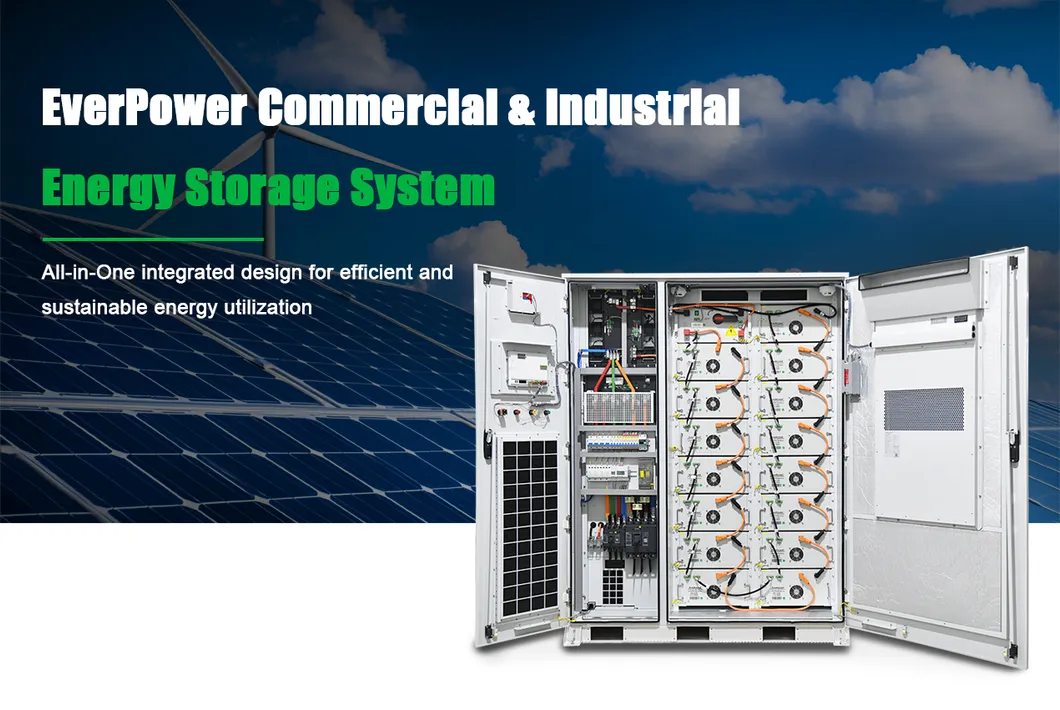
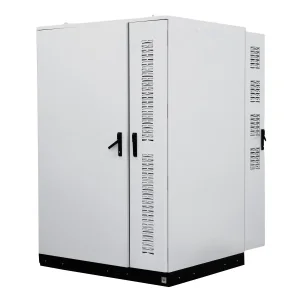
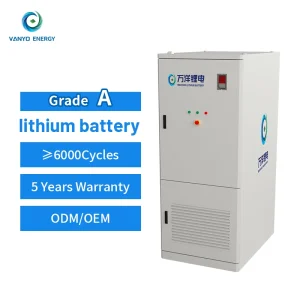
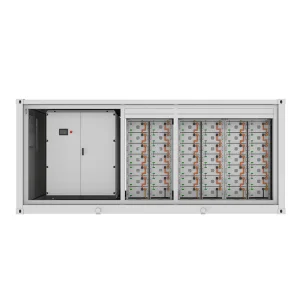
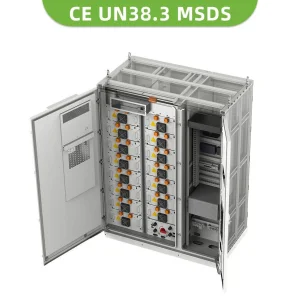
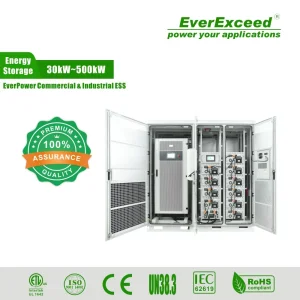
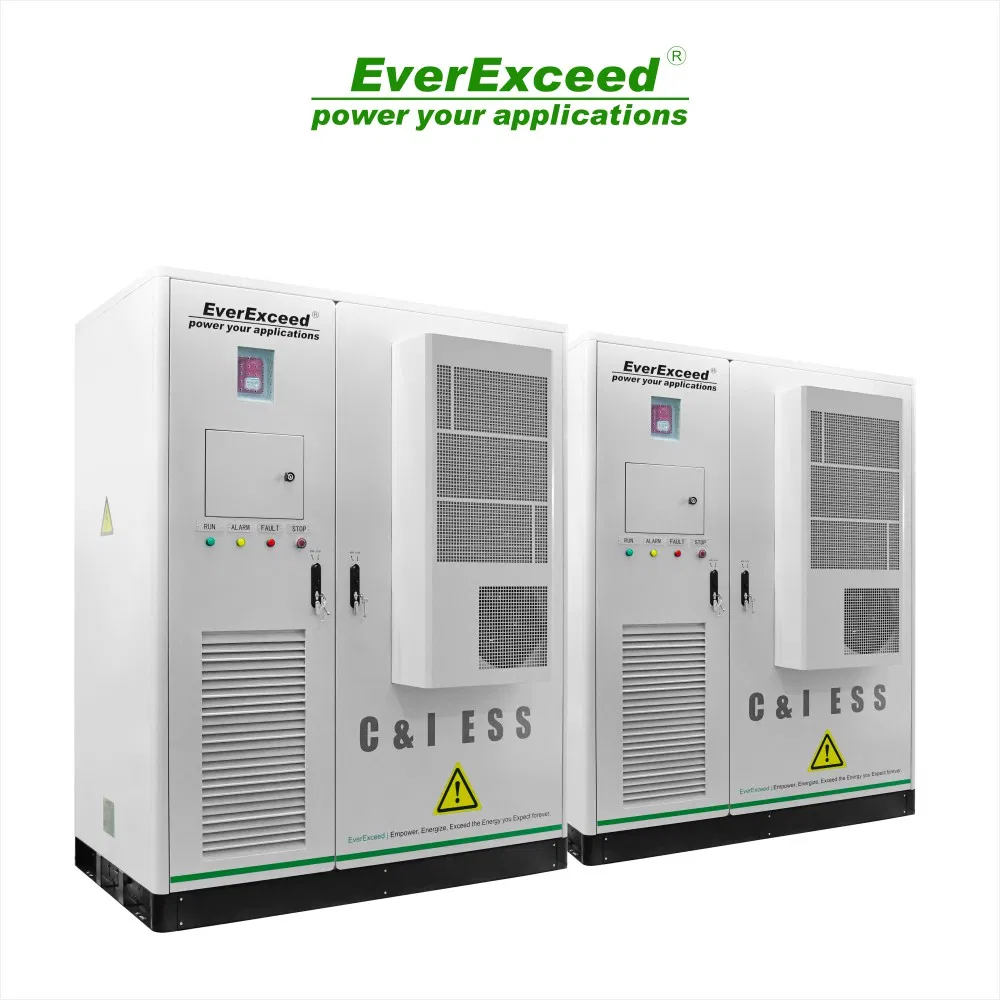
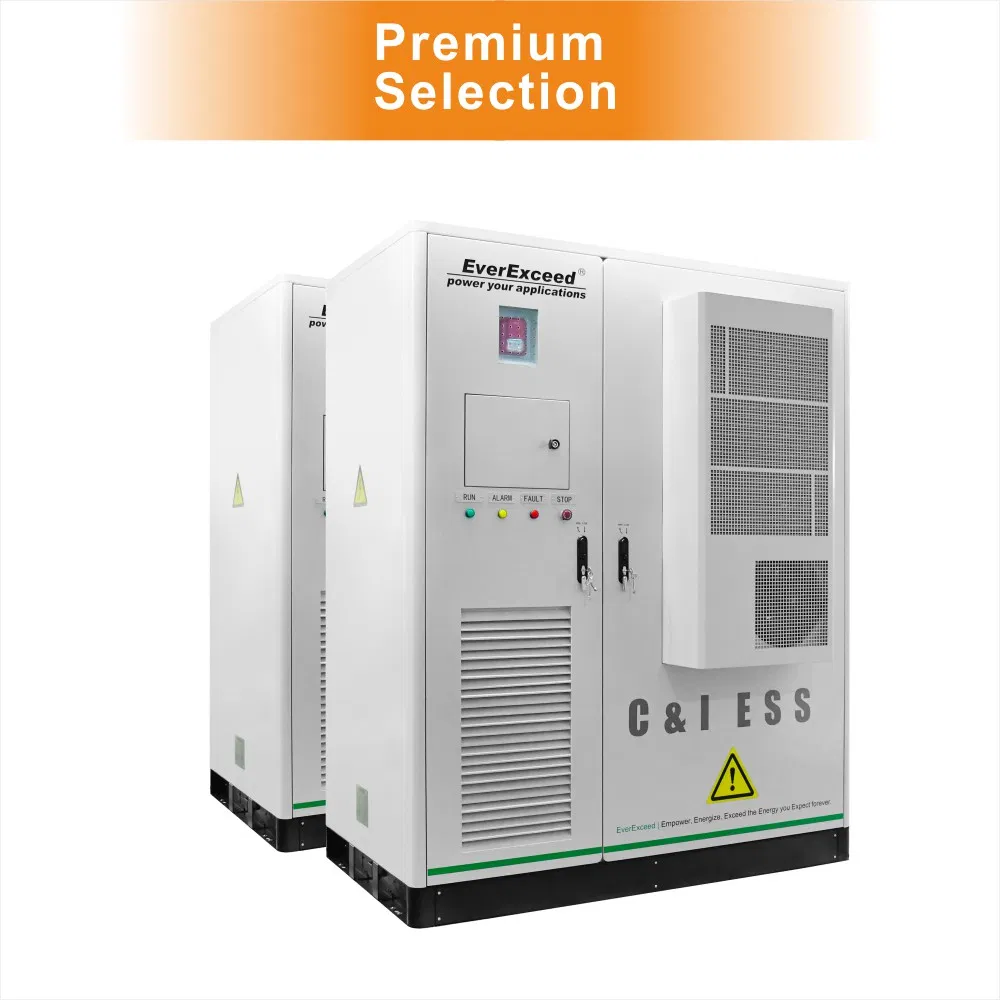
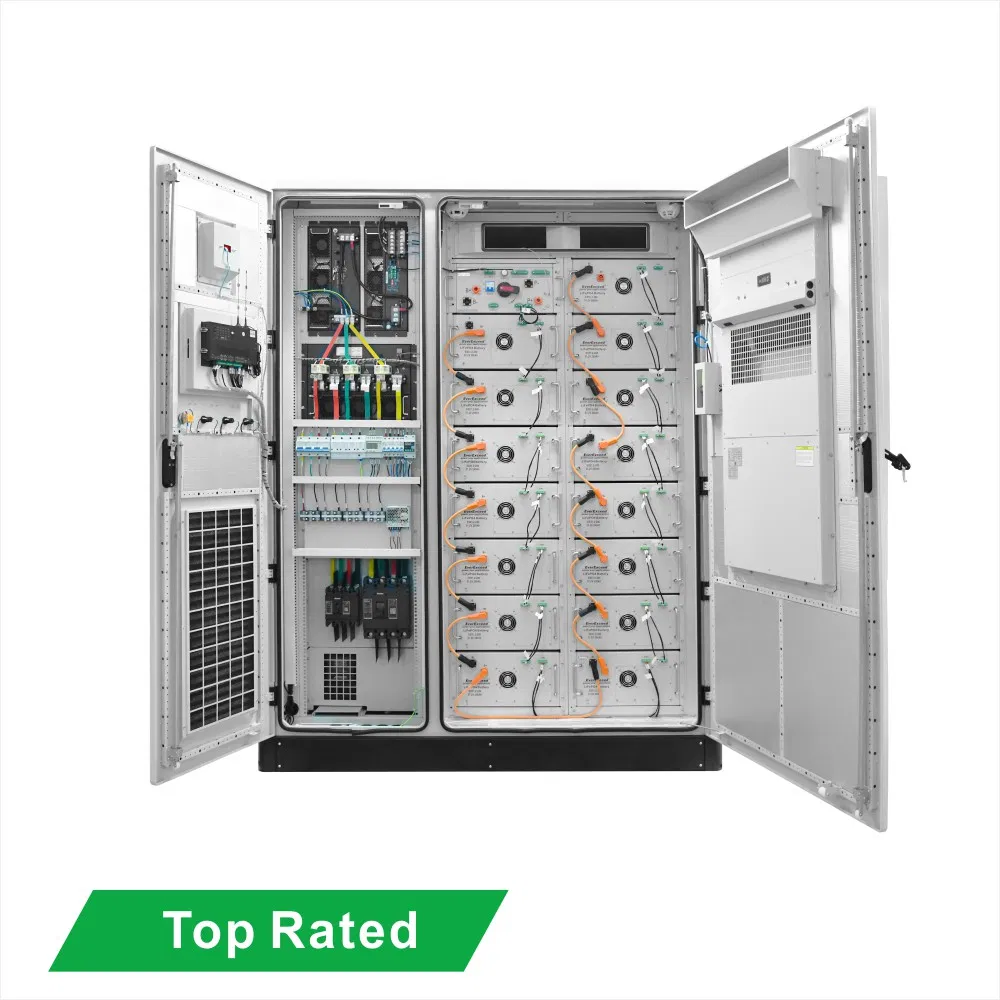
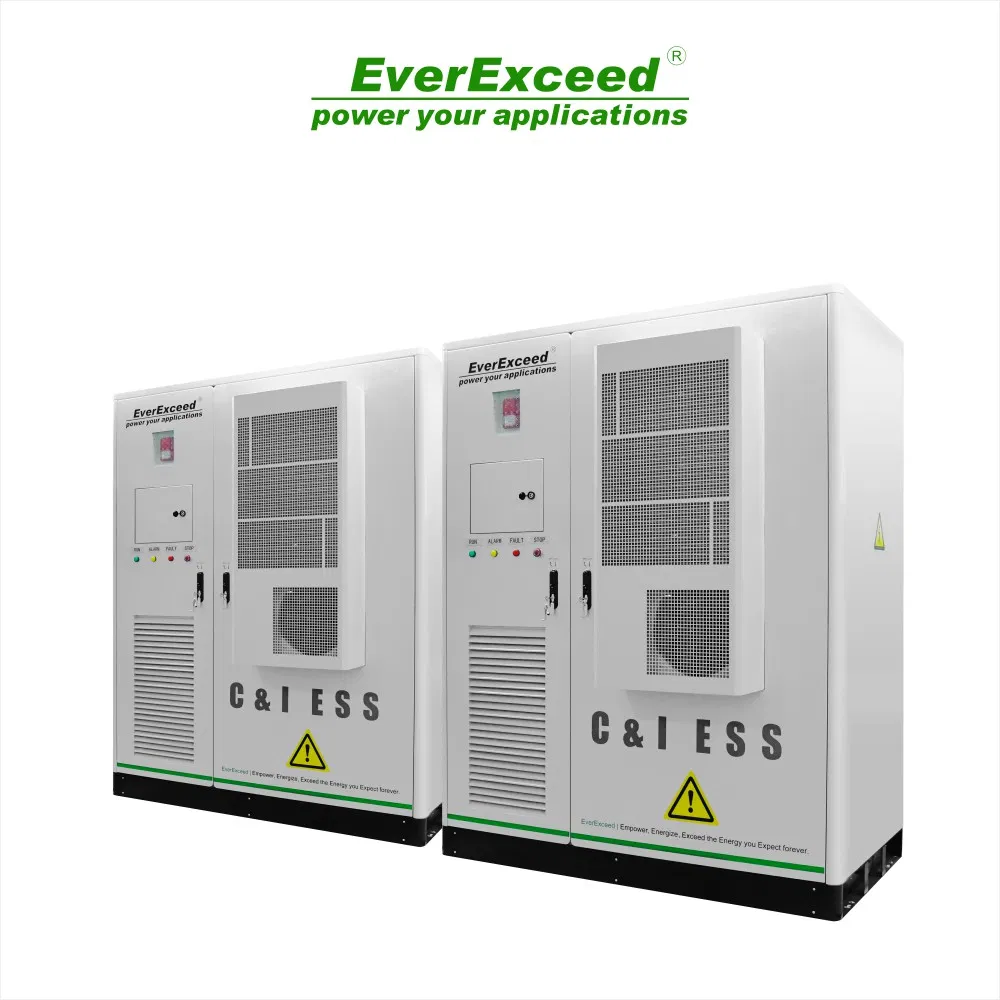
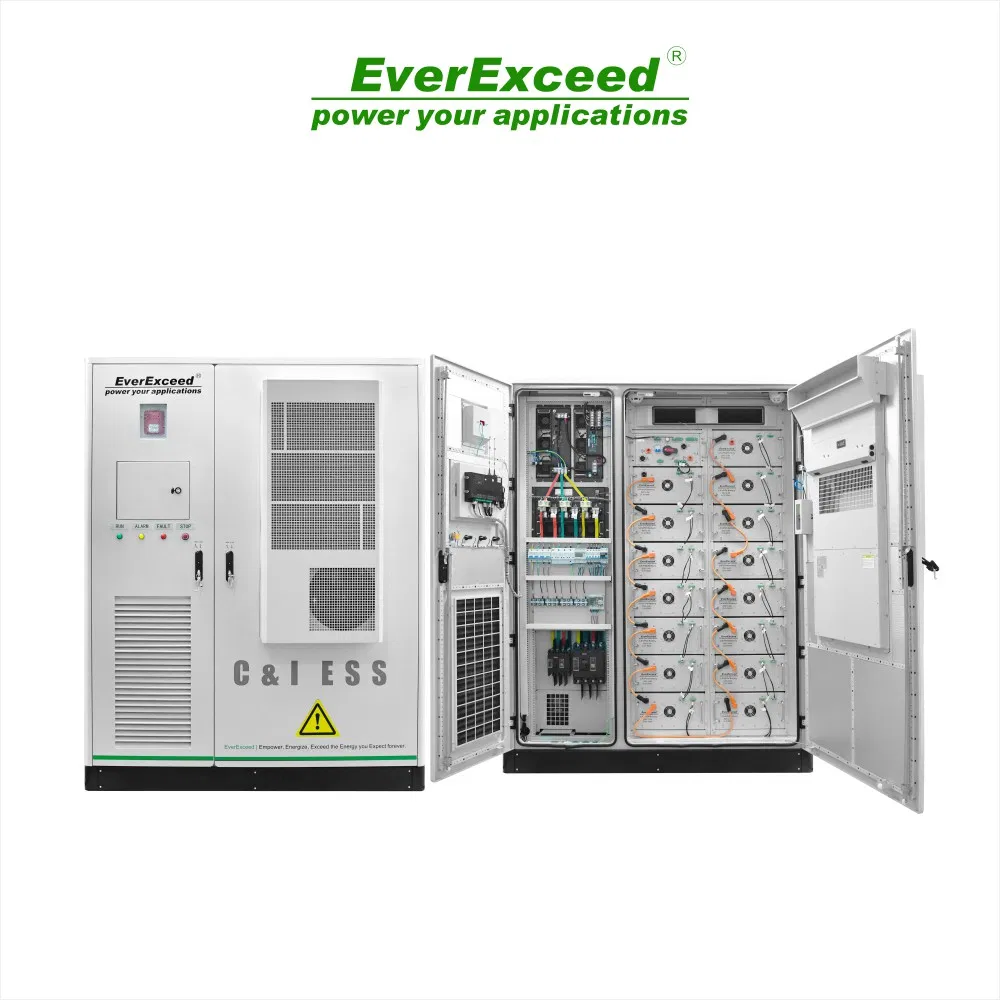
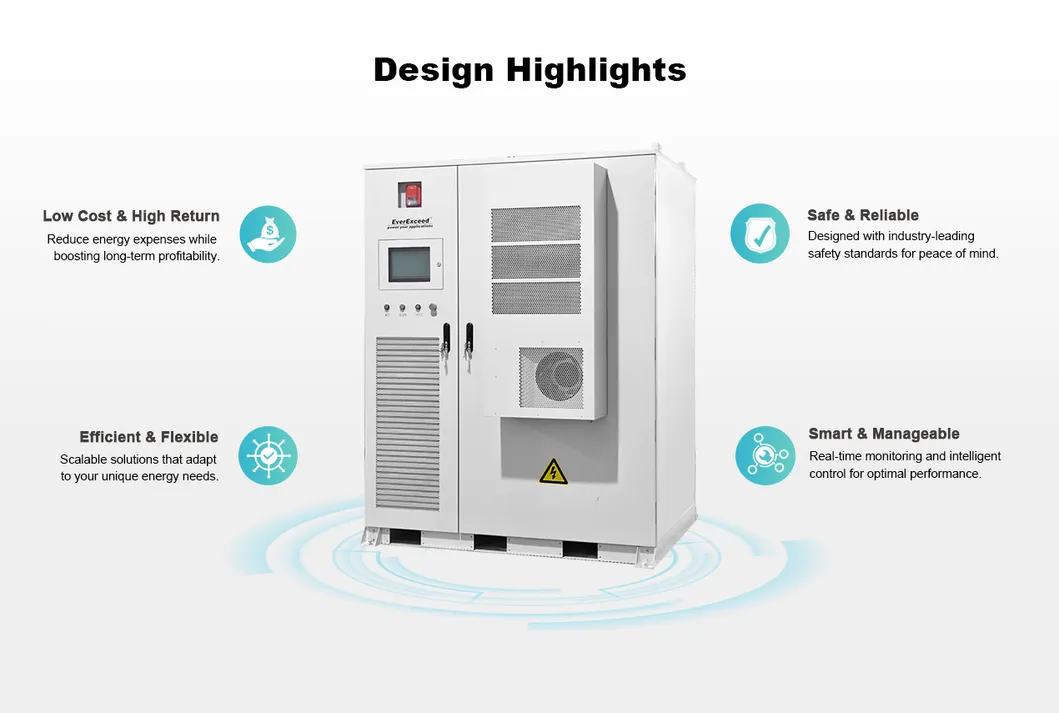
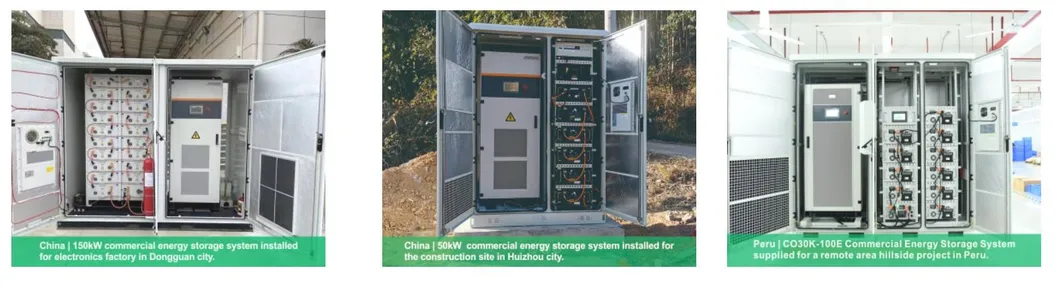
The All-in-one Industrial & Commercial ESS highly integrates PCS, LiFePO4 batteries, BMS, EMS, fire-fighting system, and heat dissipation system in a single cabinet. It is a high-power backup power solution serving commercial, industrial, and grid-level customers. This high voltage energy storage system enables the highest flexibility for both rack-mounted and cabinet-based constructions.
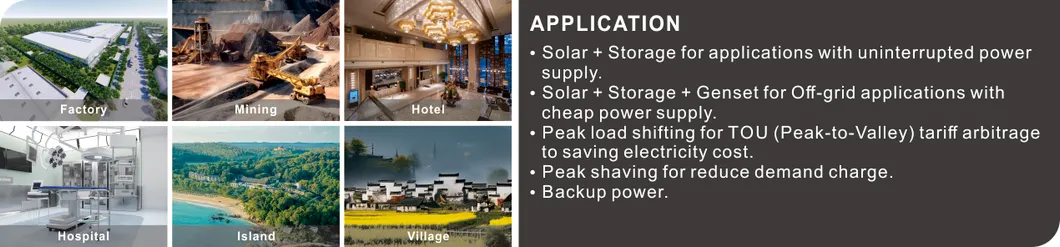
Designed to be "Safer, Smarter, and Simpler," it is suitable for solving power challenges in substations, outdoor areas, microgrids, factories, shopping malls, and solar storage charging stations.
Compatible with various operation environments and battery types including lead-acid and lithium-ion.
Supports off-grid cold start and multi-machine parallel functions for expansion.
Includes overcharge, over-discharge, overload, short-circuit, and temperature protection.
AC and DC dual power backup ensures continuous operation of the control system.
Achieves peak efficiency of up to 97.5% with high power density design.
Flexible communication via RS485 and CAN, accepting BMS commands in real time.
| Product Model | CO30K-50E | CO50K-100E | CO100K-215E | CO150K-300E |
|---|---|---|---|---|
| Electrical Parameters | ||||
| Nominal AC Power | 30 kW | 50 kW | 100 kW | 150 kW |
| Nominal Grid Voltage | 400 Vac | |||
| Rated AC Output Current | 43.5 A | 72 A | 152 A | 200 A |
| Battery Parameters | ||||
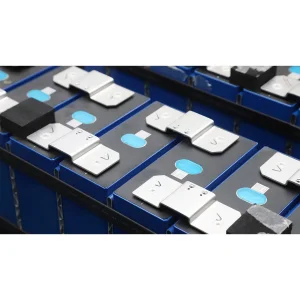
| Chemistry | Lithium Iron Phosphate (LFP) | |||
| Energy Capacity | 51.2 kWh | 100 kWh | 215 kWh | 315 kWh |
| Cycle Life | 6000+ | 10000+ | 10000+ | 10000+ |
| Mechanical Parameters | ||||
| Cooling Method | Air-Conditioner | |||
| Protection Degree | IP54 | |||
| Weight | 800 Kg | 1200 Kg | 2400 Kg | *Custom |
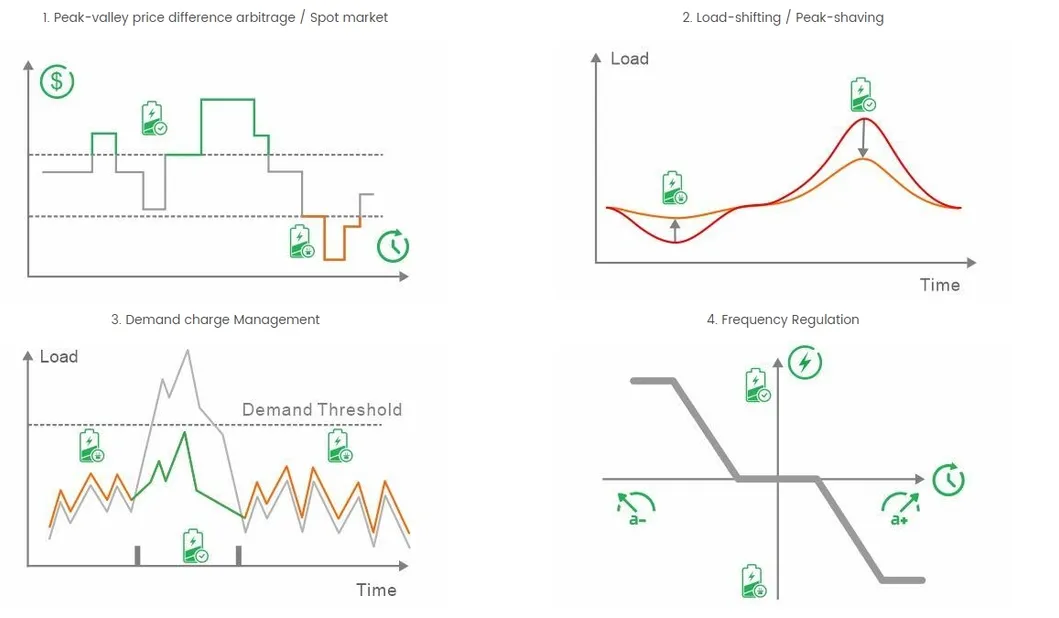
A clean energy solution that stores electrical energy during off-peak hours or from renewable sources (solar/wind) and releases it during peak times. It helps businesses save costs, ensure reliability, and support sustainability.
They function in four stages: Charging (storing grid/renewable energy), Storing (keeping energy as chemical energy), Discharging (converting back to electricity when needed), and Managing (optimizing use via smart EMS).
The primary benefits include significant energy cost savings through load shifting, reduced demand charges, emergency backup power during grid outages, and a lower carbon footprint.
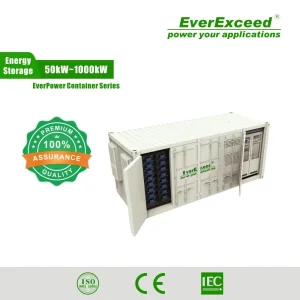
Capacity varies by model, typically ranging from 50kWh for small businesses to several hundred or thousand kWh for large industrial operations, depending on the number of battery modules integrated.
With high-quality Lithium Iron Phosphate (LiFePO4) cells and proper maintenance, these commercial systems typically last between 10 to 20 years, supporting over 6000-10000 charge cycles.
While residential systems take weeks, commercial systems usually require 3-6 months for site preparation, safety checks, licensing, and final grid connection.