Engineered to support heavy commercial loads, agricultural mills, and grid voltage stabilization across Asunción, Ciudad del Este, and the Chaco region.
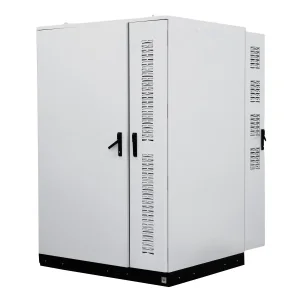
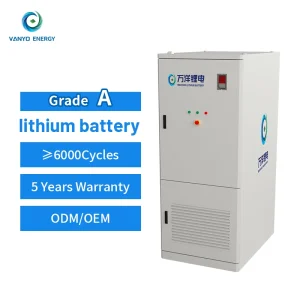
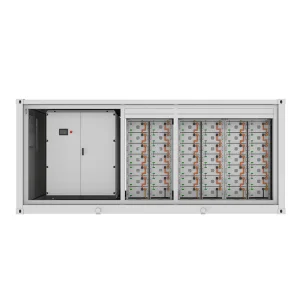
Paraguay possesses a highly distinct electrical profile. Blessed with massive clean electricity resources via the joint ownership of the Itaipu and Yacyretá Hydroelectric Dams, the nation generates an abundance of green power. However, local commercial and industrial (C&I) operations frequently face severe grid bottlenecks. Power quality and reliability remain key challenges, particularly in regions experiencing high economic expansion like Central, Alto Paraná, and the remote Gran Chaco.
During peak summer periods, high temperatures put immense strain on the aging transmission and distribution infrastructure of the Administración Nacional de Electricidad (ANDE). As a result, voltage sags, power surges, and unscheduled blackouts can halt industrial production lines, harm machinery, and lead to substantial revenue losses. In rural and agricultural settings, relying solely on grid power is either financially prohibitive or structurally impossible.
This is where Battery Energy Storage Systems (BESS) become essential. By capturing excess generation, providing clean backup power, and smoothing out grid fluctuations, commercial energy storage enables local businesses to secure operational resilience, eliminate downtime, and support sustainable growth.
From agricultural processing to heavy manufacturing, explore how smart battery configurations provide localized value.
Grain silos, meat refrigeration units, and soy processing plants in Alto Paraná require constant power. Our containers prevent temperature variations in refrigerated storage during grid anomalies, safeguarding high-value exports.
For assembly operations near Ciudad del Este, voltage drops mean costly reboots. A centralized commercial UPS BESS system provides sub-millisecond UPS protection, filtering out sags and maintaining factory uptime.
Off-grid ranches and remote communities use LFP containers to store daily solar energy, minimizing dependence on costly diesel fuel and simplifying logistics in hard-to-reach locations.
LFP Cell Cycle Life
Years Expected Service Life
Automatic UPS Transfer Time
Direct Heavy Metal Emissions
Summer temperatures in Paraguay regularly exceed 40°C. Standard lithium-ion batteries lose efficiency and degrade quickly under these conditions.
Our energy storage systems feature advanced industrial liquid cooling or specialized forced-air cooling. By keeping cell temperature variations under 3°C, the system improves overall service life and safety.
Integrating multi-tier Battery Management Systems (BMS) ensures immediate isolation in the event of thermal anomalies.
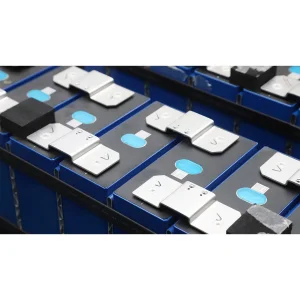
Safety remains the primary consideration for C&I battery storage. We construct our systems exclusively using premium Lithium Iron Phosphate (LiFePO4) cell chemistry. LFP is recognized for its thermal stability, high ignition threshold, and lack of oxygen release during degradation—features that set it apart from alternative NMC chemistry.
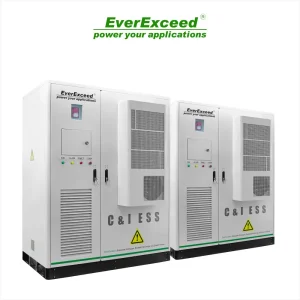
Our utility-scale and C&I BESS containers conform to recognized international safety and performance criteria, including UN38.3, IEC 62619, CE, and UL 9540A.
Each enclosure is built with built-in multi-level fire suppression systems (utilizing Aerosol or Novec 1230 gas agents), smoke and combustible gas detection, and automated venting. This design provides reliable safety and protection for commercial, school, and factory installations alike.
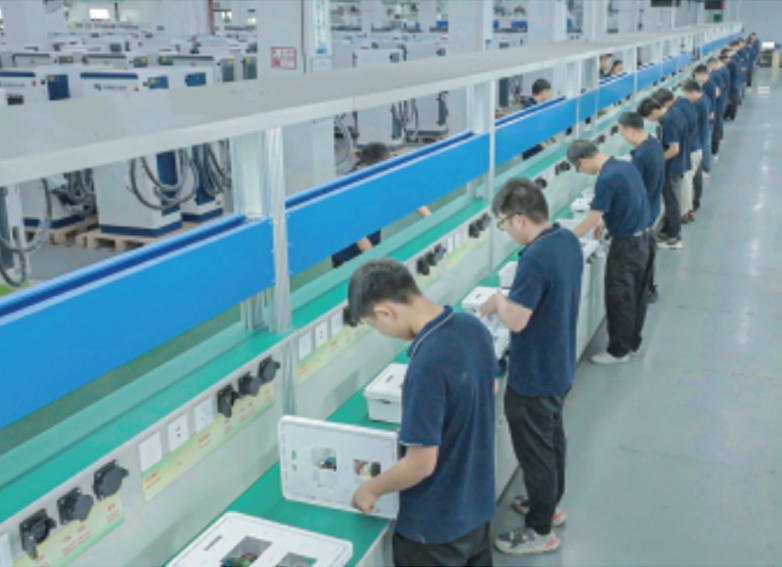
Partnering with Hangzhou HK Charger Co., Ltd. combines advanced Chinese manufacturing capabilities with dependable local support in Paraguay.
Hangzhou HK Charger Co., Ltd. is a leading manufacturer specializing in home, commercial, and industrial energy storage solutions.
We deliver reliable systems for renewable integration, load balancing, and intelligent energy management. The company focuses on providing reliable, efficient, and scalable energy storage products to meet the growing demand for clean, sustainable power.
HK Charger’s portfolio includes centralized and distributed storage systems, mobile and modular battery units, and hybrid solutions that seamlessly integrate with solar, wind, and other renewable energy sources. Each system is designed with smart monitoring, real-time performance tracking, and advanced load balancing capabilities, ensuring optimal energy efficiency, cost savings, and grid stability across various applications.
Committed to sustainability and technological innovation, Hangzhou HK Charger emphasizes intelligent energy management features, including remote monitoring, predictive maintenance, and scalable modular design. These solutions enable homeowners, businesses, and industrial operators to optimize energy usage, reduce peak demand charges, and maintain reliable power supply even in off-grid scenarios. With strict adherence to international quality and safety standards, continuous R&D investment, and a customer-focused approach, Hangzhou HK Charger Co., Ltd. has established itself as a trusted China manufacturer in the energy storage industry.
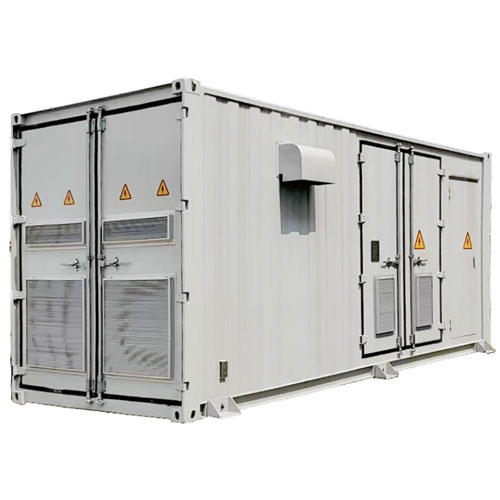
Explore our diverse lineup, designed to handle power needs ranging from 25 kWh to multi-megawatt configurations.
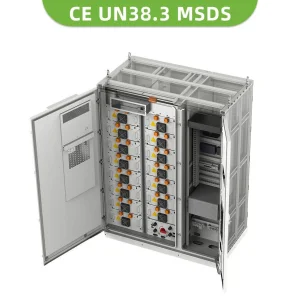
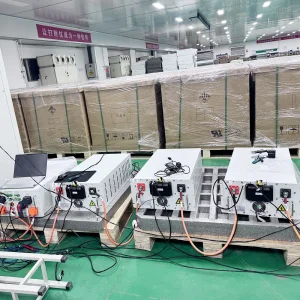
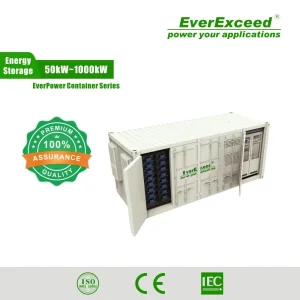
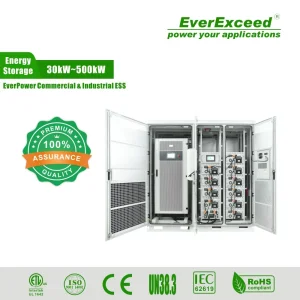
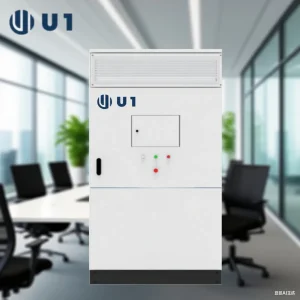
Technical information for project developers, engineers, and procurement managers in Paraguay.
Whether you require a grid-interactive container for a factory or an off-grid system for agricultural operations, our engineering team can design a solution customized for your needs.
Request Configuration & Layout Design HK Charger